
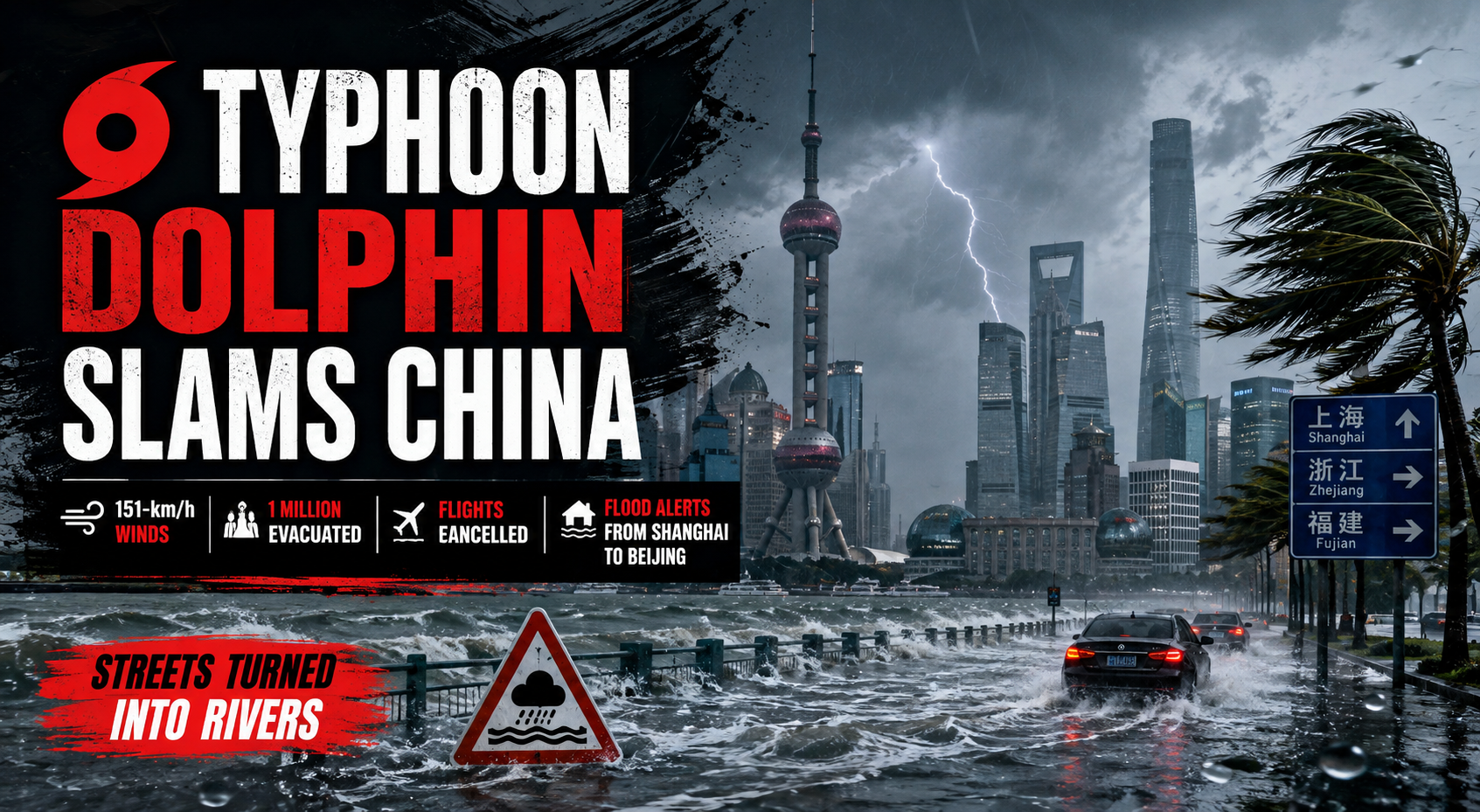
Streets Turned Into Rivers, Millions Evacuated
China’s eastern provinces have been battered by Typhoon Dolphin, a monster storm that transformed bustling cities into waterlogged disaster zones. Roads in Shanghai and nearby regions resembled raging rivers, forcing authorities to evacuate over 1 million residents from vulnerable areas.
The Path of Destruction
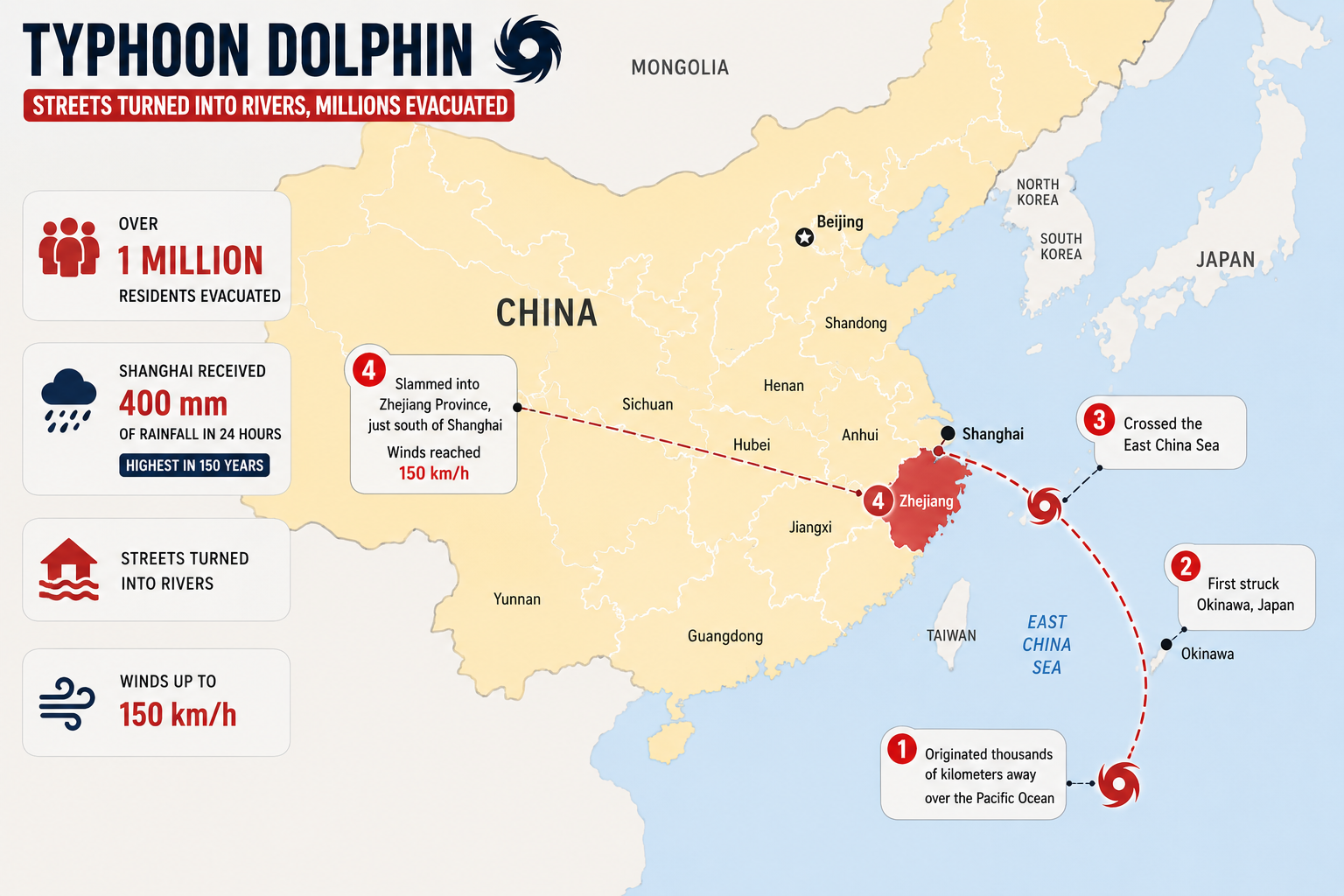
Originating thousands of kilometers away, Dolphin first struck Okinawa, Japan, before crossing the East China Sea.
It slammed into Zhejiang province, just south of Shanghai, with winds reaching 150 km/h.
Shanghai alone witnessed 400 mm of rainfall in 24 hours, the highest in 150 years, crippling drainage systems and triggering urban flooding.
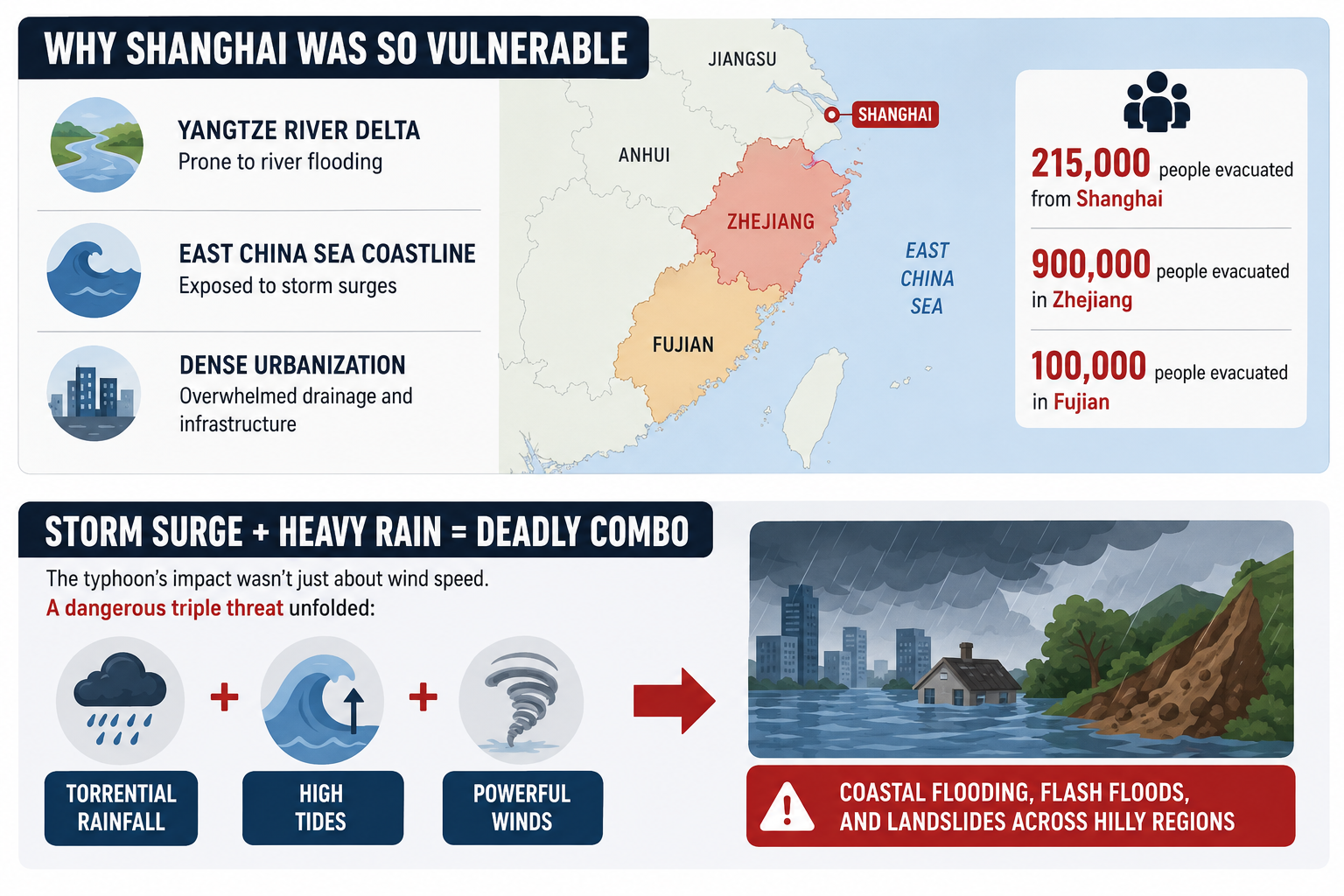
Why Shanghai Was So Vulnerable
Shanghai’s geography made it a perfect storm target:
Yangtze River Delta → prone to river flooding.
East China Sea coastline → exposed to storm surges.
Dense urbanization → overwhelmed drainage and infrastructure.
No wonder 215,000 people were evacuated from Shanghai, while 900,000 in Zhejiang and 100,000 in Fujian were relocated.
Storm Surge + Heavy Rain = Deadly Combo
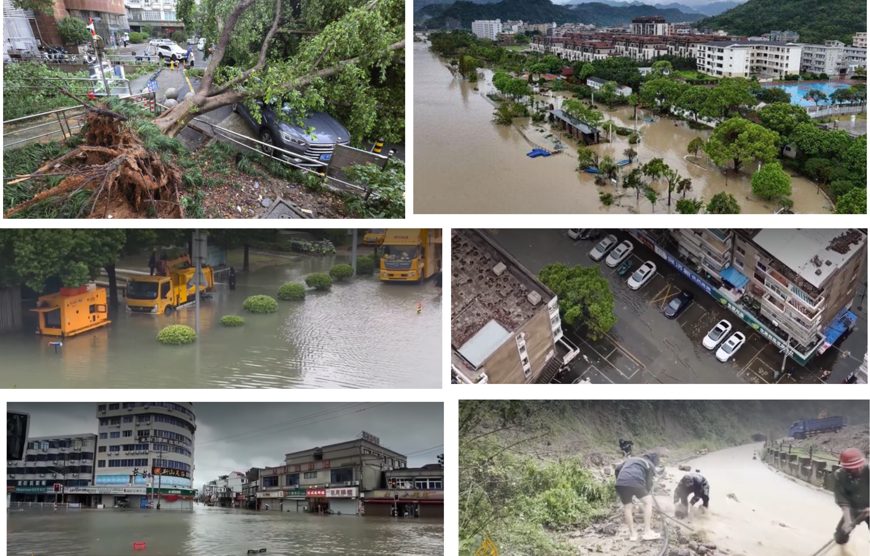
The typhoon’s impact wasn’t just about wind speed. A dangerous triple threat unfolded:
Torrential rainfall 🌧
High tides 🌊
Powerful winds 🌪
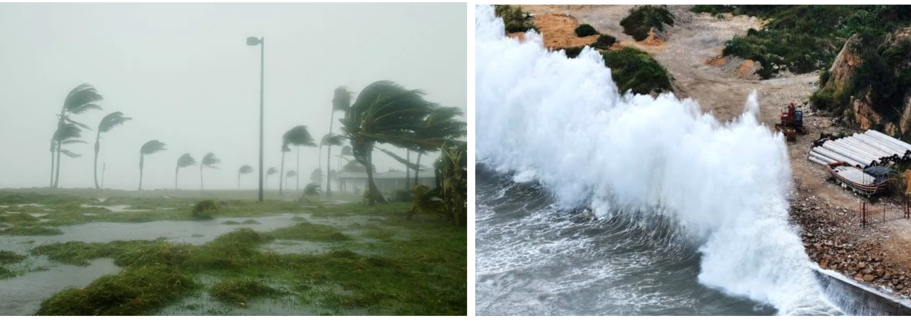
Together, they fueled coastal flooding, flash floods, and landslides across hilly regions.
Typhoon vs Cyclone vs Hurricane
All three are tropical cyclones, the difference lies in geography:
Hurricane → Atlantic & Eastern Pacific (near the Americas).
Typhoon → Western Pacific (China, Japan, Philippines).
Cyclone → Indian Ocean & South Pacific (India, Australia).
🌊 Why the Western Pacific is a Typhoon Hotspot
The Western Pacific isn’t just another ocean basin; it’s the world’s most active breeding ground for tropical cyclones. Here’s why storms here are so frequent and ferocious:
Super‑heated seas act like giant energy reservoirs, fueling cyclones with immense power.
Moisture‑rich skies provide the raw material for torrential rains.
Vast stretches of warm water give storms plenty of room to grow and intensify.
Favorable wind circulation patterns help organize and sustain these systems.
Coriolis force away from the Equator ensures storms can spin into full‑blown typhoons.
That’s why nations like the Philippines, Taiwan, Japan, and eastern China repeatedly find themselves in the path of devastating storms.
Storm Insight: The Western Pacific’s unique geography and climate make it a natural cyclone factory, and with warming oceans, the risks are only climbing higher.
🌍 Climate Change Connection: Fueling the Storms of Tomorrow
🔥 Oceans as Energy Engines
When seas warm beyond their natural balance, they become powerhouses feeding cyclones. Extra ocean heat acts like jet fuel, driving storms to grow stronger and more destructive.
💧 Moisture‑Loaded Atmosphere
A warmer atmosphere holds more water vapour. The result? Torrential downpours that can overwhelm cities in hours, turning streets into rivers and amplifying flood risks.
🌊 Rising Seas, Rising Threats
Even without record‑breaking winds, higher sea levels intensify storm surges. Coastal defenses crumble faster, and communities face flooding that reaches deeper inland than ever before.
⚡ It’s Not Just “More Storms”
Climate change doesn’t simply mean an increase in the number of typhoons. The real danger lies in their intensity, rainfall volume, and flooding potential-storms that arrive fiercer, wetter, and harder to withstand.
Ultimate Verdict
Climate change is rewriting the rules of tropical cyclones. The storms of the future may not come more often, but when they do, they’ll strike harder, leaving cities scrambling to adapt.
Typhoon Dolphin is a chilling reminder of how fragile even the most advanced cities are against nature’s fury. With climate change amplifying storm intensity, preparedness is no longer optional; it’s survival.
Stay alert, support resilience, and spread awareness - the next storm may strike sooner than we think.
Written by
Devansh KaulDiscussion (0)
Sign in to join the discussion.
Loading comments…