
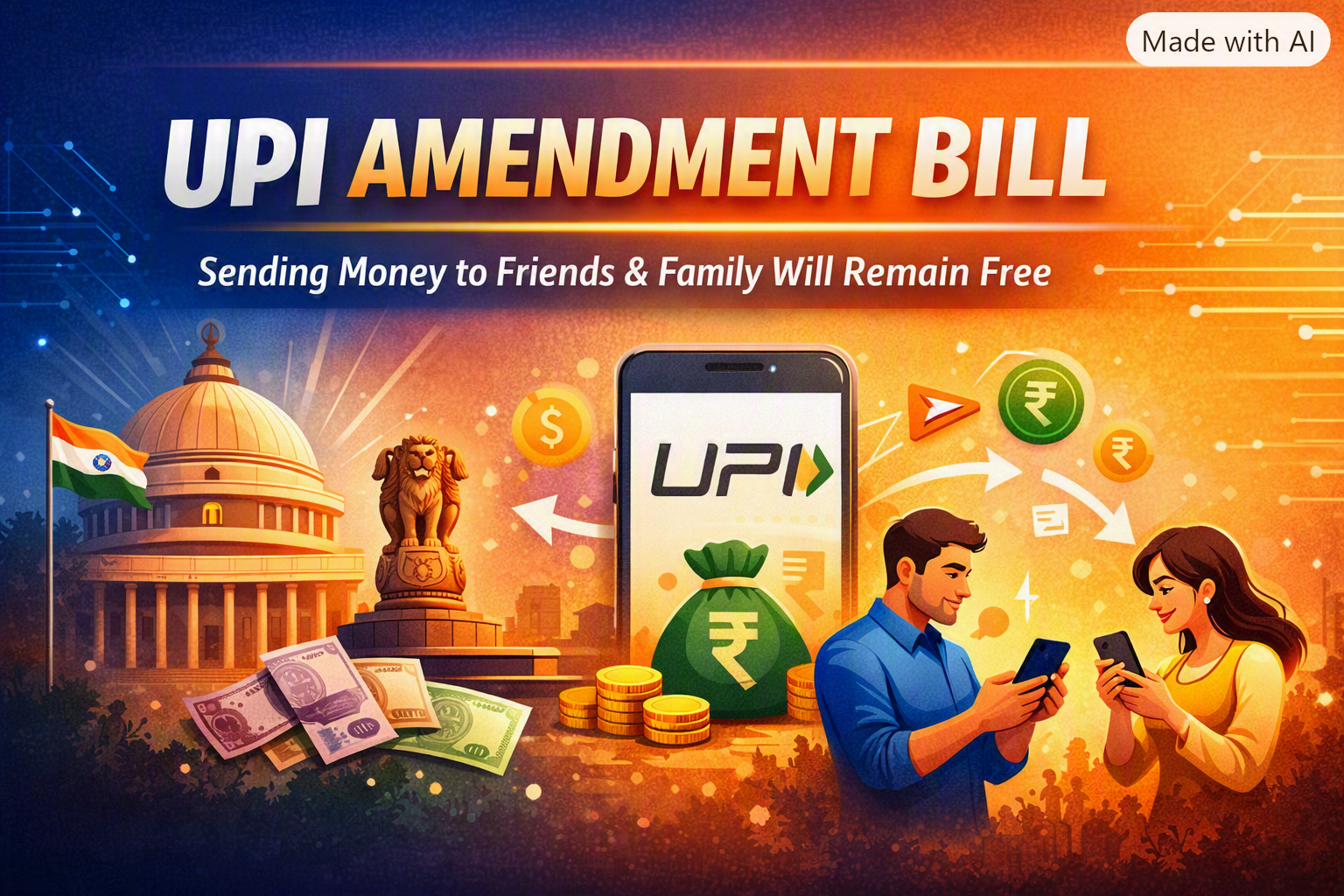
From “Zero Cost” to Possible Fees – What’s Changing?
For years, India’s digital revolution has been powered by UPI’s biggest selling point: free transactions for customers. Whether sending money to a friend, paying a shopkeeper, or scanning a QR code at a street vendor, users never had to worry about hidden costs.
But behind the scenes, the system was never truly free. Banks, payment apps like Google Pay and PhonePe, NPCI, and even the government have been footing the bill through subsidies and infrastructure investments.
UPI shattered records in July, clocking ₹29.9 lakh crore across 23.66 billion transactions, a clear sign of India’s unstoppable digital payments surge; the question of sustainability has become unavoidable.
🏛️ Lok Sabha Clears Path for UPI Charges
Legal Roadblock Removed
In a significant move, the Lok Sabha on Thursday passed an amendment to the Payment and Settlement Systems Act, 2007, setting the stage for possible Merchant Discount Rate (MDR) charges on UPI transactions.
What the Amendment Means
The new provision grants the government the authority to enable banks and payment service providers to levy fees on UPI and other electronic payment modes that may be notified in the future. Now, with amendments proposed to the Payment and Settlement Systems Act, 2007, the government is preparing to give itself the legal flexibility to decide:
Which transactions will carry a Merchant Discount Rate (MDR)?
Which merchants or transaction sizes will remain exempt?
How costs will be distributed across banks, apps, and businesses?
Passed Amid Disruptions
Interestingly, the Bill was cleared without debate, despite repeated disruptions in the House. With this change, the earlier legal barrier that prevented banks and payment providers from collecting MDR on notified payment systems has now been removed.
⚖️ RBI Holds Fire on UPI Charges
Too Soon to Call MDR’s Return
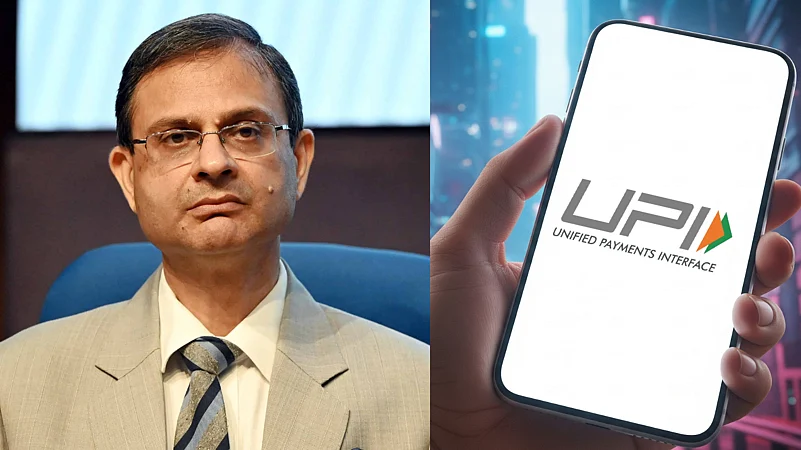
Reserve Bank of India Governor Sanjay Malhotra has poured cold water on speculation that UPI transactions will soon attract a Merchant Discount Rate (MDR). Speaking after the latest Monetary Policy Committee (MPC) meeting, he stressed that it is premature to conclude while discussions on the Payment and Settlement Systems (Amendment) Bill, 2026 are still in progress.
Focus: Building Stronger Digital Rails
Malhotra made it clear that the RBI’s immediate priority is strengthening India’s digital payments backbone, not deciding who foots the bill. “Costs have to be borne by someone,” he noted, adding that the central bank’s mission is to ensure the public infrastructure continues to expand and operate more efficiently.
What Exactly Is MDR?
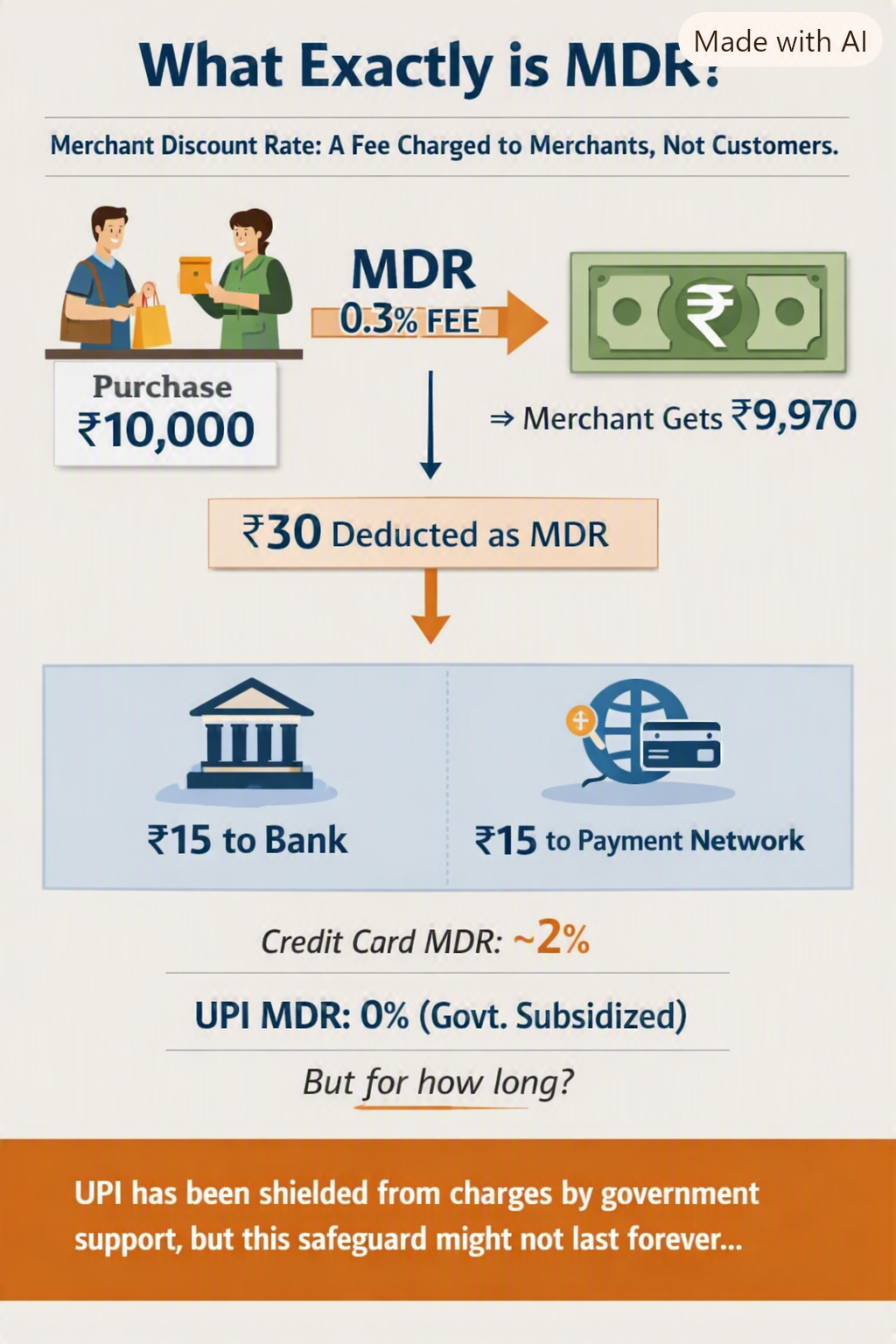
The Merchant Discount Rate is a fee charged to merchants, not customers. For example:
If you buy goods worth ₹10,000 and MDR is 0.3%, the shopkeeper receives only ₹9,970.
The remaining ₹30 is split between banks and payment networks.
While credit card MDRs often hover around 2%, UPI has so far been shielded from such charges thanks to government subsidies. That protection may not last forever.
Who Will Be Affected?
Small merchants & local shops: Likely to remain exempt, especially for transactions below ₹2000.
Peer‑to‑peer transfers: Sending money to friends or family will remain free.
Large retailers & high‑value transactions: These may face MDR charges, as big businesses are better positioned to absorb costs.
Why This Matters?
UPI’s success story rests on its instant, universal, and free access. Introducing charges could reshape consumer behaviour, merchant acceptance, and the pace of India’s digital payments growth. At the same time, it may be the only way to ensure long‑term sustainability for banks and payment providers investing billions in infrastructure.
No Immediate Impact for Users
UPI Still Free – For Now
For everyday consumers, nothing changes at this moment. UPI transactions remain free of charge, whether you’re sending money to a friend or paying a merchant.
Any shift towards fees would require formal policy approval and the rollout of detailed regulatory guidelines before it could ever touch your wallet. Until then, India’s most popular digital payment system will continue to operate exactly as it has - instant, seamless, and free for users.
The Debate That Won’t Go Away
The proposed amendments have reignited debate over whether the government might eventually reintroduce MDR on high‑value UPI merchant transactions. While no decision has been taken, the possibility of charges on payments above certain thresholds has kept industry watchers and consumers on edge.
India’s digital payments ecosystem is evolving. Will UPI remain the world’s largest free real‑time payment system, or evolve into a paid model for high‑value transactions?
Stay alert as the debate unfolds. The future of UPI may hinge on how policymakers balance consumer convenience with system sustainability.
Would you support a small fee on high‑value transactions if it meant stronger digital infrastructure? Should UPI remain free for all, or is it time for big businesses to pay their share?
Share your perspective and join the conversation!
Written by
Aditya KulshreshthaDiscussion (0)
Sign in to join the discussion.
Loading comments…