
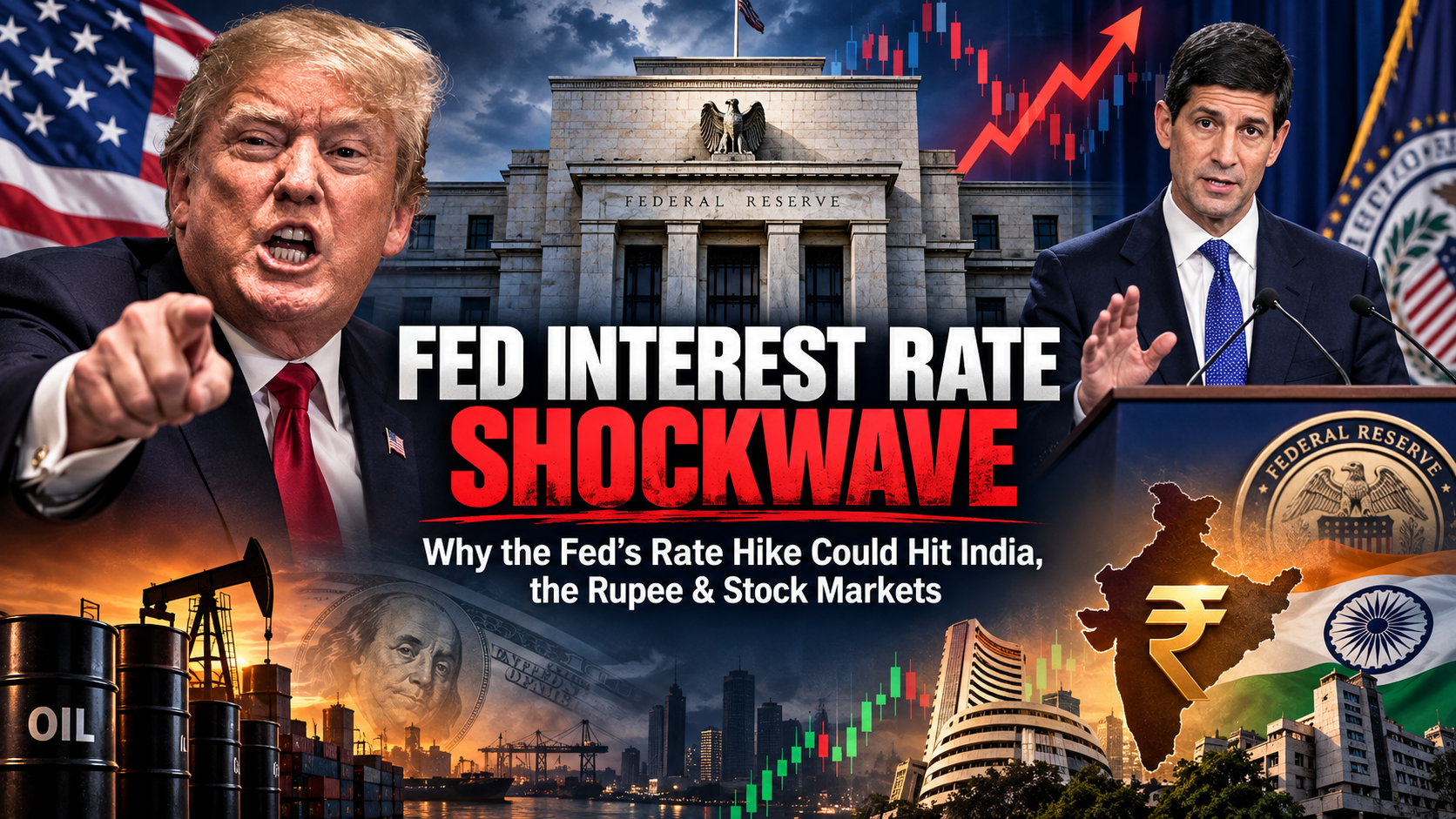
After Three Years of Rate Cuts, the US Federal Reserve Changes Course. What Does It Mean for Inflation, Investors, and the Indian Economy?
The world’s most influential central bank has made a move that is sending ripples across global financial markets. For the first time in three years, the US Federal Reserve (Fed) has raised interest rates by 25 basis points (0.25%), signaling a major shift in America’s economic strategy.
The decision has sparked intense debate worldwide, especially as US President Donald Trump openly opposed the move, arguing that higher interest rates could hurt economic growth. Yet, despite political pressure, the Fed has chosen to prioritize one critical concern: inflation.
But why has the Fed taken this step now? And more importantly, why should countries like India care?
Let's break it down.
The Big Decision: What Exactly Did the Fed Do?
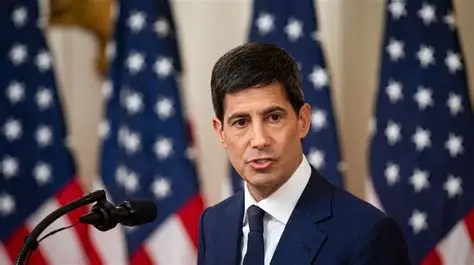
The US Federal Reserve raised its benchmark interest rate by 25 basis points, moving the range from 3.50%- 3.75% to 3.75%- 4.00%.
While a quarter-percentage-point hike may seem small, such decisions have far-reaching consequences. Interest rates influence everything from mortgages and business loans to stock markets and currency values.
What makes this move even more significant is that it marks the first-rate hike since 2023, ending a prolonged period of monetary easing.
In a unanimous 12-0 vote, all members of the Federal Open Market Committee (FOMC) backed the rate hike, making it the first major policy decision under newly appointed Fed Chair Kevin Warsh. The outcome reflects a strong consensus among policymakers that inflation remains a serious challenge requiring immediate attention.
Why Is the Fed Raising Rates Again?
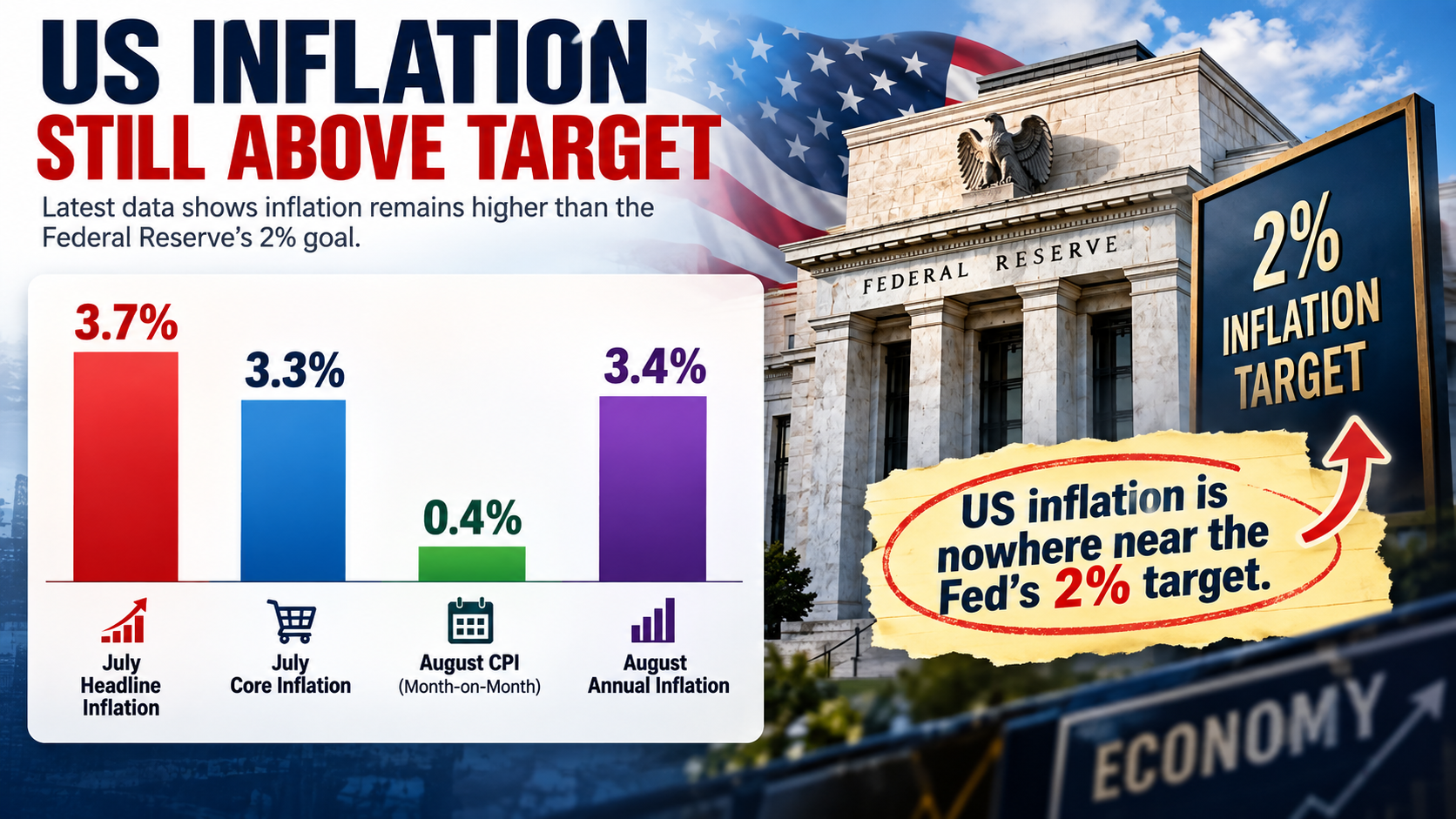
Inflation Has Become the Biggest Concern.
The primary reason behind the rate hike is simple: inflation is running hotter than desired.
The Federal Reserve aims to keep inflation around 2%, but recent figures have remained significantly above that target. When prices rise rapidly across the economy, consumers lose purchasing power and businesses face higher operating costs. To prevent inflation from becoming entrenched, central banks often raise interest rates.
Higher rates make borrowing more expensive, which reduces spending and demand across the economy. As demand cools, inflationary pressure tends to ease.
In short:
1. Loans become costlier.
2. Consumers spend less.
3. Businesses borrow less.
4. Demand moderates.
5. Inflation gradually cools down.
This is the classic monetary policy playbook.
The Oil Price Problem Driving Inflation
One of the largest contributors to inflation concerns is the sharp rise in global energy prices. Ongoing geopolitical tensions, conflicts affecting energy infrastructure, and disruptions in oil-producing regions have pushed crude oil prices upward. Whenever oil becomes expensive, the impact is felt far beyond fuel stations.
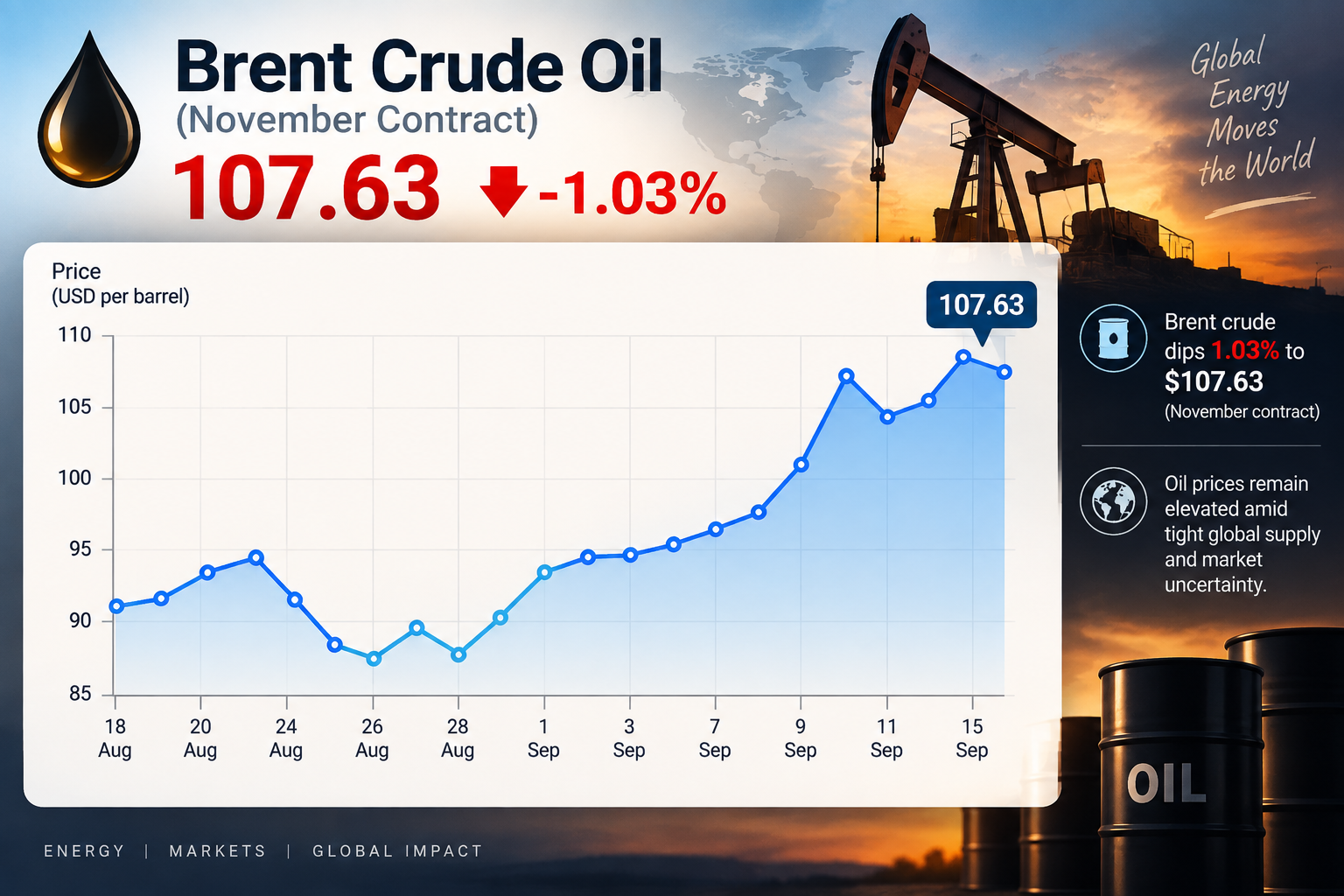
Higher crude oil prices increase costs for:
1. Transportation
2. Logistics
3. Aviation
4. Manufacturing
5. Supply chains
6. Consumer goods
This phenomenon is known as cost-push inflation, where rising production costs force businesses to pass those expenses on to consumers.
If crude oil jumps from $70-$80 per barrel to above $110 or even $120, inflationary pressure could intensify significantly across the global economy.
The Economic Paradox: Interest Rates Can't Produce More Oil
Interestingly, raising interest rates does not solve an oil shortage.
So why did the Fed act? The answer lies in preventing what economists call the "second-round effect."
Here's how it works: Higher Oil Prices → Higher Production Costs → Costlier Goods → Wage Demands Rise → Business Costs Increase → Prices Rise Again → Economy-Wide Inflation Surges 🚨
This creates a dangerous inflation cycle. The Fed's strategy is to stop this cycle before it gains momentum. By tightening monetary conditions now, policymakers hope to prevent inflation expectations from becoming deeply embedded.
Why the Fed Has More Room to Act
A major reason the Fed could afford to raise rates is that the US economy remains relatively stable. Economic growth continues at a moderate pace, while unemployment remains under control. For a developed economy like the United States, growth of around 2-3% is generally considered healthy.
If the economy were already sliding toward recession, raising rates would be much riskier because it could further suppress growth. This time, however, policymakers appear confident that the economy can absorb slightly higher borrowing costs without triggering major economic damage.
Trump vs. The Federal Reserve: A Political Clash
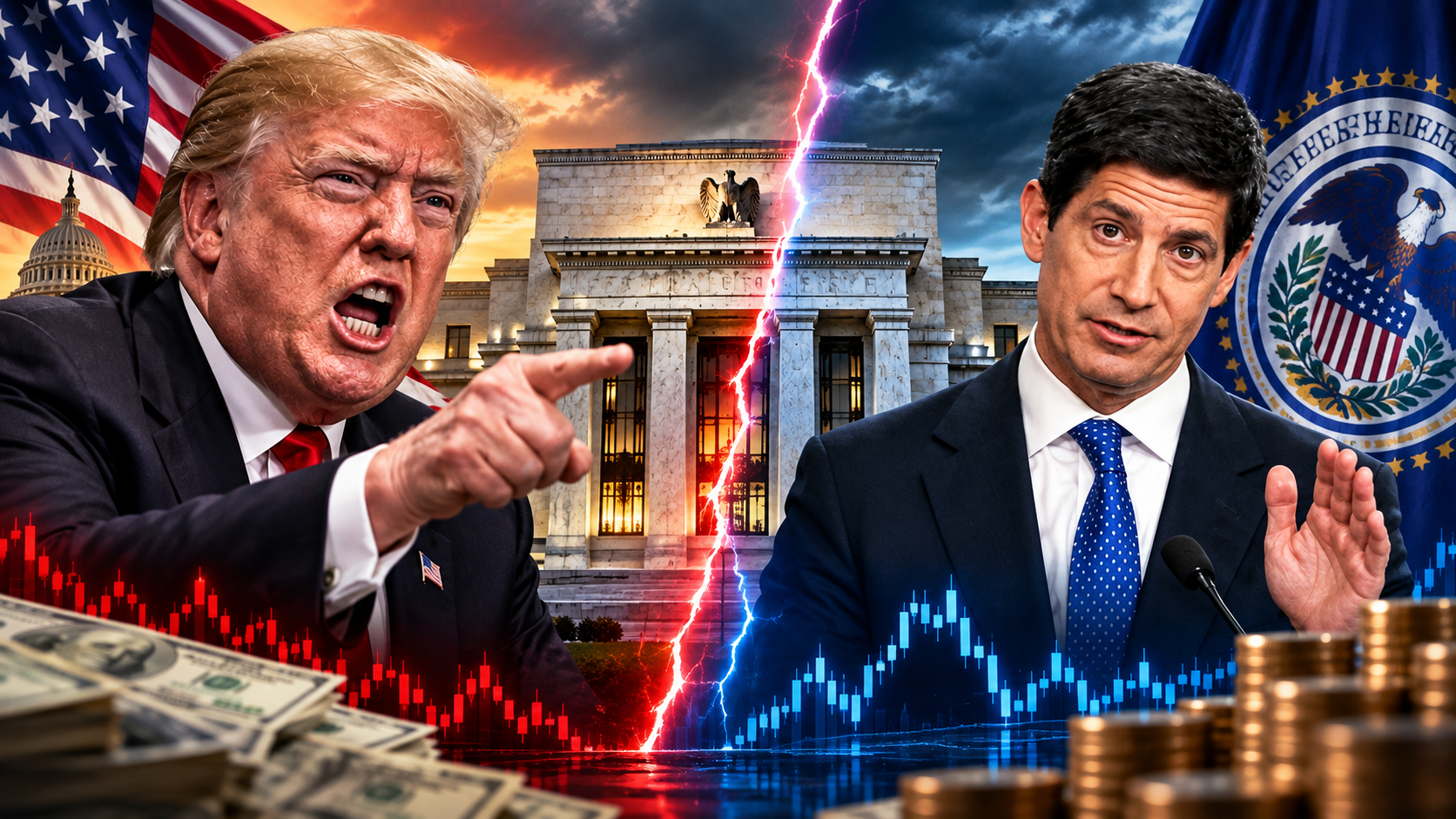
The rate hike has also reignited the long-standing debate over central bank independence. Donald Trump strongly opposed tighter monetary policy, arguing that lower rates help consumers borrow cheaply, support spending, and boost economic growth.
But central banks are not designed to serve short-term political objectives. Their primary responsibility is maintaining:
1. Price stability
2. Financial stability
3. Sustainable economic growth
Governments often prefer lower interest rates because they encourage spending and stimulate economic activity. Central banks, however, must focus on long-term economic health even when their decisions are politically unpopular.
The current disagreement once again highlights why independent central banks are considered crucial for maintaining investor confidence and economic credibility.
Immediate Impact on Americans
For American households and businesses, the consequences are straightforward. Borrowing Will Become More Expensive. Consumers may face higher costs for:
1. Credit card debt
2. Auto loans
3. Home mortgages
4. Business financing
As borrowing costs increase, spending may slow down across the economy.
Stock Markets Could Face Pressure
Investors generally dislike rate hikes because higher interest rates reduce liquidity and can lower corporate profitability.
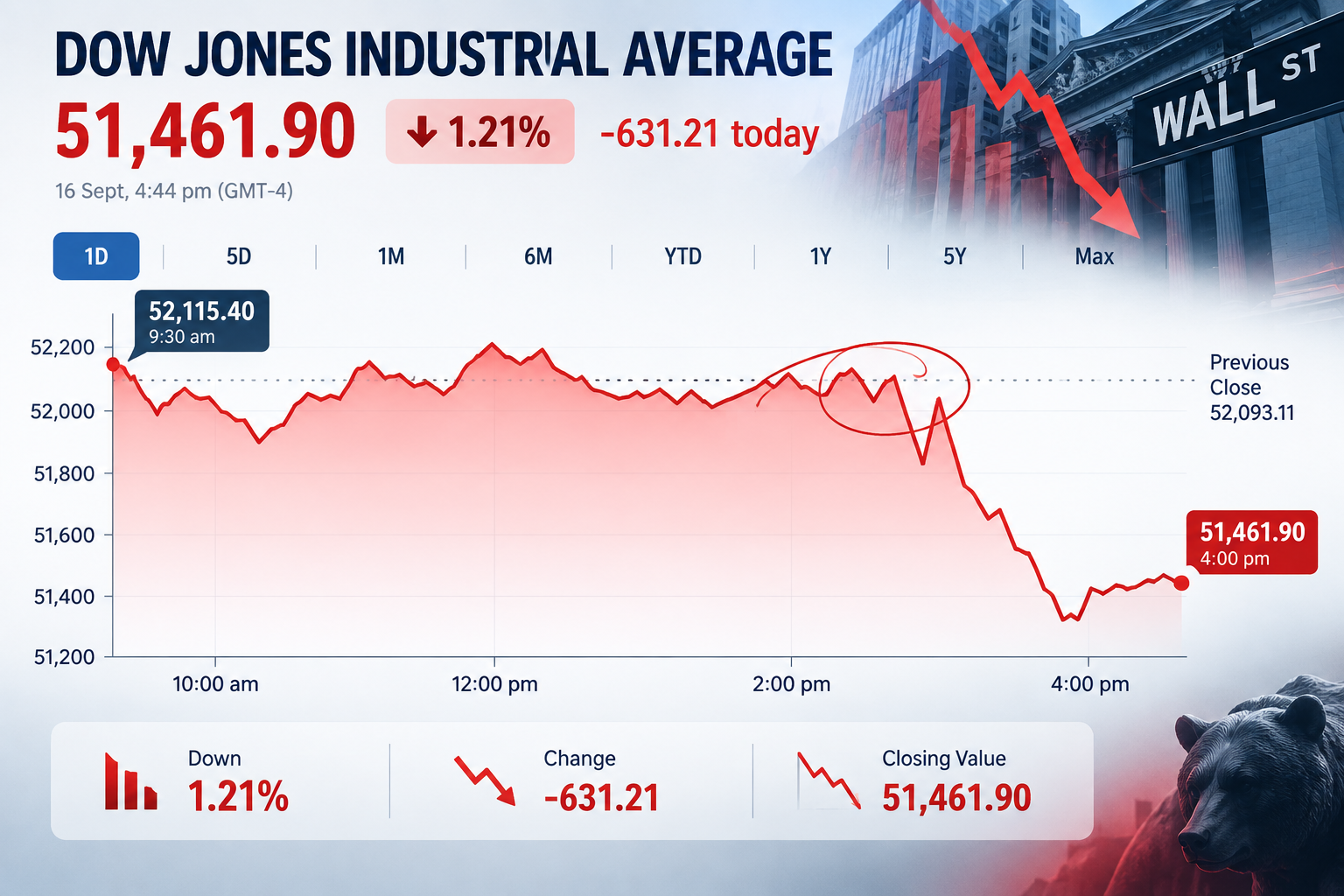
Following the Fed's announcement, major US stock indices experienced noticeable declines as markets adjusted to the new interest rate environment.
Why India Should Pay Close Attention
The Fed's decisions rarely stay within American borders. Because the US dollar remains the world's dominant reserve currency, changes in US interest rates often influence global capital flows.
Foreign Investors May Move Money Back to the US
Imagine this scenario:
1. India's interest rate: 5.25%
2. US interest rate: 4.00%
3. Difference: 1.25%
A foreign investor may choose India because the extra 1.25% return compensates for the higher risks associated with investing in an emerging market.
However, if the US raises rates to 4.50% while India remains at 5.25%, the gap shrinks to just 0.75%. With a smaller reward for taking additional risk, investors may find US assets more attractive and shift their money back to America, putting pressure on Indian markets and the rupee.
Potential Pressure on the Indian Rupee
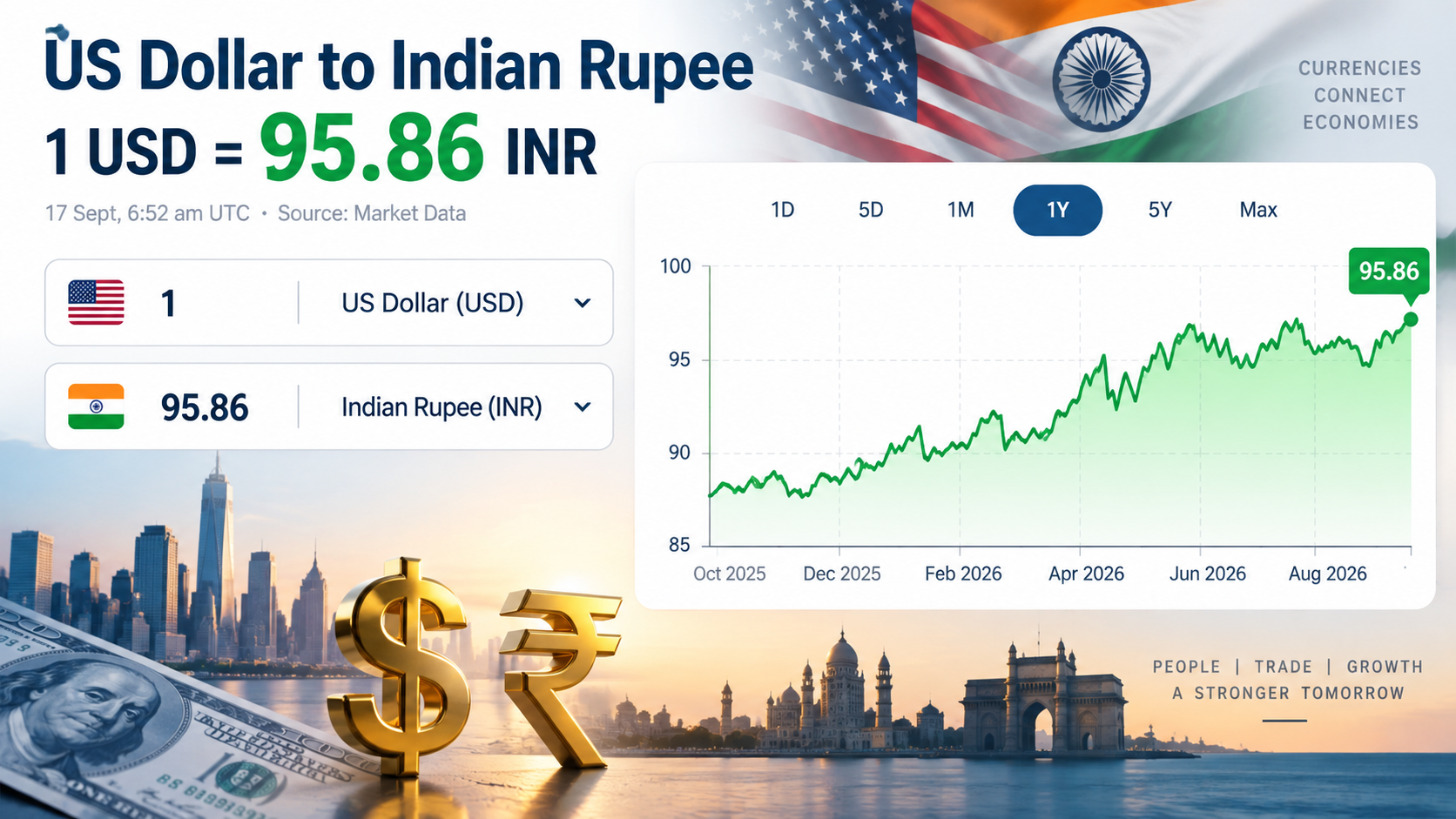
Another major concern is currency depreciation. When foreign investors withdraw capital:
1. Demand for dollars increases.
2. Demand for rupees decreases.
3. The rupee weakens against the dollar.
A weaker rupee creates another challenge: more expensive imports. India imports large quantities of crude oil and pays for those imports primarily in US dollars. If:
1. Oil prices rise globally, and
2. The rupee weakens simultaneously,
India could face a double blow through higher import costs and imported inflation. This is precisely why policymakers closely monitor every major Fed decision.
Will the RBI Respond with a Rate Hike Too?
The Reserve Bank of India (RBI) is under no automatic obligation to follow the Fed. However, the US rate hike does increase pressure on India's policymakers. Before making any decision, the RBI will evaluate:
1. Domestic inflation trends
2. Economic growth prospects
3. Consumer demand
4. Global market conditions
5. Currency stability
The upcoming Monetary Policy Committee (MPC) meetings will be watched closely by investors looking for clues about India's next move.
The Bottom Line
The Federal Reserve's latest rate hike is much more than a routine policy adjustment. It represents a renewed battle against inflation, growing concerns over rising energy costs, and an effort to protect long-term economic stability.
For the United States, it means tighter financial conditions and a likely slowdown in borrowing. For the world, it may reshape capital flows, currency movements, and investor sentiment.
And for India, the decision serves as a reminder that what happens on Wall Street and in Washington can quickly influence markets, inflation, and economic policy in New Delhi.
The global economy is entering a critical phase, and the Fed's latest move could be just the beginning of a new monetary tightening cycle.
🚨 What Do You Think?
Will the US Federal Reserve's rate hike successfully tame inflation, or could it trigger fresh economic challenges worldwide?
💬 Share your thoughts in the comments below!
📢 If you enjoyed this analysis, don't forget to share it with fellow investors, economists, and market enthusiasts.
🔔 Follow us for more in-depth insights on global economics, geopolitics, financial markets, and India's evolving economic landscape.
Written by
Samar PrakashDiscussion (0)
Sign in to join the discussion.
Loading comments…