
A Geopolitical Earthquake in 2026
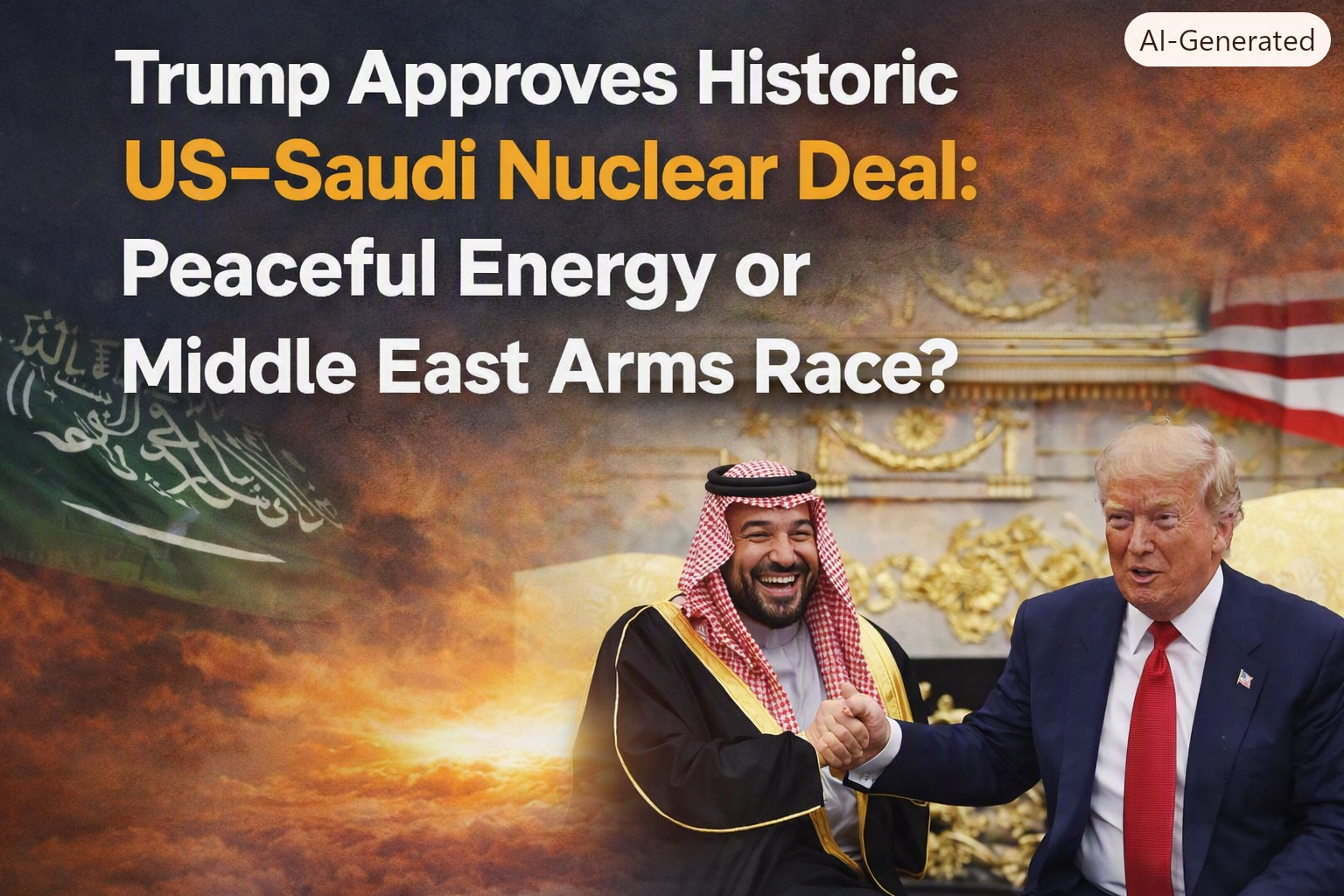
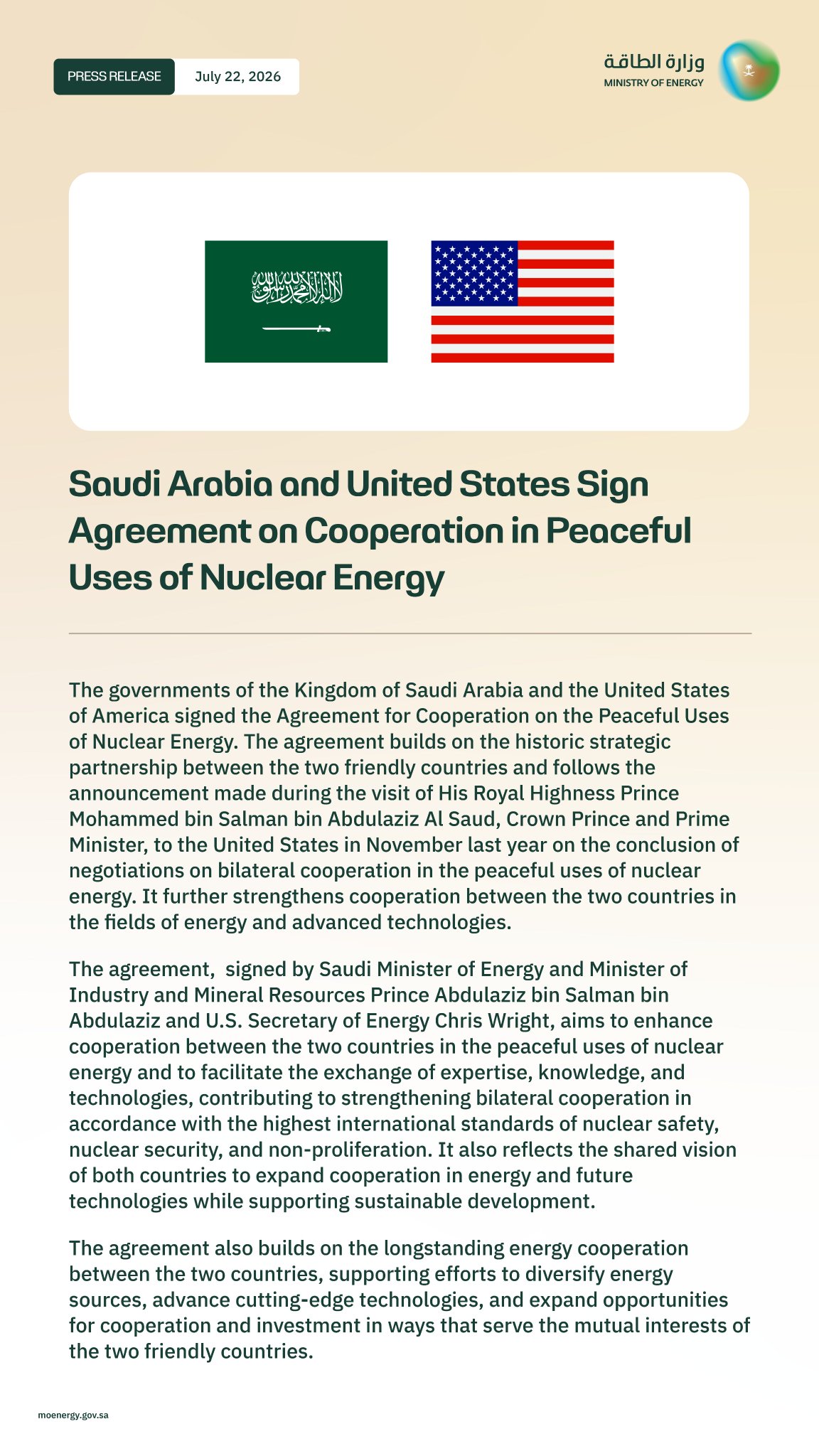
The United States and Saudi Arabia have signed one of the most consequential civil nuclear agreements of the decade. For decades, Riyadh had pushed for such a deal, but Washington resisted. Now, in 2026, the breakthrough has arrived, and it’s about far more than electricity generation. Analysts warn this pact could reshape nuclear non‑proliferation, Middle Eastern security, and the US-China rivalry.
The Trump administration says the deal has strong safety checks built in. Energy Secretary Chris Wright explained that it meets the highest standards for nuclear safety and preventing weapons spread. On Truth Social, Trump added that the U.S. has no issue with peaceful, non‑enriched nuclear facilities.
Why Saudi Arabia Wants Nuclear Power
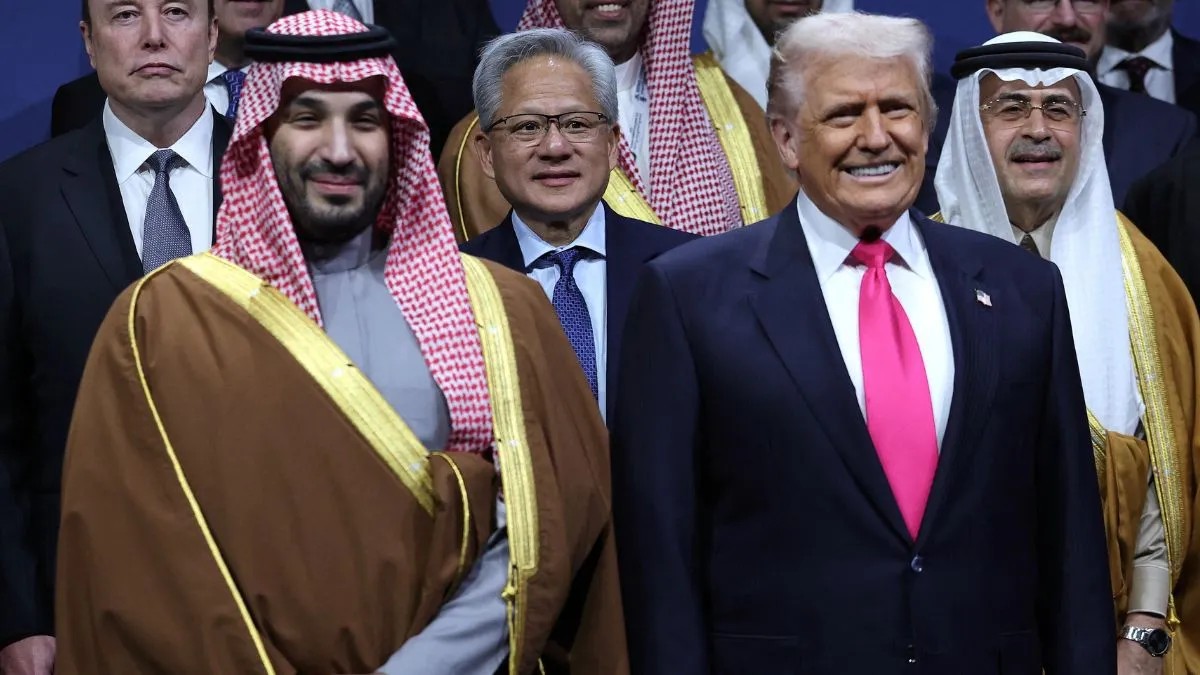
Saudi Arabia, the world’s largest oil exporter, doesn’t need nuclear energy for survival. The real motive lies in economic diversification. Under Crown Prince Mohammed bin Salman’s ambitious Vision 2030, Riyadh aims to reduce dependence on oil, expand manufacturing, and invest in renewables and nuclear energy. By cutting domestic oil consumption, Saudi Arabia can export more, strengthening its global economic clout.
The US Hesitation and the China Factor
For years, Washington blocked the deal over one issue: uranium enrichment. The US feared that allowing Saudi Arabia to enrich uranium domestically could open the door to nuclear weapons.
But with China and Russia aggressively expanding nuclear exports in the Middle East, America faced a strategic dilemma. If Washington refused, Riyadh could turn to Beijing or Moscow. The Trump administration finally relented, signing the deal under the framework of the US Atomic Energy Act’s Section 123 Agreement.
What the Deal Includes?
Construction of advanced nuclear reactors, likely Westinghouse AP1000 units.
Technology transfer: design, engineering expertise, training, and safety systems.
Support for uranium mining and processing inside Saudi Arabia.
The most controversial clause: permission for uranium enrichment, a dual‑use technology that can power reactors but also produce bomb‑grade material.
The Nuclear Domino Effect
This provision has set off alarm bells. Enrichment means Saudi Arabia could, in theory, move toward weapons‑grade uranium (90% U‑235). Iran’s rapid enrichment program already destabilizes the region, and now Riyadh’s new capability could trigger a nuclear arms race.
Iran may accelerate its own bomb ambitions.
Turkey, Egypt, and others could reconsider nuclear options.
Israel would be forced to reassess its security calculus.
Saudi Arabia’s Red Line on the Abraham Accords
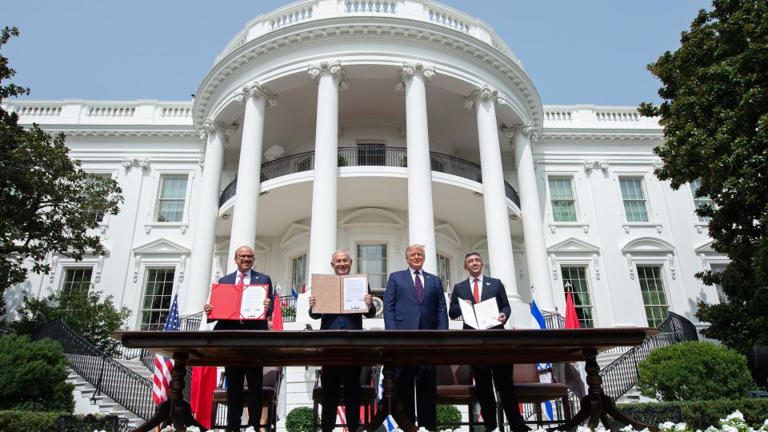
The Abraham Accords, introduced during Trump’s presidency in 2020, were designed to normalize relations between Arab nations and Israel. So far, only four countries, the UAE, Bahrain, Morocco, and Sudan, have signed on.
Saudi Arabia, however, has drawn a firm line. The Kingdom insists that peace with Israel cannot come without justice for Palestine. Riyadh’s position is clear: an independent Palestinian state must be established before it will consider joining the accords.
Talks with Washington about Saudi participation were underway, but everything changed after the Israel-Hamas war erupted in 2023. Since then, Saudi Arabia has shifted its focus toward securing a U.S. defense pact and has repeatedly emphasized that the war in Gaza must end before any normalization moves can resume.
India’s Dilemma
For India, heavily dependent on Middle Eastern oil, instability in the region poses risks. Yet there’s a silver lining: if Saudi Arabia exports more oil by cutting domestic use, global supply could rise, potentially benefiting India’s energy security.
The Big Picture
This isn’t just an energy deal; it’s a geopolitical gamble. By enabling Saudi Arabia’s nuclear ambitions, Washington may have opened the door to a new era of nuclear competition in the Middle East.
The question now is whether this historic agreement will stabilize the region through cooperation or ignite a dangerous arms race.
Written by
Ritvik DeshmukhDiscussion (0)
Sign in to join the discussion.
Loading comments…