
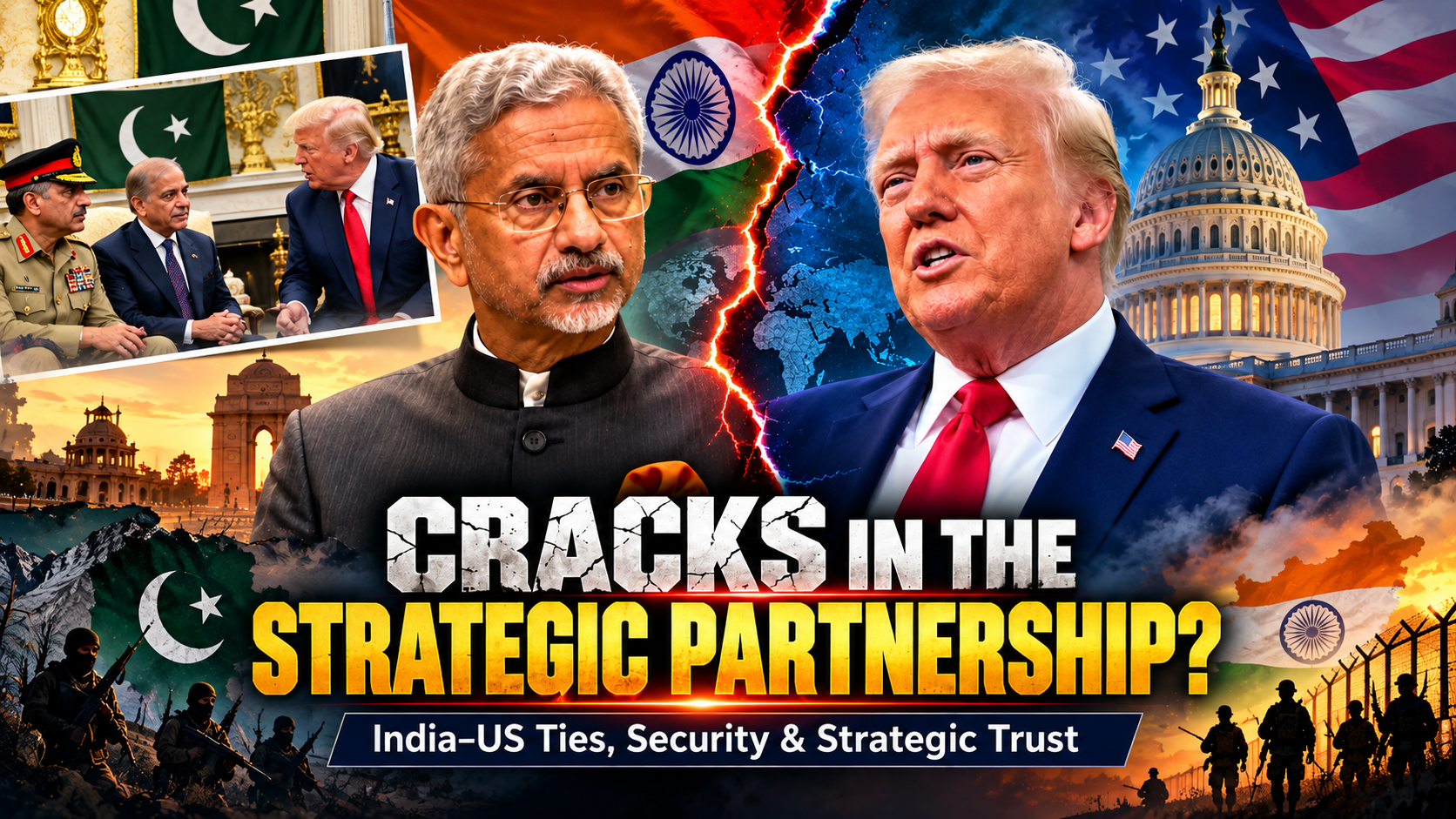
India’s External Affairs Minister S. Jaishankar has publicly questioned Washington’s understanding of cross-border terrorism, raising fresh concerns over US-Pakistan ties, strategic trust, and the future of India-US relations.
For decades, India and the United States have steadily strengthened their strategic partnership, working together on defense, technology, trade, and Indo-Pacific security. But recent developments suggest that this relationship is no longer enjoying the same level of trust and warmth.
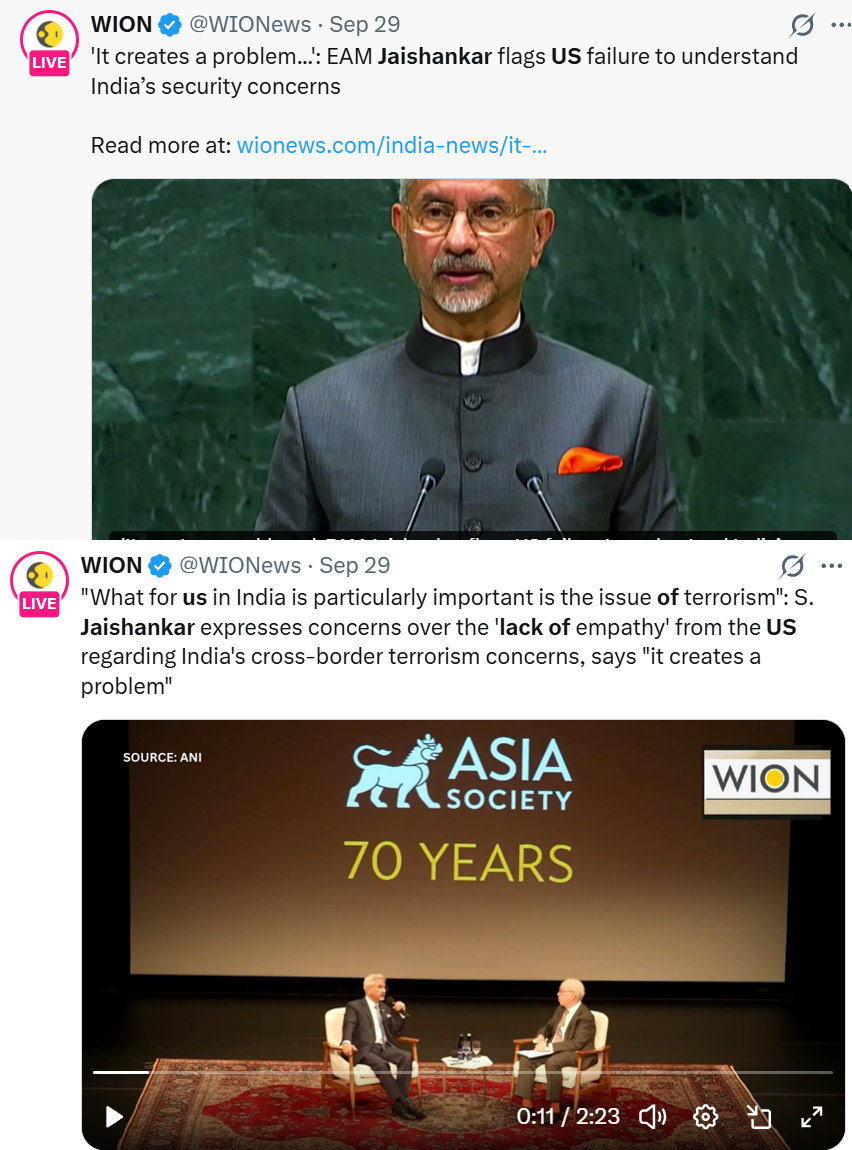
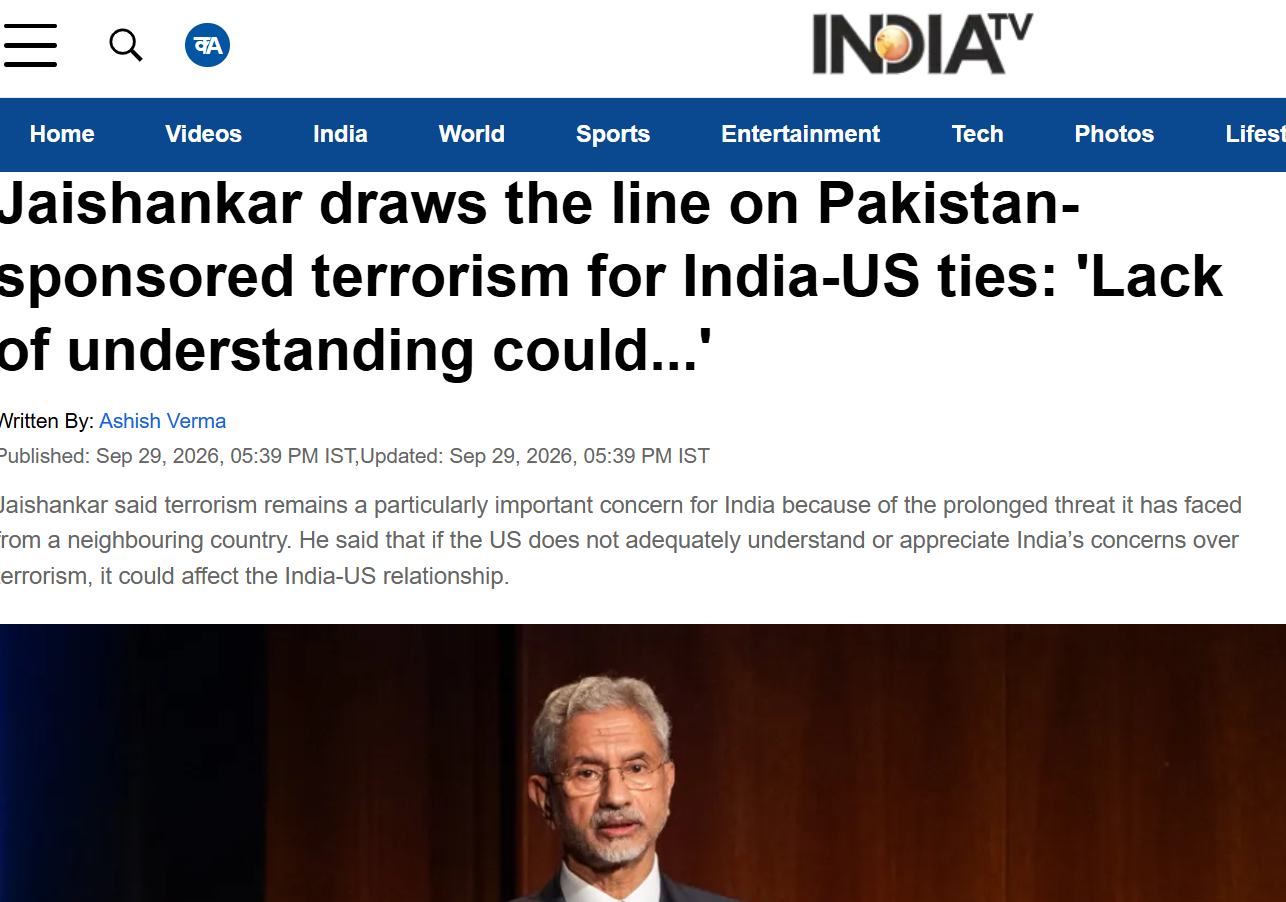
A strong indication of this emerging discomfort came when India's External Affairs Minister, Dr. S. Jaishankar, openly expressed concern over what he described as a lack of understanding and empathy regarding India's security challenges, particularly cross-border terrorism. His remarks have sparked intense debate, raising an important question: Is India drawing a new diplomatic red line with Washington?
India’s Growing Frustration Over America’s Pakistan Policy
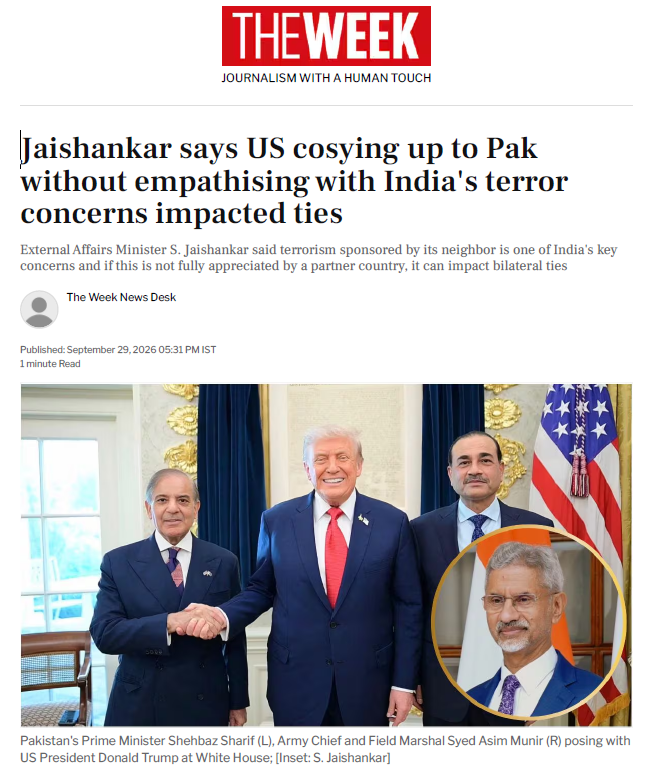
One of the biggest sources of friction between New Delhi and Washington has been the evolving US approach toward Pakistan.
Many Indian observers have expressed concern over the increasing engagement between the United States and Pakistan, especially at a time when India continues to face security threats linked to cross-border terrorism. From India's perspective, the issue is not merely about diplomacy with Islamabad but about the apparent lack of emphasis on terrorism-related concerns that directly impact Indian security.
The perception in New Delhi is that while global powers often react strongly when terrorism threatens their own interests, there is frequently less urgency when the victims are elsewhere. This sense of unequal concern has become a growing irritant in India-US relations.
Jaishankar’s Blunt Message: Lack of Understanding Hurts Partnerships
During a recent discussion, Dr. Jaishankar delivered one of the most candid assessments of the bilateral relationship in recent years.
His core argument was simple yet powerful: If a country's primary security concerns are not fully appreciated by its strategic partner, that naturally impacts the relationship.
This statement carries significant diplomatic weight. Foreign ministers rarely express dissatisfaction publicly unless they intend to send a clear message.
For India, cross-border terrorism is not a secondary issue. It is a core national security challenge. When policymakers feel that international partners fail to fully recognize this reality, concerns about strategic alignment inevitably emerge.
The significance lies not only in what was said, but also in who said it.
The Social Media Era Is Reshaping Diplomacy
Jaishankar also highlighted an important reality often ignored in traditional diplomatic analysis:
Diplomacy is no longer limited to governments, presidents, prime ministers, or foreign ministries.
In today's digital age, public opinion plays a massive role in shaping international relations.
Platforms such as X, YouTube, Instagram, and other social media networks influence how citizens perceive foreign nations. These perceptions can eventually affect policymaking, political narratives, and electoral discourse.
According to Jaishankar's observation, modern diplomacy operates in an environment where governments must increasingly account for public sentiment alongside traditional statecraft.
The Rise of Anti-Indian Narratives in America
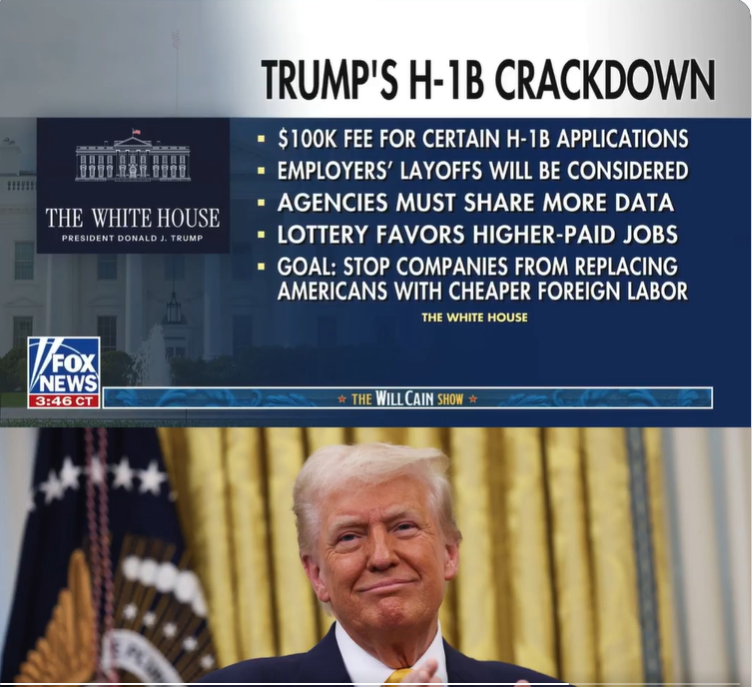
Another challenge affecting bilateral perceptions has been the rise of anti-Indian rhetoric in certain online spaces within the United States.
Indian professionals, particularly those in the technology sector, have often been targeted by narratives claiming that skilled foreign workers take away opportunities from American workers.
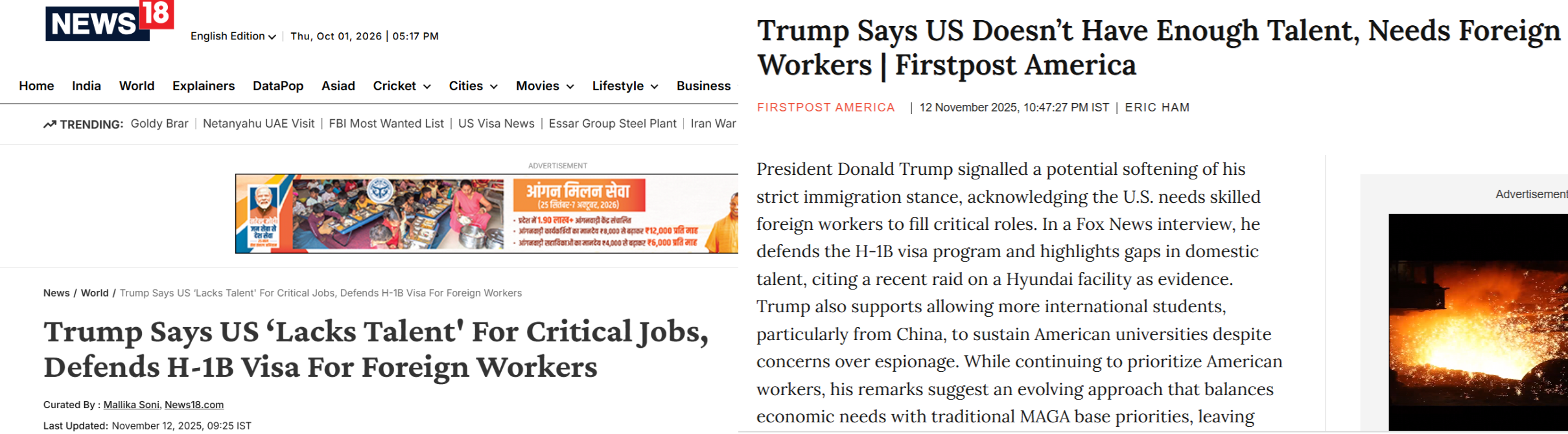
Ironically, for years the movement of Indian engineers, software developers, and technology experts to the United States was viewed as mutually beneficial. American companies gained access to highly skilled talent, while Indian professionals contributed to innovation and economic growth.
However, changing political narratives have increasingly transformed immigration and skilled mobility into contentious political issues. This shift has created new tensions that go beyond official diplomacy and enter the realm of public perception.
Why Indian Talent Remains Critical to Global Business
Despite political debates, economic realities continue to tell a different story. Many multinational technology firms still rely heavily on Indian talent. Rather than bringing every skilled worker to the United States, companies are now expanding operations directly within India.
The country has become a major destination for investments in technology, data centers, artificial intelligence, and digital infrastructure.
As a result, India's role in the global technology ecosystem continues to grow, regardless of immigration-related political debates elsewhere.
Terrorism: The Issue India Refuses to Ignore
Perhaps the strongest concern emerging from New Delhi is the belief that insufficient international pressure is being placed on Pakistan regarding terrorist networks operating within its territory.
Indian policymakers have repeatedly argued that terrorism must be addressed consistently, without selective standards. For India, this issue transcends politics, trade, and geopolitics. It is fundamentally a matter of national security.
Jaishankar's recent comments indicate that New Delhi wants its partners, especially strategic partners, to demonstrate greater understanding of this concern.
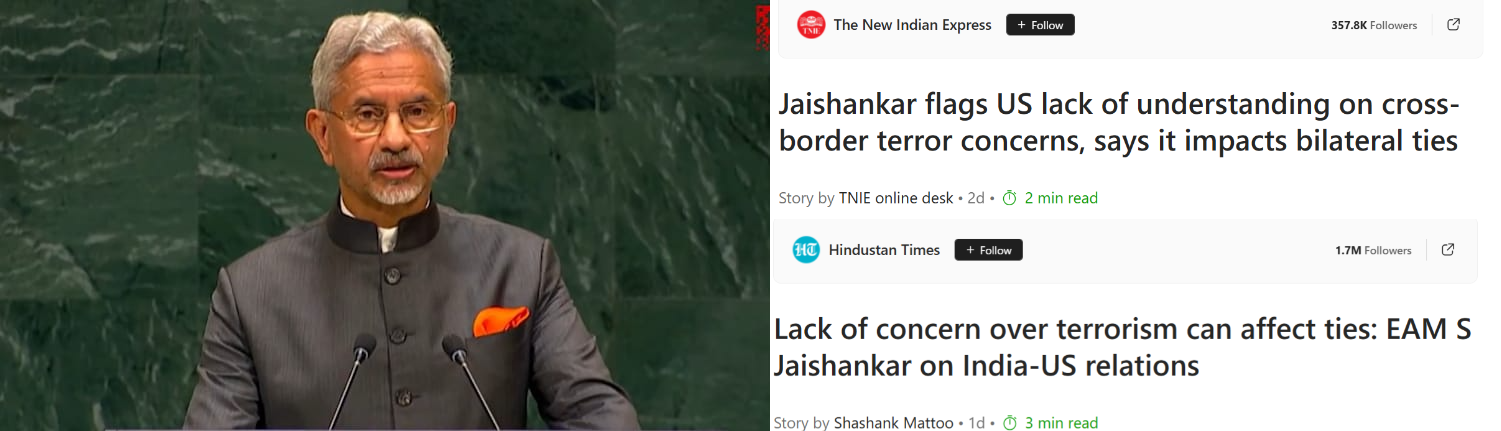
The message is clear: Security challenges affecting India cannot remain peripheral in conversations about the future of India-US ties.
A Surprising Shift: India and China Finding Common Ground?
While questions arise about India-US relations, another equally significant development is unfolding.
India and China have shown signs of cautiously improving relations after years of tensions. Jaishankar emphasized a principle that has guided recent diplomatic thinking: “When two major neighbours remain trapped in prolonged conflict, outside powers often benefit.”
This reflects a broader strategic calculation. Neither India nor China gains from constant friction, whereas third-party powers may derive geopolitical advantages from continued tensions.
The gradual normalization of trade, diplomatic engagement, and economic interactions suggests both countries recognize the value of stability, even while significant disagreements remain unresolved.
Changing Asian Geopolitics and America’s Concerns
The normalization of India-China relations introduces a new dynamic into global geopolitics.
Following the Galwan clash, security concerns regarding China became a dominant feature of India's strategic calculations. However, as border tensions ease and diplomatic channels improve, a more balanced approach appears to be emerging.
Trade between the two Asian giants has continued, and broader regional frameworks such as BRICS are creating additional areas of engagement. This does not mean India and China have become allies. Instead, it indicates a recognition that unmanaged rivalry benefits neither side.
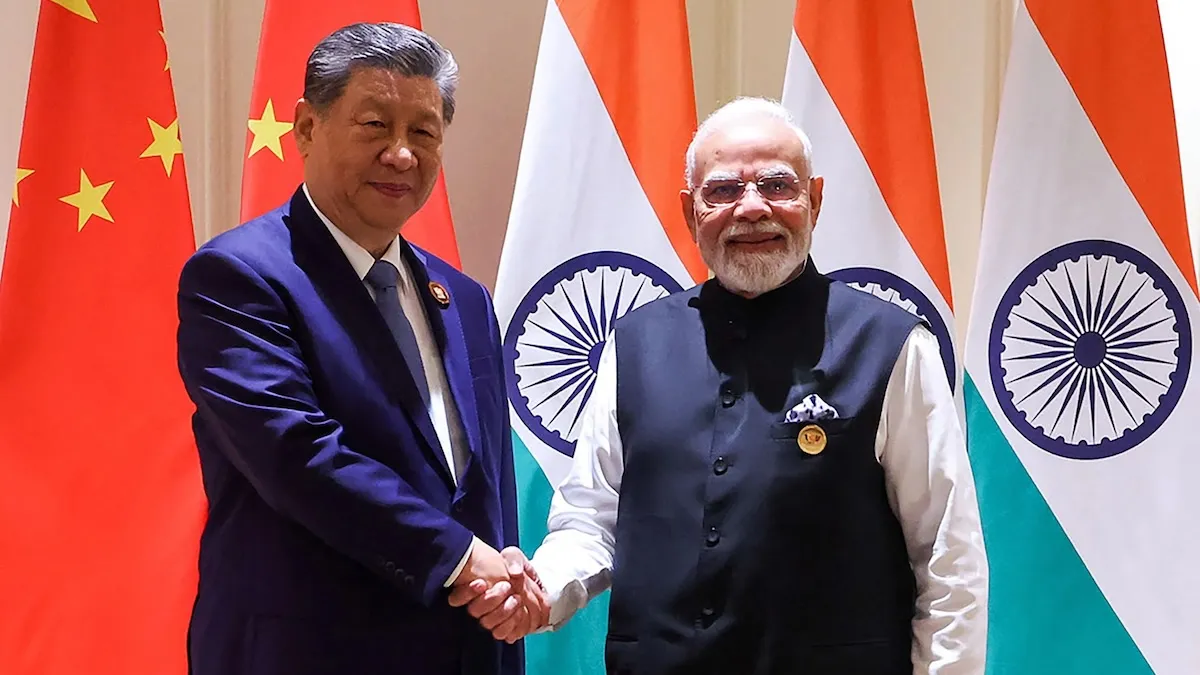
For Washington, this evolving relationship is being watched closely because geopolitical equations in Asia are constantly shifting.
Is Trump’s Pakistan Outreach a Temporary Phase?
Another key debate revolves around whether recent American engagement with Pakistan reflects a long-term policy shift or a temporary political phenomenon.
Many analysts argue that changes associated with individual political leadership should not automatically be interpreted as permanent strategic transformations.
Governments change, priorities evolve, and diplomatic relationships often adjust accordingly. What remains constant is India's expectation that terrorism-related concerns receive serious attention from all its international partners.
A Defining Moment for India–US Relations
The most important takeaway from Jaishankar's remarks is that India has chosen to communicate its concerns openly rather than privately.
That alone makes this a significant diplomatic moment. India is not abandoning its partnership with the United States. Far from it. The relationship remains one of the most important strategic partnerships of the 21st century.
However, New Delhi is making it clear that genuine partnerships require mutual understanding, especially on issues as critical as terrorism and national security.
As geopolitical dynamics continue evolving, both nations will need to address these concerns if they wish to preserve the momentum that has defined India-US relations over the past two decades.
🚀 What Do You Think?
Is India right in demanding stronger American support on cross-border terrorism?
Will improving India-China relations reshape the balance of power in Asia?
And can India-US ties overcome these growing challenges?
💬 Share your views in the comments below and join the discussion.
🔔Follow us for sharp geopolitical insights, breaking diplomatic developments, and in-depth analysis of the power shifts shaping the world.
Written by
Ritvik DeshmukhDiscussion (0)
Sign in to join the discussion.
Loading comments…