From a State of 24 Crore People to Four New States: A Historic Transformation in the Making?
India’s most populous state, Uttar Pradesh, is once again at the center of a major political and administrative debate. With a population of nearly 24 crore (240 million), UP is larger than many countries in the world. In fact, if Uttar Pradesh were an independent nation, it would rank among the world's most populated countries.
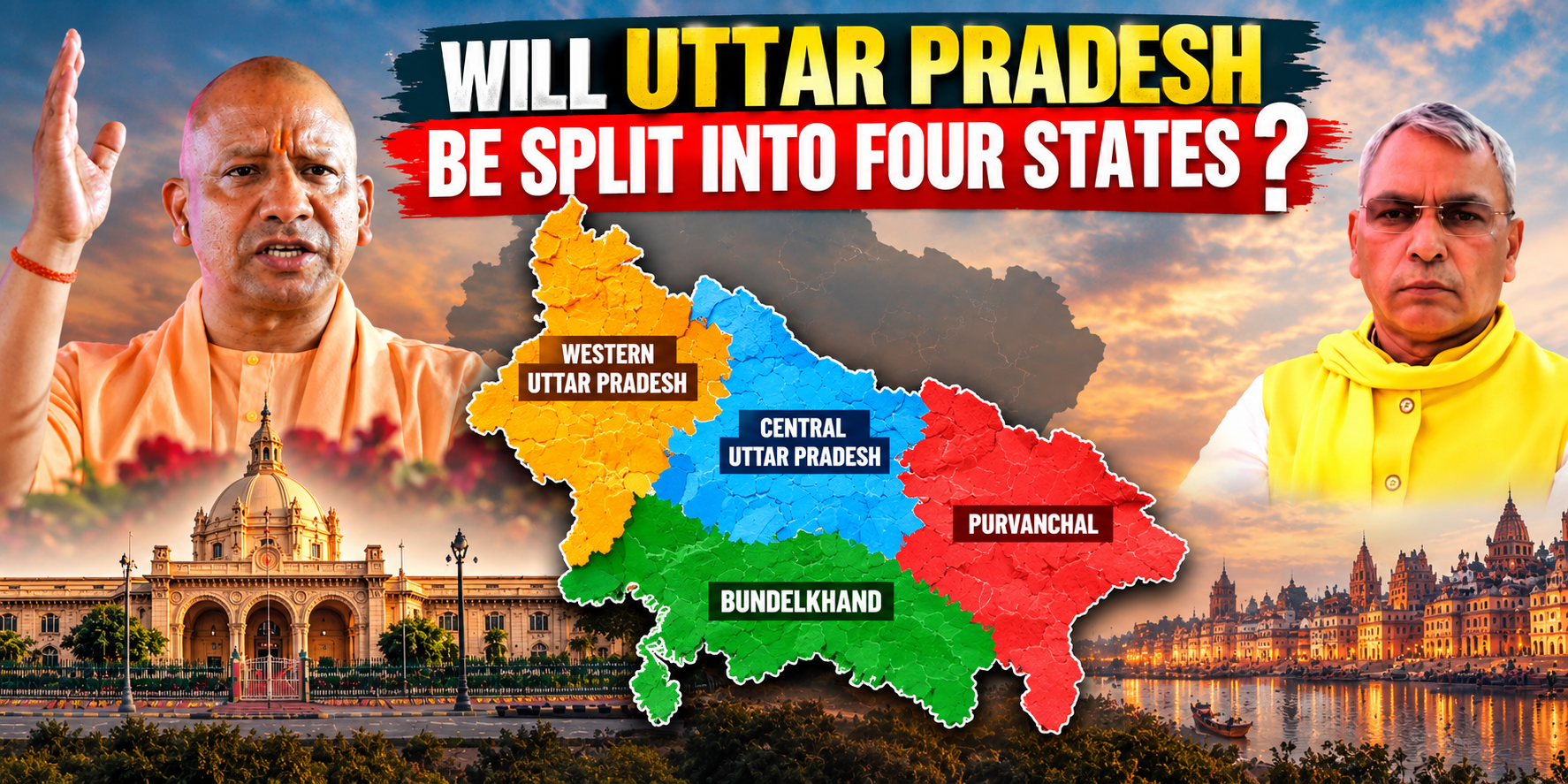
Now, a fresh proposal suggesting the division of Uttar Pradesh into four separate states has reignited discussions across political circles, policy forums, and social media. Supporters argue that smaller states could improve governance and development, while critics warn of political complications and administrative chaos.
So, what exactly is being proposed, why is the debate resurfacing, and can Uttar Pradesh really be split into four states? Let's break it down.
The Proposal: Four New States from One Giant State
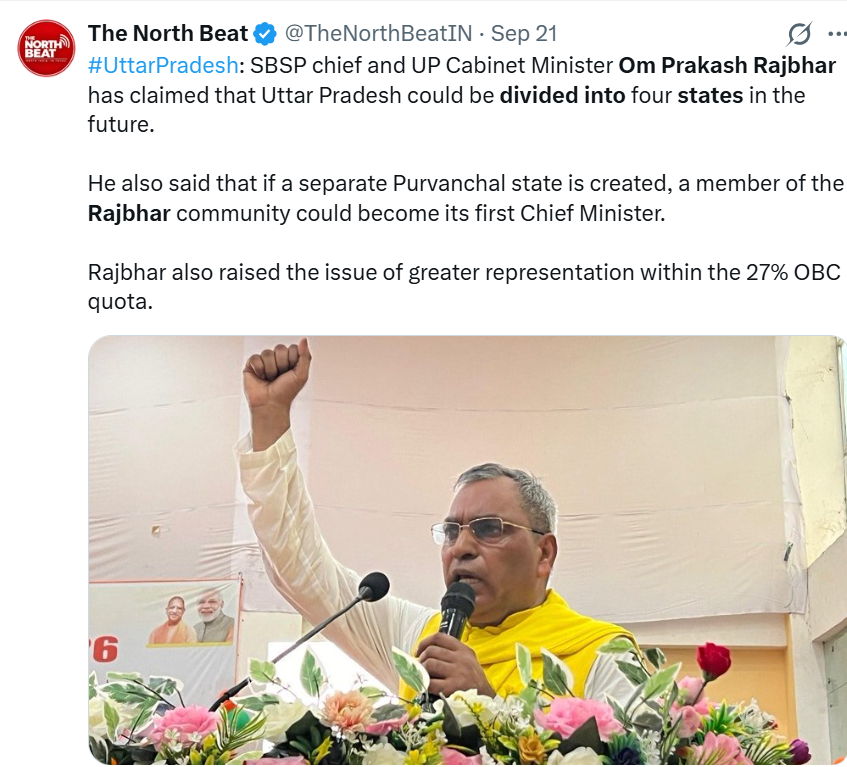
The latest discussion gained momentum after statements made by Om Prakash Rajbhar, a minister in the Uttar Pradesh government and an ally of the ruling BJP-led coalition.
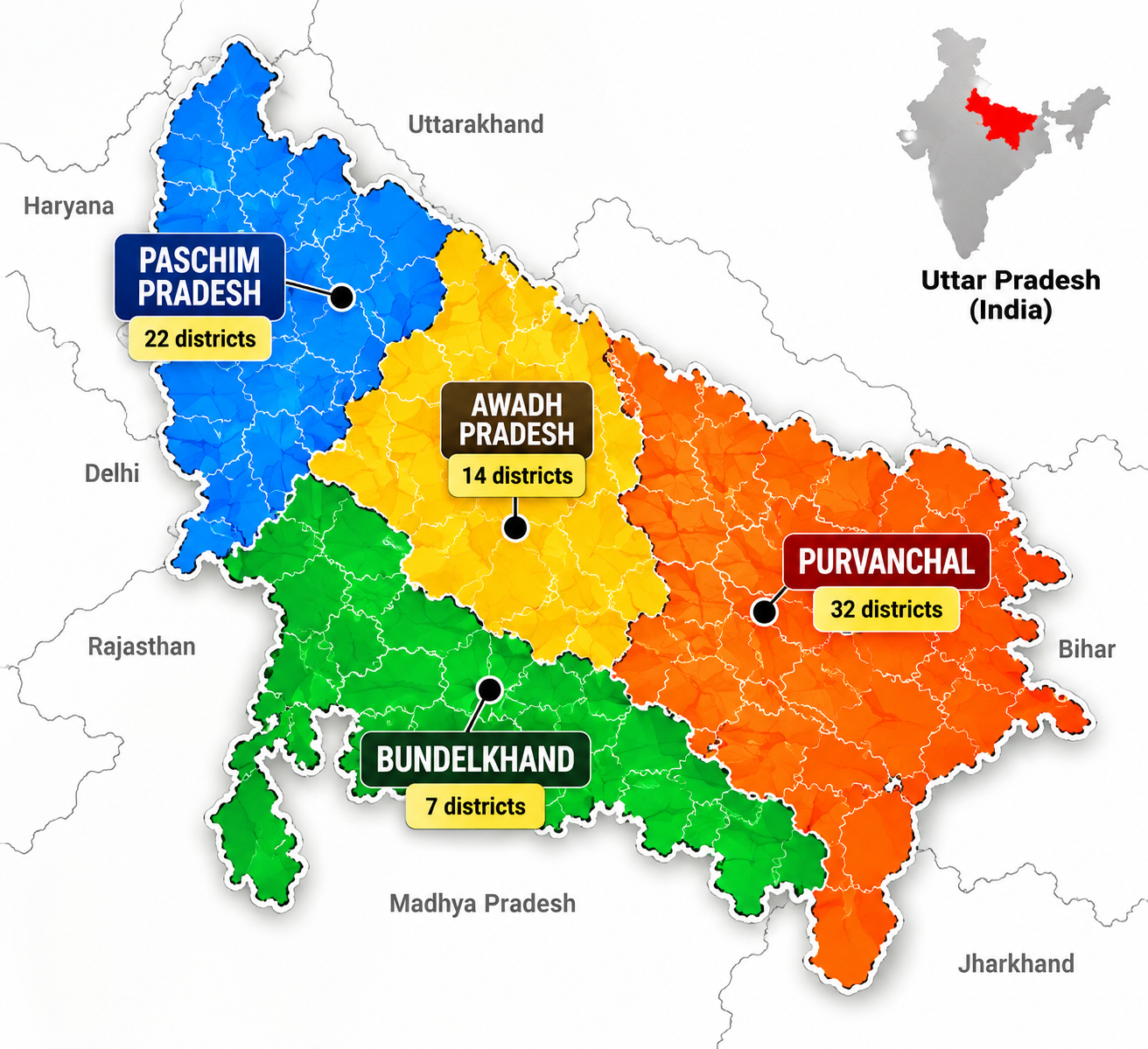
According to the proposal, Uttar Pradesh could be reorganized into four distinct regions:
1. Purvanchal (Eastern UP)
A densely populated region known for agriculture, migration, and major religious centers.
2. Madhyanchal (Central UP)
The administrative heartland centered around Lucknow and surrounding districts.
3. Bundelkhand (Southern UP)
A region frequently affected by water scarcity, droughts, and rural development challenges.
4. Harit Pradesh (Western UP)
An economically stronger belt with thriving agriculture, sugarcane production, and proximity to Delhi-NCR.
The argument is straightforward: governing such a vast and diverse state under a single administrative structure has become increasingly difficult.
Why Is Uttar Pradesh Considered Too Big to Govern Efficiently?
Uttar Pradesh is not just large in terms of geography. It is also incredibly diverse. Different regions have different:
1. Economic structures
2. Agricultural patterns
3. Development levels
4. Employment opportunities
5. Migration trends
6. Social and political dynamics
A challenge in Purvanchal may be completely different from a challenge in Western UP. Similarly, Bundelkhand’s water crisis requires a very different policy approach compared to industrial and agricultural issues in the western region.
Supporters believe that smaller states could help governments focus on local priorities more effectively.
A New Idea? Not Really. Ambedkar Discussed It Decades Ago
Interestingly, the idea of dividing Uttar Pradesh is not new. Dr. B.R. Ambedkar, one of the principal architects of the Indian Constitution, had expressed concerns about governing extremely large states.
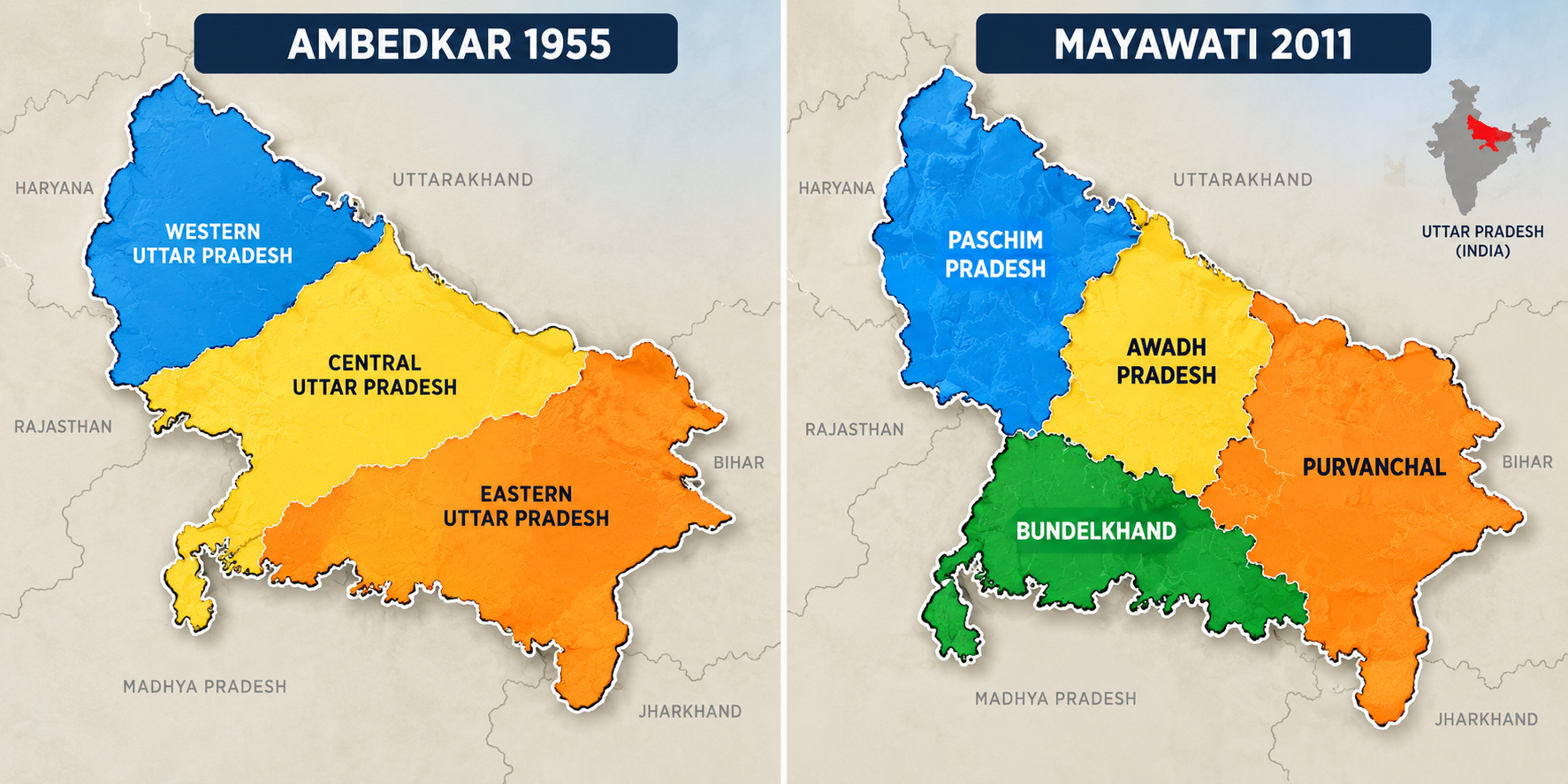
In his work on linguistic states, Ambedkar suggested that Uttar Pradesh could be divided into smaller administrative units. His argument was simple: Smaller populations and smaller administrative regions are easier to govern, more responsive to citizens, and more efficient in delivering services.
At the time, UP's population was around six crores, yet Ambedkar still believed dividing it into multiple units could improve governance. Today, with the population nearly four times larger, many supporters of the proposal argue that his concerns are even more relevant.
Mayawati’s 2011 Move: The Proposal That Almost Happened
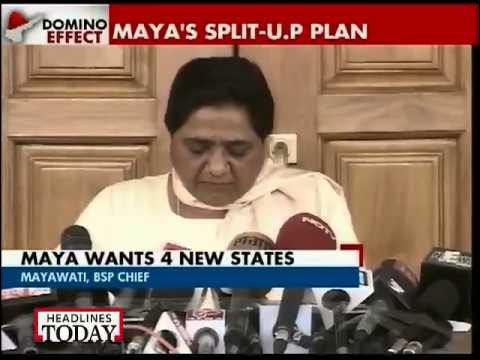
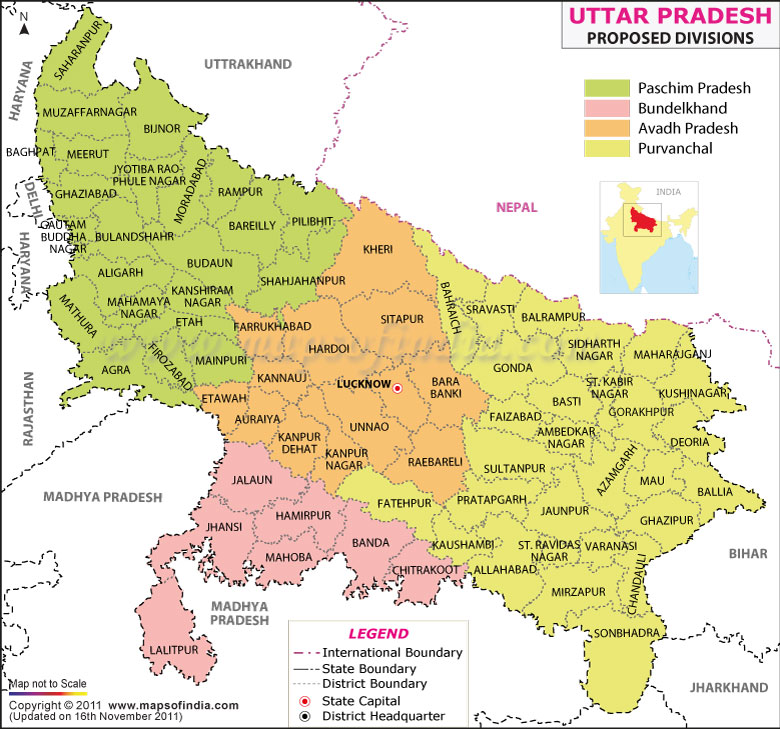
The idea made national headlines in 2011 when the government led by Mayawati passed a resolution in the Uttar Pradesh Assembly recommending the creation of four separate states.
Her proposed structure included:
1. Purvanchal
2. Awadh Pradesh
3. Bundelkhand
4. Paschim Pradesh (Western UP)
The main rationale was identical to today's argument:
1. Better governance
2. Improved regional development
3. Faster administrative decision-making
4. Greater focus on neglected regions
However, despite the Assembly resolution, the proposal never moved forward. Why?
Because passing a resolution in a state assembly is not enough.
Can Uttar Pradesh Legally Be Divided? Here's What the Constitution Says
The answer is yes, but only through Parliament. Under Article 3 of the Indian Constitution, Parliament has the authority to:
1. Create new states
2. Alter state boundaries
3. Increase or reduce state territories
4. Change state names
The process works like this:
Step 1
The President recommends the introduction of a bill.
Step 2
The proposal is referred to the concerned state legislature for its opinion.
Step 3
The state legislature gives its views, but its approval is not mandatory.
Step 4
Parliament debates and passes the bill through a simple majority.
Step 5
Once approved, the reorganization becomes law.
This means that even if a state assembly disagrees, Parliament ultimately has the final authority.
The Political Angle: Administration or Representation?
The debate is not just about governance. It also carries significant political implications. For example, supporters of the Purvanchal state argue that local communities would receive stronger political representation. Statements suggesting that leaders from specific communities could emerge as chief ministers of new states have added a caste and representation dimension to the discussion.
This has led critics to argue that the proposal may be driven as much by political calculations as by administrative concerns.
Potential Benefits of Dividing Uttar Pradesh
Supporters highlight several possible advantages.
1. Better Governance
Smaller states can focus on local issues more efficiently and reduce bureaucratic delays.
2. Faster Development
Each state can design policies tailored to its regional needs.
3. Improved Service Delivery
Health, education, infrastructure, and welfare programs may become easier to monitor and implement.
4. Region-Specific Solutions
a) Bundelkhand could focus on water management.
b) Purvanchal could prioritize migration and employment.
c) Western UP could further strengthen agriculture and industrial growth.
The Challenges: Why Critics Remain Unconvinced
Not everyone believes state division is the magic solution.
1. Smaller States Do Not Guarantee Success
Examples like Jharkhand, Uttarakhand, and Chhattisgarh show that creating a new state does not automatically eliminate poverty, unemployment, or governance problems.
2. Massive Administrative Restructuring
A division would require the redistribution of government employees, police forces, judicial institutions, universities and administrative departments. Such a transition could take years.
3. Capital City Disputes
Which cities would become capitals? Possible contenders include:
a) Varanasi for Purvanchal (Eastern U.P)
b) Lucknow for Madhyanchal (Central U.P)
c) Jhansi for Bundelkhand (Southern U.P)
d) Meerut for Harit Pradesh (Western U.P)
These decisions could trigger intense political competition.
4. Water-Sharing Conflicts
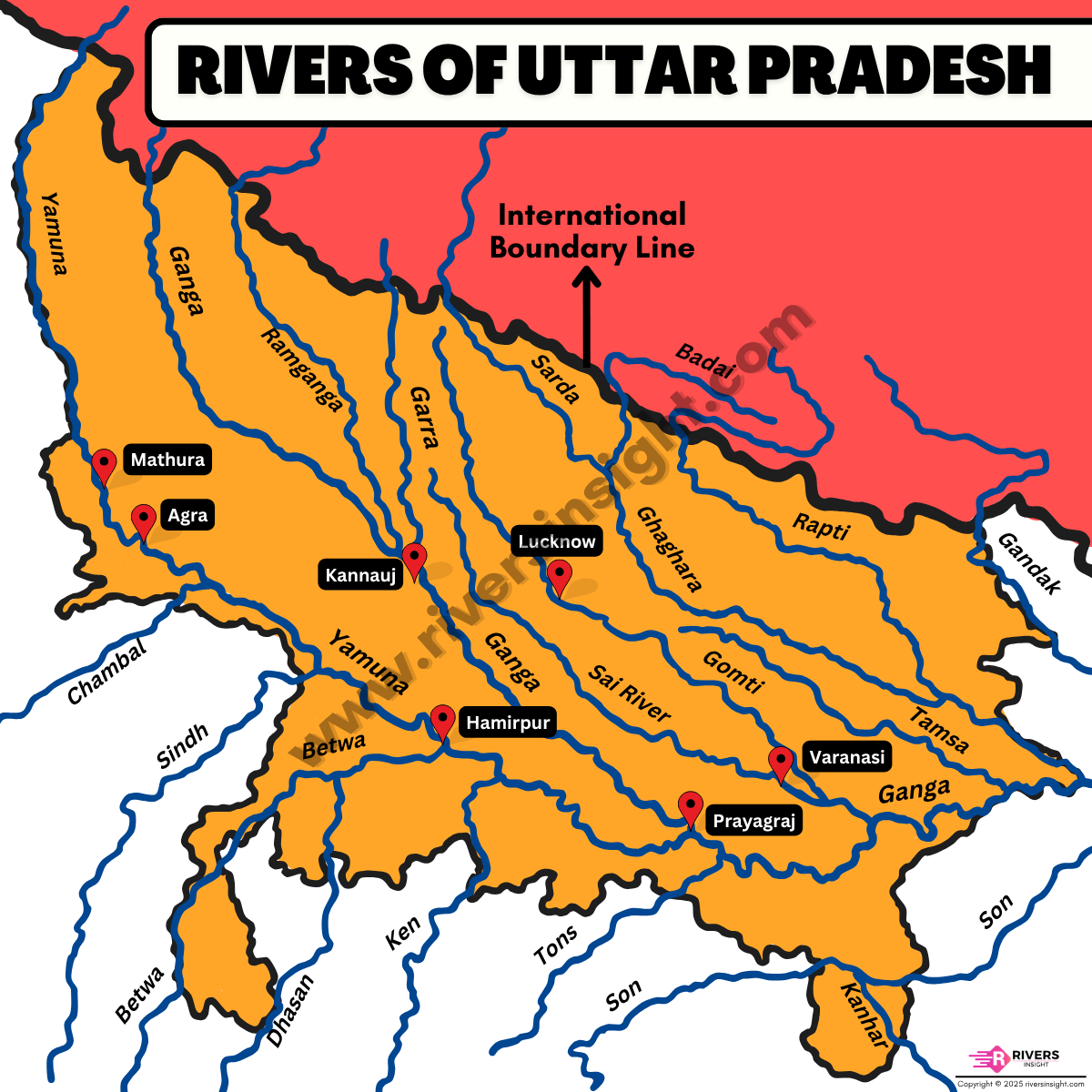
Rivers such as Yamuna, Betwa, and Ken flow through different regions. Dividing the state could create future disputes over water allocation, similar to inter-state water conflicts seen elsewhere in India.
How Would It Impact National Politics?
This may be the most important question of all. Uttar Pradesh sends 80 Members of Parliament to the Lok Sabha, the highest representation of any state in India. For decades, winning UP has often been considered crucial for forming a government at the Centre.
Political observers frequently say: "The road to Delhi passes through Uttar Pradesh."
If UP were divided into four separate states, the political influence currently concentrated in one state could be redistributed across multiple state governments and political power centers. That could significantly reshape India's political landscape.
Opposition Fires Back: ‘Politics of Division or Governance Reform?’
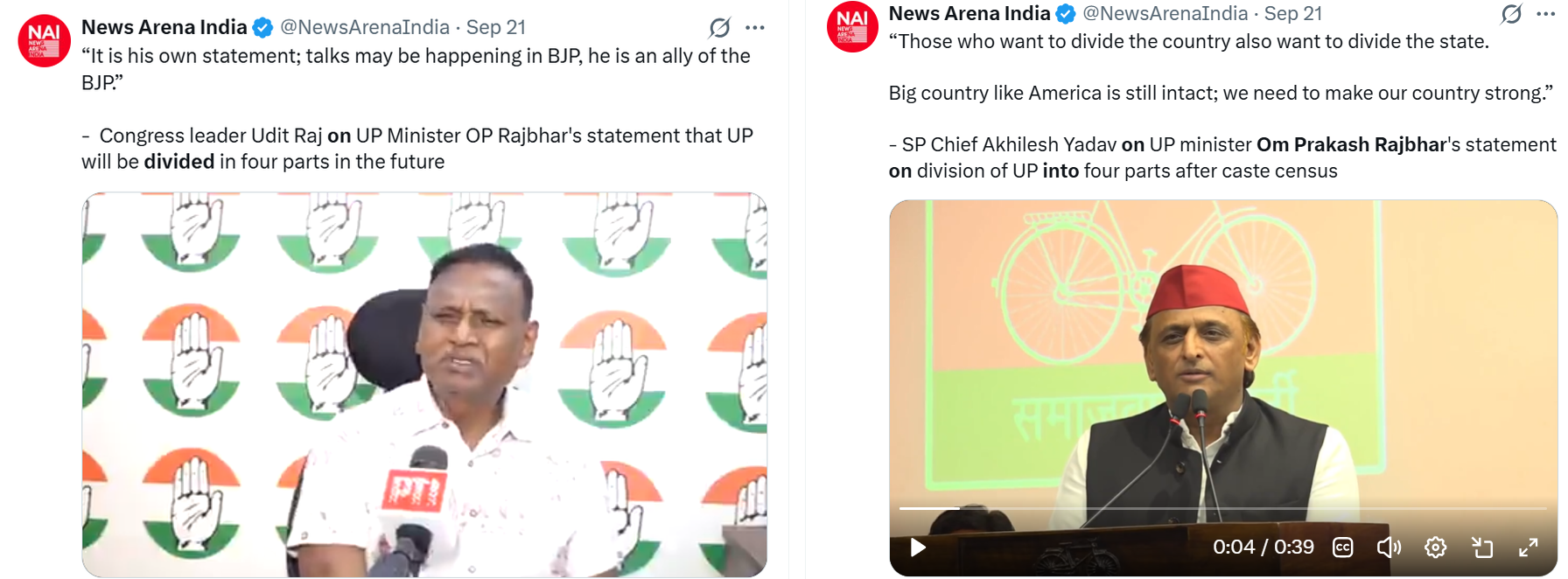
The proposal has drawn sharp criticism from opposition leaders. Congress leader Udit Raj dismissed the claim as a personal statement by an alliance partner, while Samajwadi Party chief Akhilesh Yadav argued that those seeking to divide Uttar Pradesh are weakening the idea of a stronger and united India.
What Happens Next?
At present, there is no official confirmation from the BJP or the Central Government that Uttar Pradesh will be divided. The recent statements have come from leaders of alliance partner parties, sparking renewed public debate over the proposal.
Whether the proposal remains a political talking point or evolves into a formal constitutional process remains to be seen.
One thing is certain: the discussion has reopened a long-standing question about governance, representation, development, and the future of India's largest state.
Final Verdict: Reform or Risk?
The proposal to split Uttar Pradesh into four states is both fascinating and controversial. Supporters see it as a bold step toward better governance, while opponents view it as a politically motivated exercise that could create new challenges instead of solving old ones.
With 24 crore people, immense regional diversity, and enormous political influence, Uttar Pradesh is unlike any other state in India. The debate is no longer just about geography. It is about governance, identity, development, and power.
What Do You Think?
✅Should Uttar Pradesh be divided into four smaller states for better administration?
❌Or should the state remain united and focus on governance reforms within its existing structure?
Share your views in the comments, join the conversation, and follow us for more in-depth analysis on India's most impactful political developments.
Written by
Aditya KulshreshthaDiscussion (0)
Sign in to join the discussion.
Loading comments…