
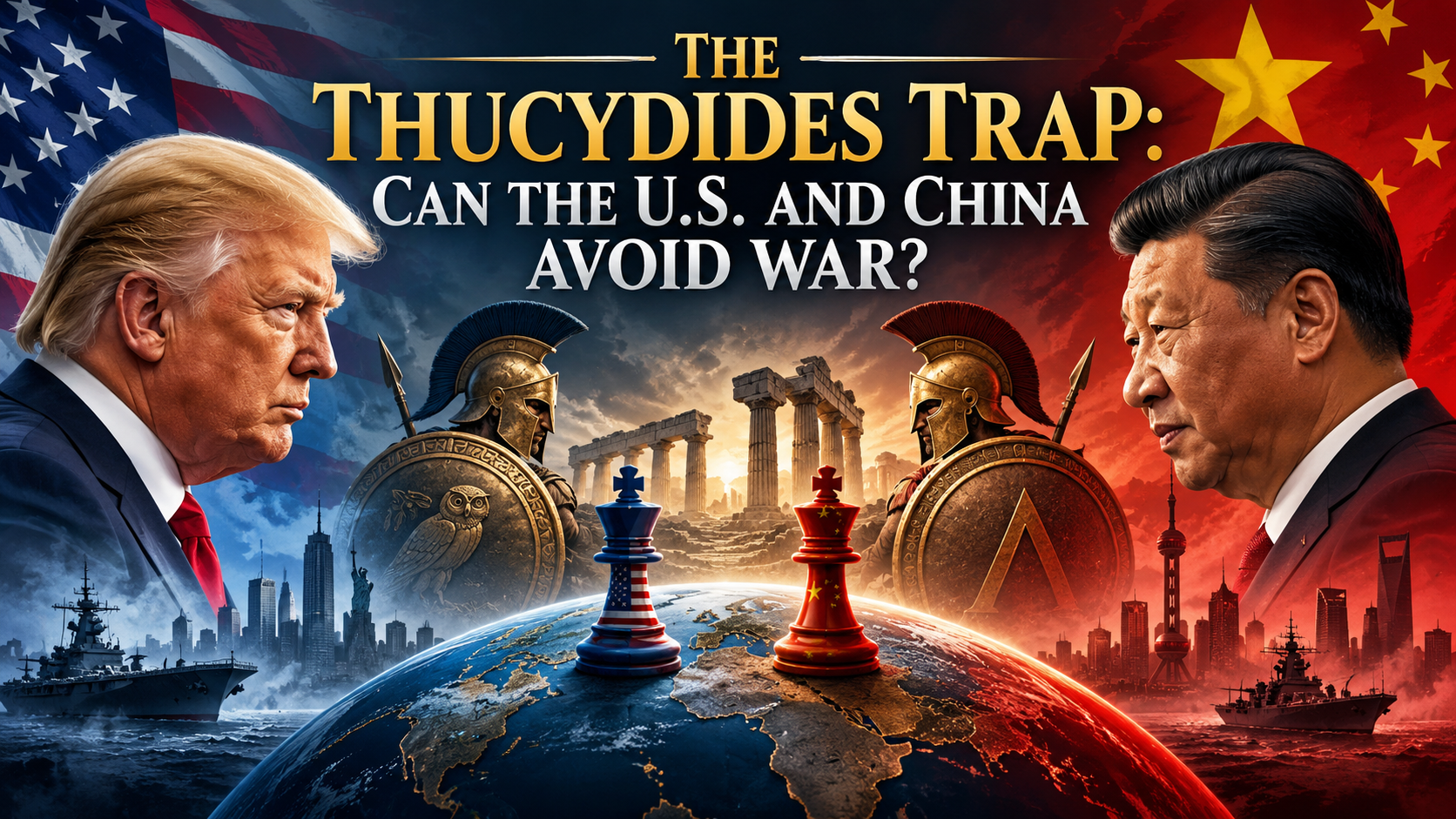
As Xi Jinping Revives the Ancient Warning of the Thucydides Trap, Global Concerns Grow Over Rising U.S.-China Tensions, Taiwan Risks, and the Future of Strategic Coexistence Between the World's Two Largest Powers.
The geopolitical rivalry between the United States and China has become one of the defining stories of the 21st century. Every major diplomatic meeting, trade dispute, military manoeuvre, or technological breakthrough between the two powers sparks a critical question:
Are the world's two largest powers inevitably heading toward war?
The debate gained renewed attention when Chinese President Xi Jinping referenced the "Thucydides Trap" during discussions with U.S. President Donald Trump at the White House on September 24, 2026, highlighting growing concerns over the future trajectory of U.S.-China relations.
Xi Jinping emphasized a simple idea: strategic rivalry does not have to end in military conflict.
The reference surprised many observers and reignited global conversations about whether history is repeating itself.
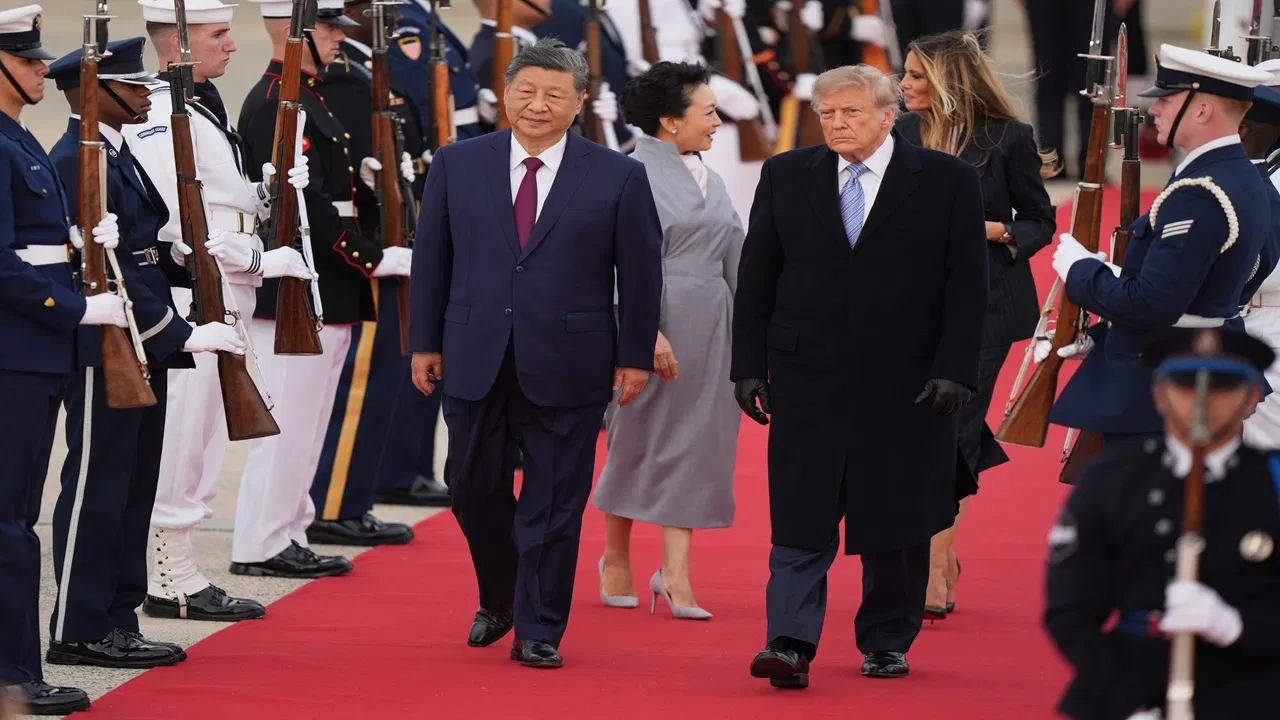
But what exactly is the Thucydides Trap? Why is it frequently linked to U.S.-China relations? And does it truly suggest that conflict between the world's leading and rising superpowers is unavoidable?
Let's dive deeper.
What Is the Thucydides Trap?
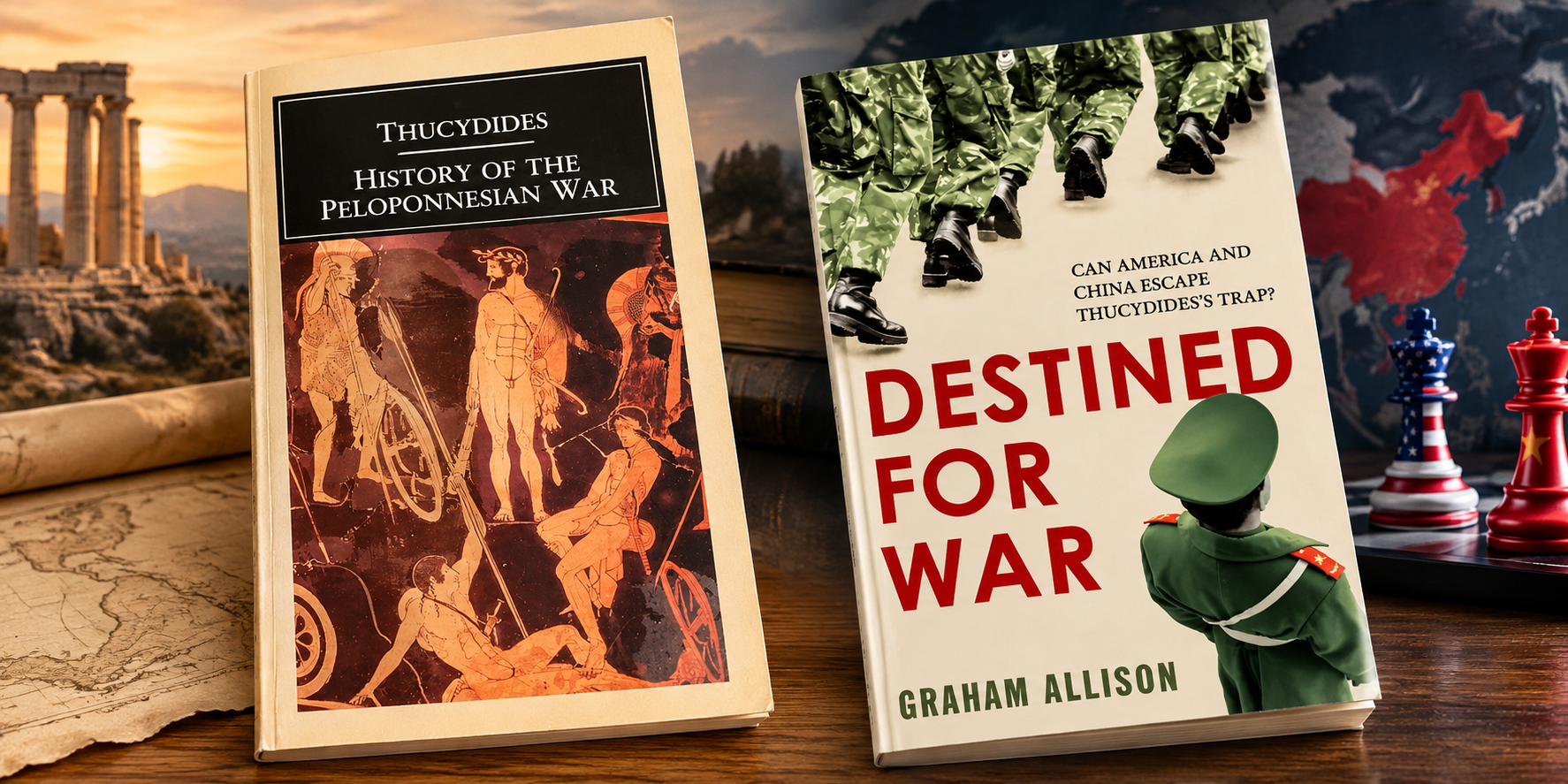
The term originates from Thucydides, an ancient Greek historian who analyzed the causes of the devastating Peloponnesian War between Athens and Sparta.
According to Thucydides: "It was the rise of Athens and the fear that this instilled in Sparta that made war inevitable."
In simple terms, Athens was becoming stronger economically, politically, and militarily. Sparta, the established dominant power, feared losing its position. That fear, combined with growing rivalry, ultimately led to war.
Centuries later, political scientist Graham Allison revived this historical concept and coined the modern expression "Thucydides Trap."
His argument was straightforward: When a rising power challenges an established power, tensions increase. Strategic competition, insecurity, and miscalculations can create conditions where conflict becomes more likely.
However, this does not mean war is guaranteed. It simply means the risk becomes dangerously high.
Why Is the Thucydides Trap Linked to the U.S. and China?
The comparison appears obvious to many geopolitical analysts.
The United States: The Established Superpower
Since the end of World War II, the United States has remained the world's dominant power, supported by:
1. The largest global military network
2. Strong diplomatic influence
3. The U.S. dollar's dominance in international finance
4. Technological leadership
5. Powerful alliances across Europe and Asia
6. Unmatched naval and air capabilities
For decades, no country came close to challenging America's global position.
China: The Rising Challenger
China's transformation since the late 20th century has been extraordinary. The country has rapidly expanded through:
1. Massive industrialization
2. Export-led economic growth
3. Manufacturing dominance
4. Technological innovation
5. Military modernization
6. Expanding naval power
7. Growing geopolitical influence
Today, China is widely viewed as the only nation capable of seriously challenging American influence on a global scale.
This dynamic mirrors the historical pattern described by Thucydides: “America represents the established power. China represents the rising power.”
And that is why the Thucydides Trap is frequently invoked whenever U.S.-China tensions escalate.
Does the Thucydides Trap Mean War Is Inevitable?
Absolutely not.
This is one of the biggest misconceptions surrounding the concept. The Thucydides Trap highlights a danger, not a predetermined outcome. History provides several examples where major powers managed intense competition without direct war.
Example 1: Britain and the United States
Before the United States emerged as the world's leading power, Britain was the dominant global empire.
Despite strategic competition and shifting power balances, the transition occurred without a catastrophic war between the two nations.
Example 2: The United States and the Soviet Union
During the Cold War, the U.S. and the USSR engaged in fierce ideological, military, and geopolitical rivalry.
The world repeatedly feared a confrontation. Yet despite numerous crises, both countries avoided full-scale war against each other.
These examples demonstrate that while power transitions are dangerous, they do not necessarily end in military conflict.
Why Did Xi Jinping Bring Up the Thucydides Trap Now?
Xi Jinping's comments come at a time when U.S.-China competition has expanded far beyond trade. Today, both nations are competing across multiple strategic fronts:
1. Technology
The battle for dominance in:
a) Artificial Intelligence (AI)
b) Advanced computing
c) Telecommunications
d) Semiconductor manufacturing
has become a central arena of competition.
2. Global Influence
Both countries are actively shaping international institutions, trade corridors, investment networks, and diplomatic relationships. From Asia to Africa and Latin America, their competition is increasingly global.
3. Military Power
The modernization of military capabilities on both sides has increased concerns regarding future security confrontations. Military deployments, exercises, and strategic signalling continue to intensify.
Taiwan: The Security Dilemma Spiral That Could Draw the U.S. and China Into Conflict
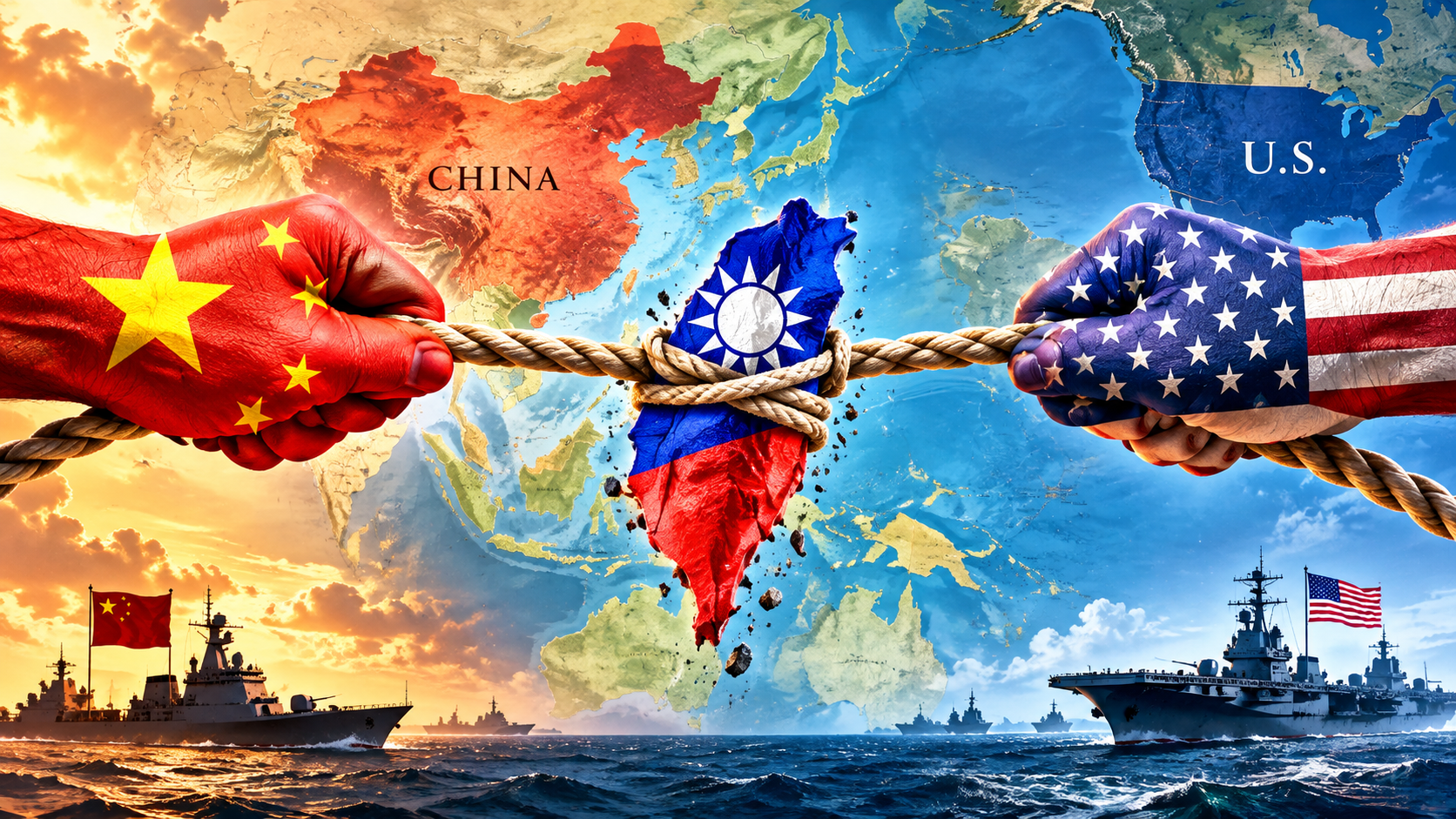
Taiwan remains the most sensitive and potentially explosive issue in U.S.-China relations. Beijing views Taiwan as part of its sovereign territory, while Washington maintains strong security ties with the island.
The danger lies not necessarily in deliberate aggression, but in what strategists call a security dilemma.
When one side takes actions to enhance its security, the other side interprets those moves as a threat and responds accordingly. Those responses then trigger further countermeasures, creating a cycle of escalating tensions.
In the Taiwan Strait, this could unfold as follows: China's military activities around Taiwan prompt greater U.S. support for Taipei. Beijing views that support as interference, leading to increased military deployments. Washington then strengthens its presence in response, convincing China that an even stronger posture is needed. What began as defensive actions on both sides can gradually evolve into a dangerous confrontation.
In such situations, a small incident, misunderstanding, or miscalculation could quickly escalate into a much larger crisis.
This is precisely the danger that advocates of the Thucydides Trap warn about.
Xi Jinping's Solution: Compete, But Don't Fight
Xi Jinping's central message was clear: The United States and China can compete without going to war.
Rather than demanding complete alignment, Xi proposed a more practical framework: Cooperate Where Interests Overlap
Areas of potential cooperation include:
1. Global economic stability
2. International trade
3. Financial systems
4. Climate and technology governance
5. AI safety
Compete Where Interests Differ
Healthy competition will likely continue in areas such as:
1. Advanced technologies
2. Semiconductors
3. Military capabilities
4. Strategic influence
5. Taiwan-related policies
In essence, Xi's formula can be summarized as: "Cooperate and Compete Simultaneously."
This approach acknowledges reality rather than pretending rivalry doesn't exist.
Why Military Communication Matters More Than Ever
One of Xi's strongest arguments focused on maintaining direct military-to-military communication channels.
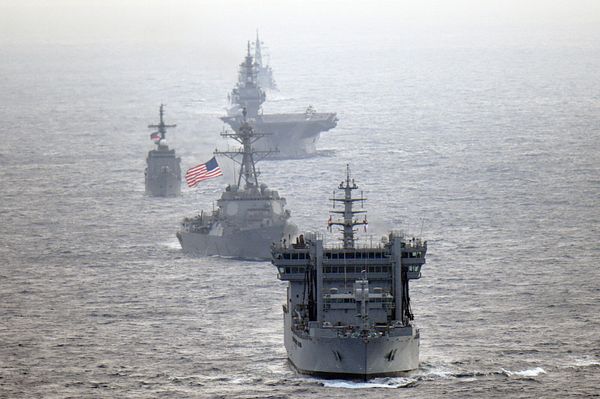
The concern is simple. American and Chinese military aircraft and naval vessels frequently operate in proximity, especially in the South China Sea and the wider Indo-Pacific region. A collision, navigation error, or misunderstanding could trigger a rapid escalation if communication channels are weak.
History shows that wars are often not the result of deliberate decisions alone. Sometimes they begin because leaders misunderstand each other's intentions.
Strong communication reduces the possibility of such dangerous miscalculations.
Soft Power: A Different Path to Stability
Xi Jinping also proposed expanding educational and people-to-people exchanges. By welcoming 100,000 young Americans to China through academic and cultural programs, Beijing hopes to reduce mistrust and improve mutual understanding.
While such initiatives may appear symbolic, they carry long-term significance. Greater interaction can:
1. Reduce stereotypes
2. Build professional networks
3. Encourage future cooperation
4. Strengthen diplomatic understanding
This strategy falls under what international relations experts call soft power diplomacy.
Trump’s Playbook: Trade, Technology, and a ‘Great Friendship’
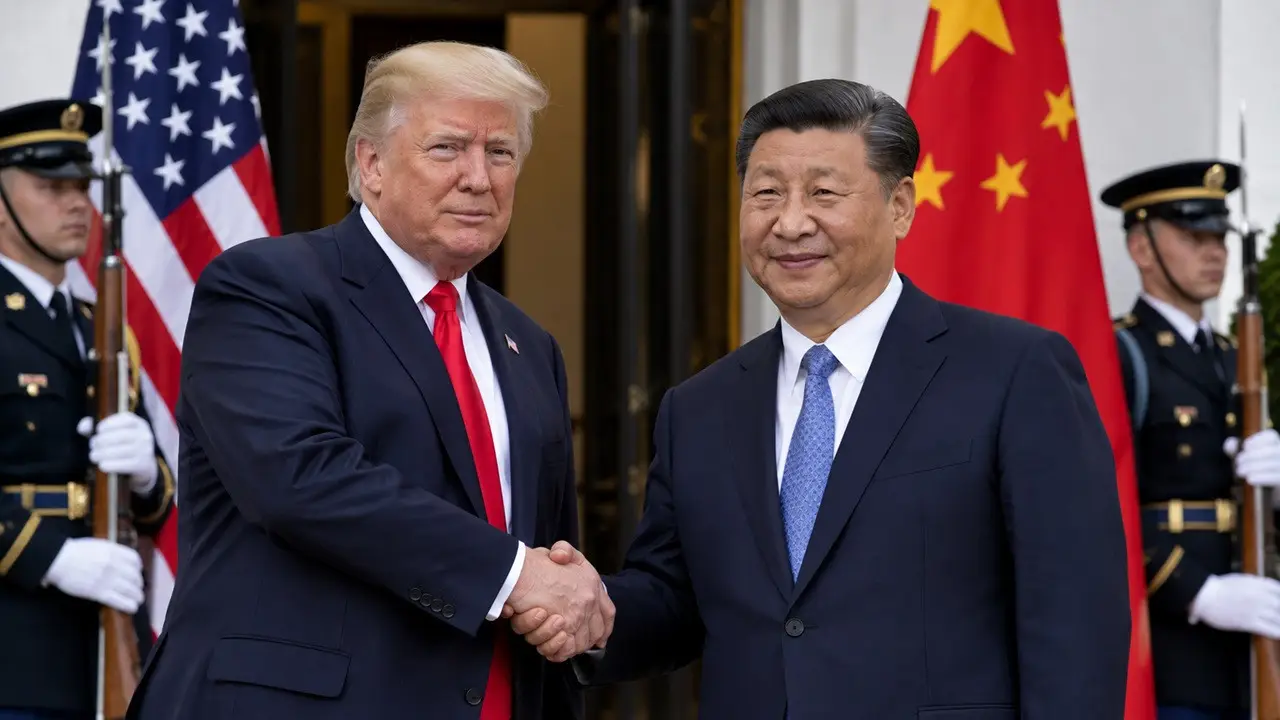
Rather than focusing on geopolitical risks, Trump underscored the opportunities within the U.S.-China relationship.
Trump’s Key Priorities Included:
1. Strengthening personal ties with Xi Jinping
2. Expanding U.S.-China trade
3. Improving market access for American farmers and businesses
4. Enhancing security cooperation
5. Advancing technology-related collaboration
6. Exploring opportunities in artificial intelligence
Trump portrayed the relationship between Washington and Beijing as a constructive partnership with significant untapped potential, emphasizing progress toward fairer trade and broader economic cooperation.
The Bigger Question: Can History Be Defied?
The Thucydides Trap serves as a warning, not a prophecy. The rise of China and the dominance of the United States have undoubtedly created one of the most significant power transitions in modern history. Yet history does not dictate the future.
Whether this rivalry leads to confrontation or peaceful coexistence will depend on leadership, communication, diplomacy, and the ability of both nations to manage competition responsibly.
For now, Xi Jinping's message is clear: Competition is inevitable. War is not.
🚀 The Bottom Line
The U.S.-China relationship is entering a defining phase that will shape global politics, economics, technology, and security for decades. The real challenge is not avoiding competition, but ensuring that competition never turns into conflict.
As the world watches Washington and Beijing navigate this delicate balance, one thing remains certain: The future of global stability may depend on whether both powers can escape the Thucydides Trap.
📢 What Do You Think?
Do you believe the United States and China can successfully manage their rivalry without entering a direct conflict? Or is the Thucydides Trap becoming an unavoidable reality?
👇 Share your views in the comments and join the conversation.
For more geopolitics, international relations, and global power analysis, bookmark our website and subscribe for regular updates! 🌍🔥
Written by
Aarav VashishtDiscussion (0)
Sign in to join the discussion.
Loading comments…