
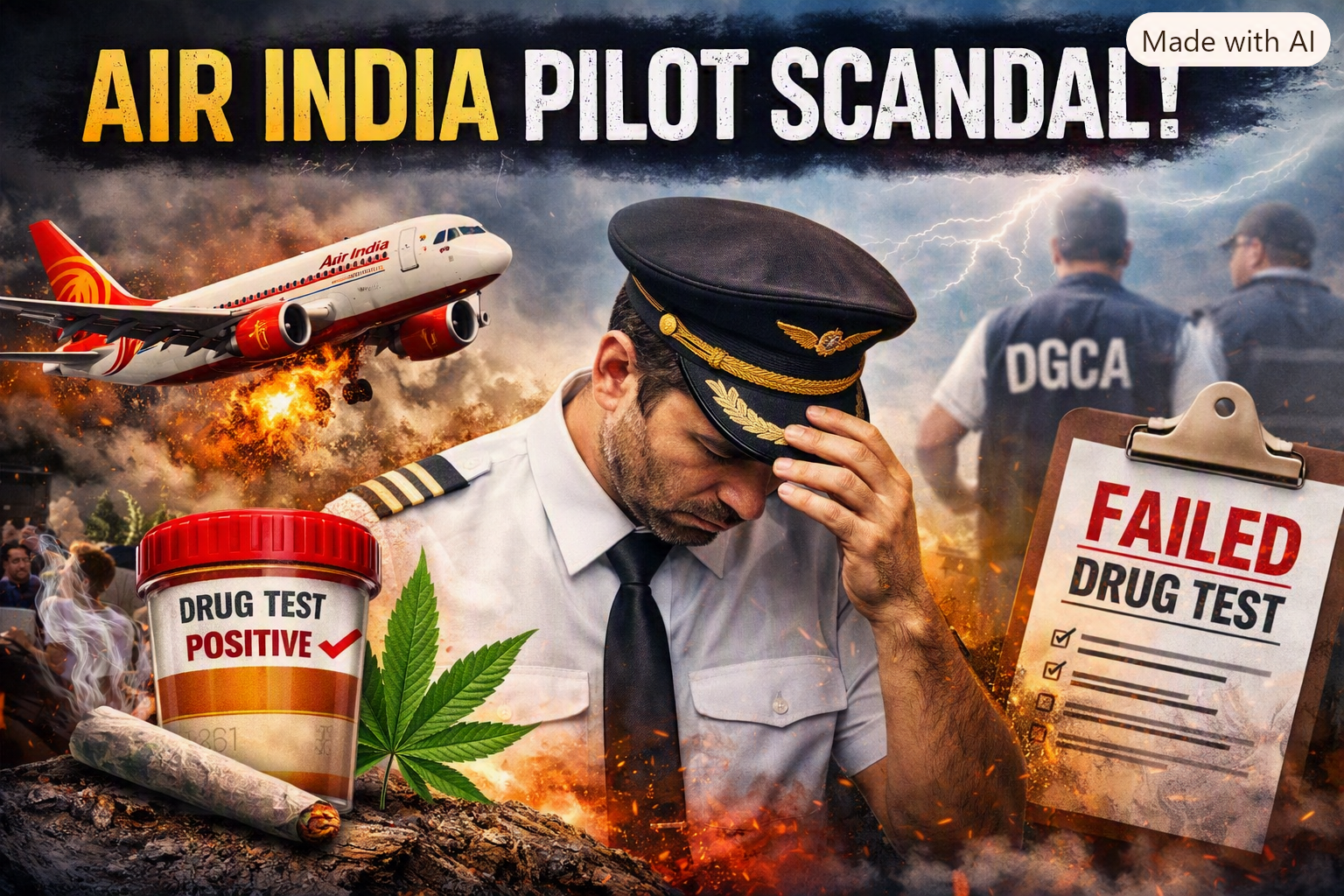
✈️ Chaos at 30,000 Feet
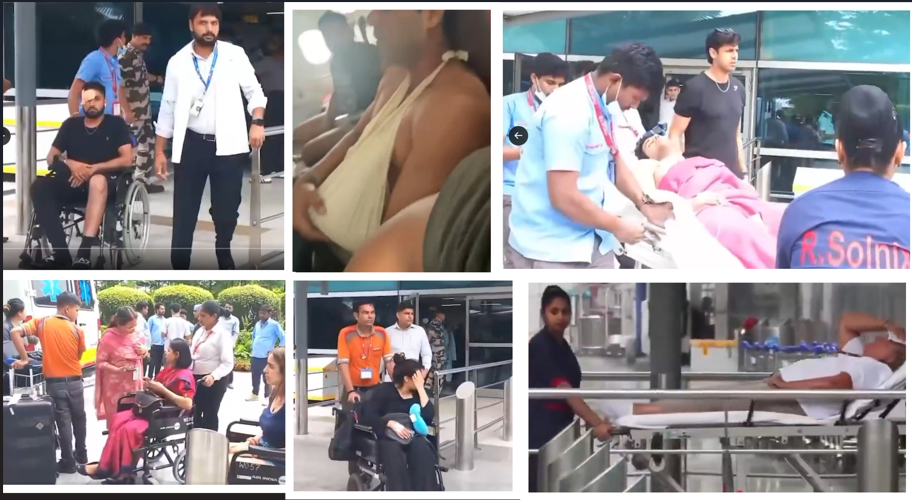
What began as a terrifying bout of turbulence on an Air India flight from Phuket to Delhi has now spiraled into a scandal that has shaken Indian aviation. The Airbus A320neo, carrying 137 passengers and 8 crew members, suddenly lost 300 feet of altitude, throwing the cabin into panic. Overhead panels fell, passengers without seatbelts were hurled into the roof, and several sustained injuries.
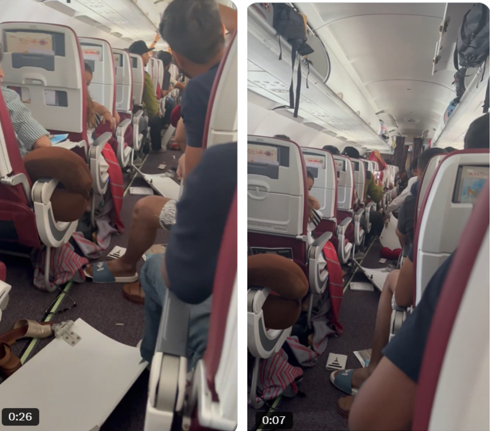
Initially, experts pointed to Clear Air Turbulence (CAT), an invisible, weather‑related phenomenon, as the culprit. But shocking revelations soon emerged.
🌿 Pilot Under the Influence: Second Test Confirms Cannabis Use
Post‑flight mandatory drug testing revealed that the pilot‑in‑command tested positive for marijuana (cannabis). While the first screening showed a “non‑negative” result, the confirmatory lab test left no doubt that the captain was under the influence of a psychoactive substance.
Passengers reported the pilot behaving abnormally: red eyes, leaving his seat repeatedly, even sitting on the cockpit floor. The co‑pilot was forced to take control during the altitude drop.
⚖️ Why This Is So Serious
Flying a commercial jet is not just a job; it’s a responsibility for hundreds of lives. Under the influence of drugs:
1. Judgment falters.
2. Reaction times slow.
3. Coordination suffers.
4. Perception alters.
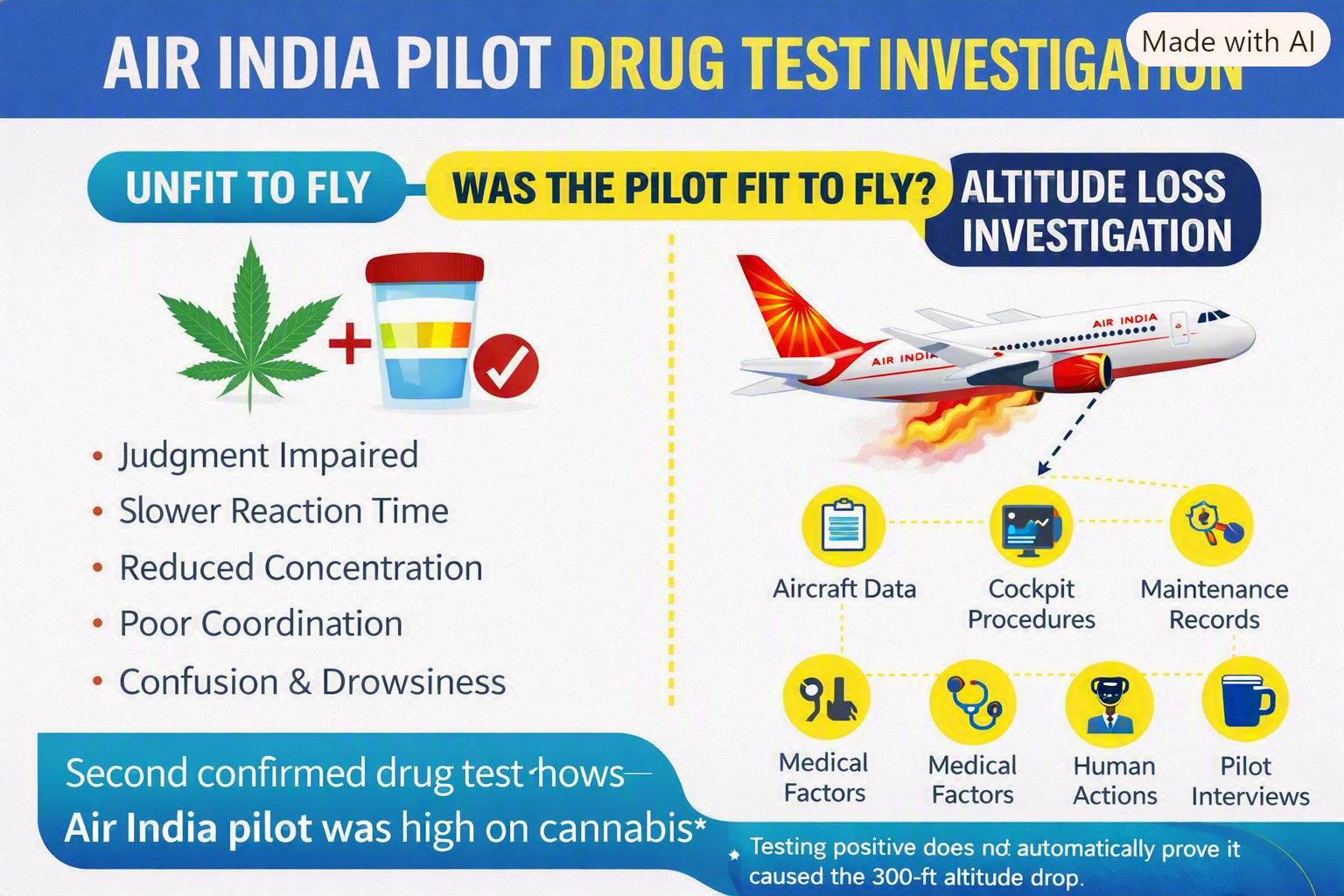
Even if cannabis was consumed days earlier, its compounds can remain detectable, complicating investigations. But the fact remains: a pilot must be medically and operationally fit before taking command.
🧪 What Exactly Is a Dope Test?
In aviation, a dope test simply means a drug screening — a crucial check to ensure pilots are free from psychoactive substances before taking command.
🍷 Breathalyser vs. Drug Test
A breathalyser only detects alcohol, while a drug test goes deeper, identifying substances like:
1. Marijuana or cannabis
2. Cocaine
3. Amphetamines
4. Opioids
5. Sedatives and other banned psychoactive drugs
✈️ Why It Matters
Under DGCA regulations, airlines must routinely test aviation personnel for substance use. These checks safeguard passenger lives and uphold the integrity of India’s skies.
🌍 Legal Abroad, But Not in the Cockpit
Even if cannabis is legal in some countries, a pilot flying under Indian aviation regulations cannot use that as an excuse. The Phuket–Delhi flight originated in Thailand, where marijuana laws are evolving, but legality there doesn’t override professional fitness‑to‑fly standards.
✈️ Safety Rules Trump Local Laws
A pilot’s duty is governed by aviation safety norms, not local freedoms. Saying “it was legal where I consumed it” doesn’t justify operating a commercial aircraft. The only question that matters: Was the pilot fit and compliant while performing safety‑critical duties?
🚫 Global Concern for Airlines
Airlines worldwide are increasingly worried about crew members consuming psychoactive substances during international layovers, especially in destinations like Thailand and Amsterdam, where cannabis is easily accessible.
📜 DGCA Rules & Government Response
India’s aviation regulator, DGCA, mandates drug testing after such incidents. A positive test doesn’t automatically mean permanent license cancellation, instead, a structured process follows:
1. Immediate removal from flying duties
2. Investigation and questioning
3. Possible rehabilitation programs
4. Disciplinary action by the airline (suspension or termination)
The Ministry of Civil Aviation has summoned Air India’s CEO and vowed zero compromise on passenger safety. Officials are reviewing drug‑testing regulations to tighten loopholes and ensure scientific accuracy.
🛡️ Safety Above All
Civil Aviation Minister Ram Mohan Naidu made it clear: aviation safety is non‑negotiable. After seeking a direct update from Air India, he stressed that no regulator, airline, or authority can afford compromise.

The AAIB has been tasked with delivering the final report, and Naidu urged patience until the investigation concludes, underscoring that protecting lives in the skies remains the ministry’s top priority.
scare. Air India pledged full cooperation with regulators as the investigation unfolds.
🌍 The Bigger Picture
While cannabis may be legal in countries like Thailand, pilots cannot consume it before flying. Aviation safety transcends local laws; the cockpit demands absolute clarity and responsibility.
This incident highlights the urgent need for stricter testing protocols, better monitoring, and uncompromising accountability in Indian aviation.
Final Takeaway
The turbulence was terrifying enough, but the revelation that the pilot was under the influence makes this incident truly shocking. It’s a wake‑up call for regulators, airlines, and passengers alike: safety in the skies cannot be negotiable.
✅ Your Turn: Speak Up for Safer Skies!
Do you think India needs stricter drug‑testing rules for pilots? Should airlines tighten crew monitoring during overseas stays? Share your thoughts in the comments below and spread awareness by sharing this blog. Passenger lives depend on vigilance, accountability, and uncompromising safety standards.
Get deeper insights into the incident by exploring our previous in‑depth blog here: https://mangalbhavana.com/article/air-india-phuket-delhi-flight-turbulence-incident
Written by
Niranjan MehtaDiscussion (0)
Sign in to join the discussion.
Loading comments…