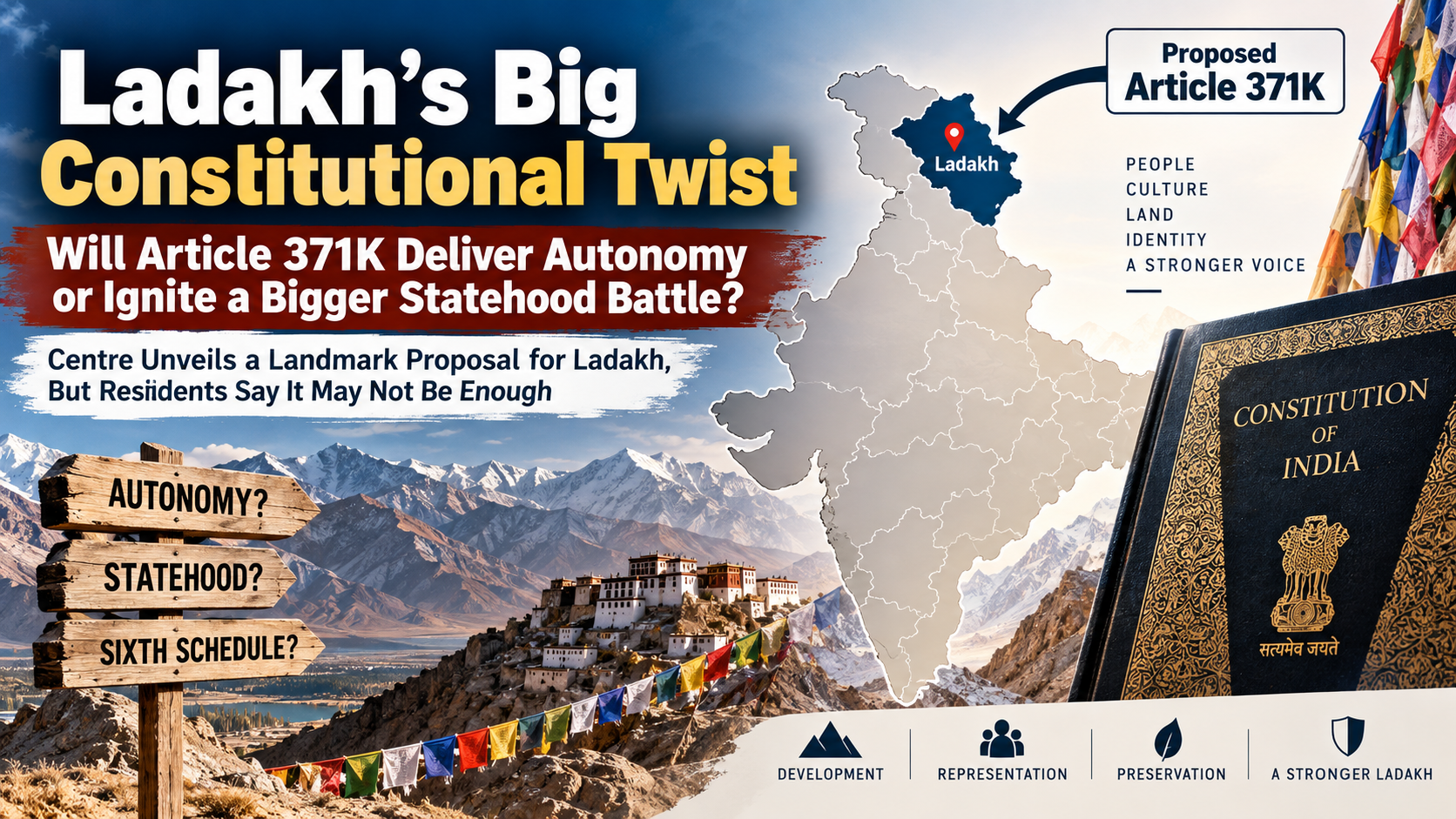
Centre Unveils a Landmark Proposal for Ladakh, But Residents Say It May Not Be Enough
Ever since the abrogation of Article 370 in 2019 and Ladakh’s transformation into a Union Territory, the region has been demanding greater political representation and constitutional safeguards. While calls for full statehood have repeatedly echoed across the Himalayas, the Central Government appears ready with a new solution: a special constitutional provision under a proposed Article 371K.
But will this move satisfy Ladakh’s aspirations, or will it deepen the demand for statehood and Sixth Schedule protections?
What Is the Government Proposing?
The Ministry of Home Affairs has reportedly proposed a new constitutional chapter under Article 371, specifically designed for Ladakh. The proposal aims to establish an elected representative body with legislative powers over key local issues, including:
1. Land management
2. Cultural preservation
3. Language protection
4. Forest governance
5. Environmental conservation
6. Certain natural resource matters
The idea is to provide Ladakh's residents with a stronger voice in decisions that directly affect their lives while maintaining the Union Territory framework.
Why Is Ladakh Demanding More Powers?
The issue dates back to August 2019. When Article 370 was revoked, Jammu & Kashmir and Ladakh were reorganized into separate Union Territories. However, there was a crucial distinction:
1. Jammu & Kashmir received a Legislative Assembly.
2. Ladakh did not.
As a result, Ladakh residents have long argued that they lack a democratically elected institutional mechanism to influence policy decisions affecting their land, culture, and future.
Civil society groups, activists, and local organizations have consistently maintained that direct public participation is essential, especially in a region as strategically sensitive and geographically unique as Ladakh.
Understanding Article 371: India’s Special Constitutional Shield
Article 371 is part of the Indian Constitution's provisions that grant special protections to specific states based on their historical, cultural, social, and geographical circumstances. Article 371 is not a single provision but a set of special constitutional safeguards, from Article 371A to Article 371J.
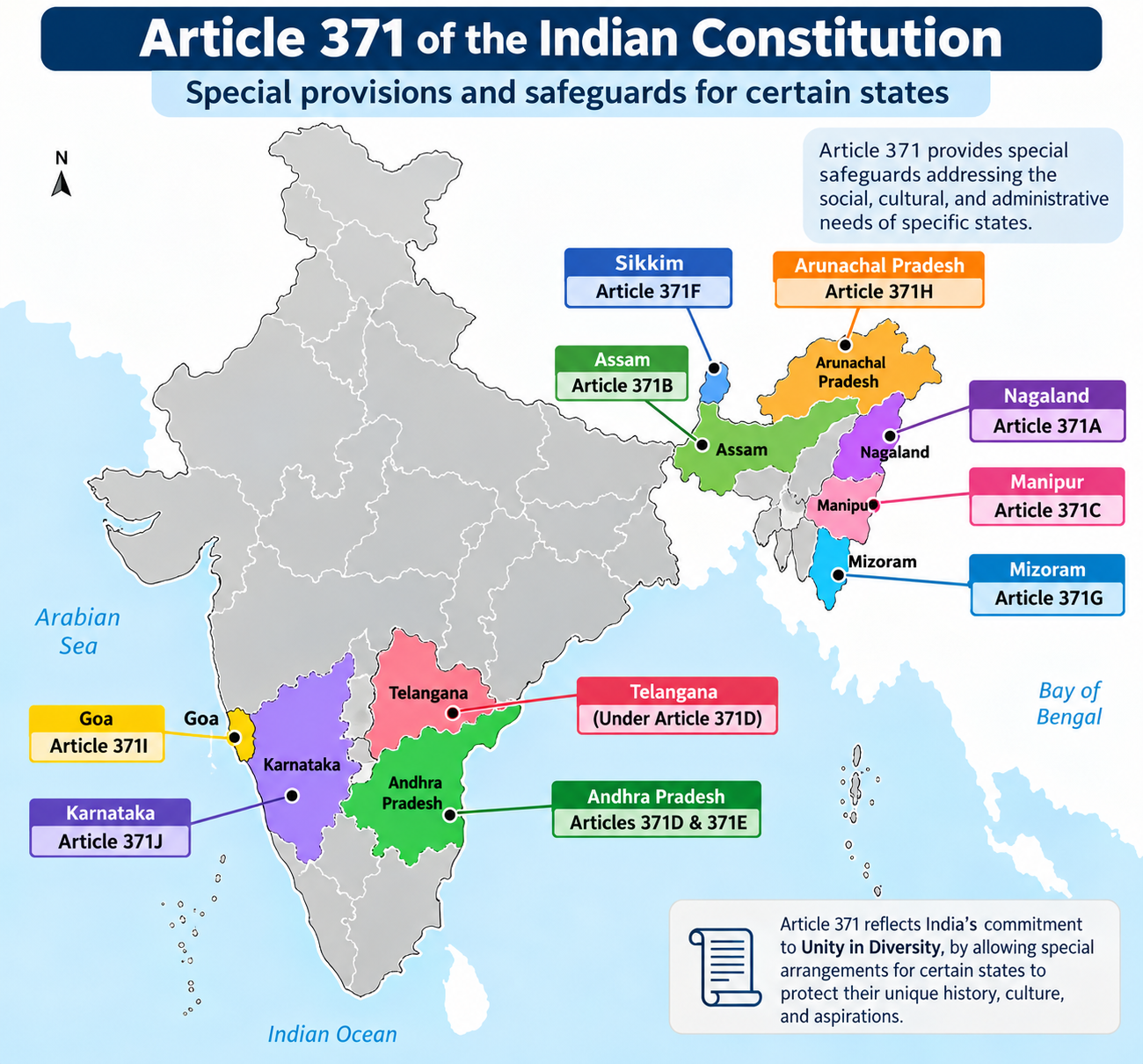
Various sub-sections under Article 371 currently provide special safeguards to states such as:
1. Nagaland – Article 371A
2. Assam – Article 371B
3. Manipur – Article 371C
4. Andhra Pradesh – Article 371D and Article 371E
5. Sikkim – Article 371F
6. Mizoram – Article 371G
7. Arunachal Pradesh – Article 371H
8. Goa – Article 371I
9. Karnataka – Article 371J
10. Telangana – Continues to benefit from provisions under Article 371D, originally enacted for the undivided Andhra Pradesh and applicable after the state's bifurcation.
These provisions protect local customs, traditional laws, cultural identities, land rights, and employment opportunities. Now, the Centre wants to extend a similar constitutional arrangement to Ladakh through a proposed Article 371K.
Why Article 371K Could Be a Game-Changer for Ladakh
Unlike existing provisions under Article 371, which are primarily reserved for Indian states, the proposed Article 371K is being designed specifically for Ladakh, a Union Territory. If implemented, it could introduce a unique constitutional framework that gives local communities a greater role in governance while addressing Ladakh's distinct challenges.
A One-of-a-Kind Governance Model
Policy experts describe the proposal as a potential "sui generis" model, meaning a system specially crafted for a unique situation rather than following a conventional state or Union Territory structure.
Ladakh's unique blend of strategic significance, cultural diversity, tribal heritage, and environmental sensitivity sets it apart from any other region in India. However, the absence of a legislative assembly has increasingly fueled calls for greater democratic participation and local control over key decisions affecting the region's future.
Why Ladakh Is Different From Other Union Territories
Ladakh is unlike any other region in India. It faces unique challenges, including:
✅ Strategic international borders
✅ Sparse and scattered population
✅ Difficult mountainous terrain
✅ Predominantly tribal communities
✅ Fragile Himalayan ecosystem
✅ Limited cultivable land
Because of these extraordinary circumstances, policymakers are exploring a governance model that balances national security concerns with local representation. Many believe that neither a traditional state model nor a standard Union Territory framework fully addresses Ladakh's governance needs. Article 371K could therefore emerge as a custom-built constitutional solution that balances national interests with local aspirations.
Notably, if implemented, Ladakh would become the first Union Territory to receive a special constitutional provision under Article 371, making it a significant constitutional experiment.
What Powers Could the New Elected Body Receive?
1. Land Protection
Land remains one of Ladakh’s biggest concerns. Local communities fear that rapid infrastructure development, tourism expansion, and external investments could alter traditional land-use patterns and affect sensitive ecological zones.
The proposed body could gain authority over land-related decisions, helping locals safeguard their interests.
2. Culture and Language Preservation
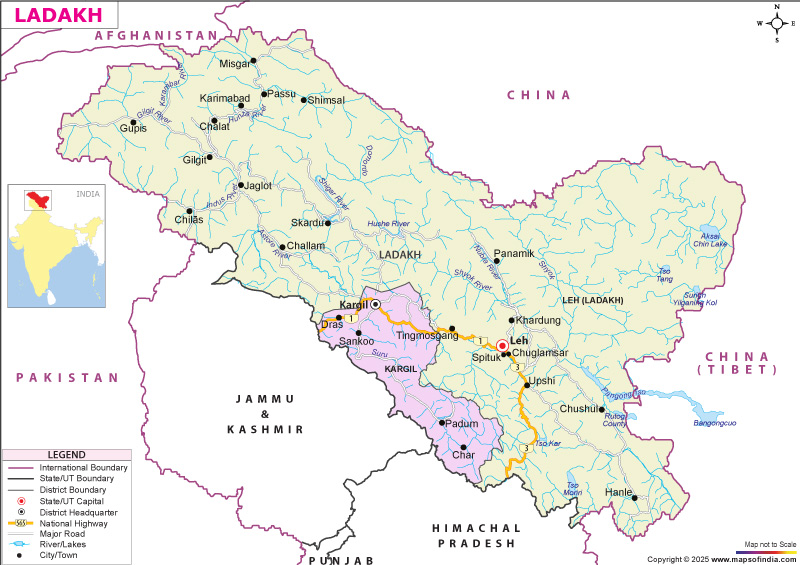
Ladakh is home to diverse cultural traditions. Leh is largely associated with Buddhist cultural heritage, while Kargil has a Shia Muslim majority population. Both regions share concerns about preserving Ladakhi identity, linguistic heritage, and traditional customs.
The proposed framework could empower locally elected representatives to protect these unique cultural features.
3. Environment and Forest Governance
Environmental protection has become a major issue, especially with activist Sonam Wangchuk repeatedly warning about the vulnerability of the Himalayan ecosystem. Many locals believe large-scale development projects must be carefully regulated to prevent irreversible ecological damage.
An empowered local body could play a decisive role in environmental oversight.
The Critical Question: Who Will Hold the Real Power?
This is where the debate intensifies. While the proposed Article 371K may provide certain legislative powers, many Ladakh residents remain sceptical. Their key question is simple: Will the elected body have meaningful authority, or will ultimate control continue to rest with the Lieutenant Governor, the President, and the Central Government?
If major decisions still require central approval, critics argue that the new framework may offer symbolic representation rather than genuine autonomy.
Why Many Residents Want Statehood Instead
Several organizations, including the Leh Apex Body (LAB) and the Kargil Democratic Alliance (KDA), have united around broader demands.
Their primary demand is full statehood. Statehood would provide:
1. Greater legislative powers
2. Control over subjects listed in the State List
3. More political autonomy
4. Enhanced democratic accountability
For many Ladakhi’s, Article 371K is viewed as a partial solution, not the final answer.
The Bigger Demand: Sixth Schedule Status
Beyond statehood, another major demand has gained momentum: inclusion under the Sixth Schedule of the Constitution. The Sixth Schedule currently provides special protections to tribal regions in states such as:
1. Assam
2. Meghalaya
3. Tripura
4. Mizoram
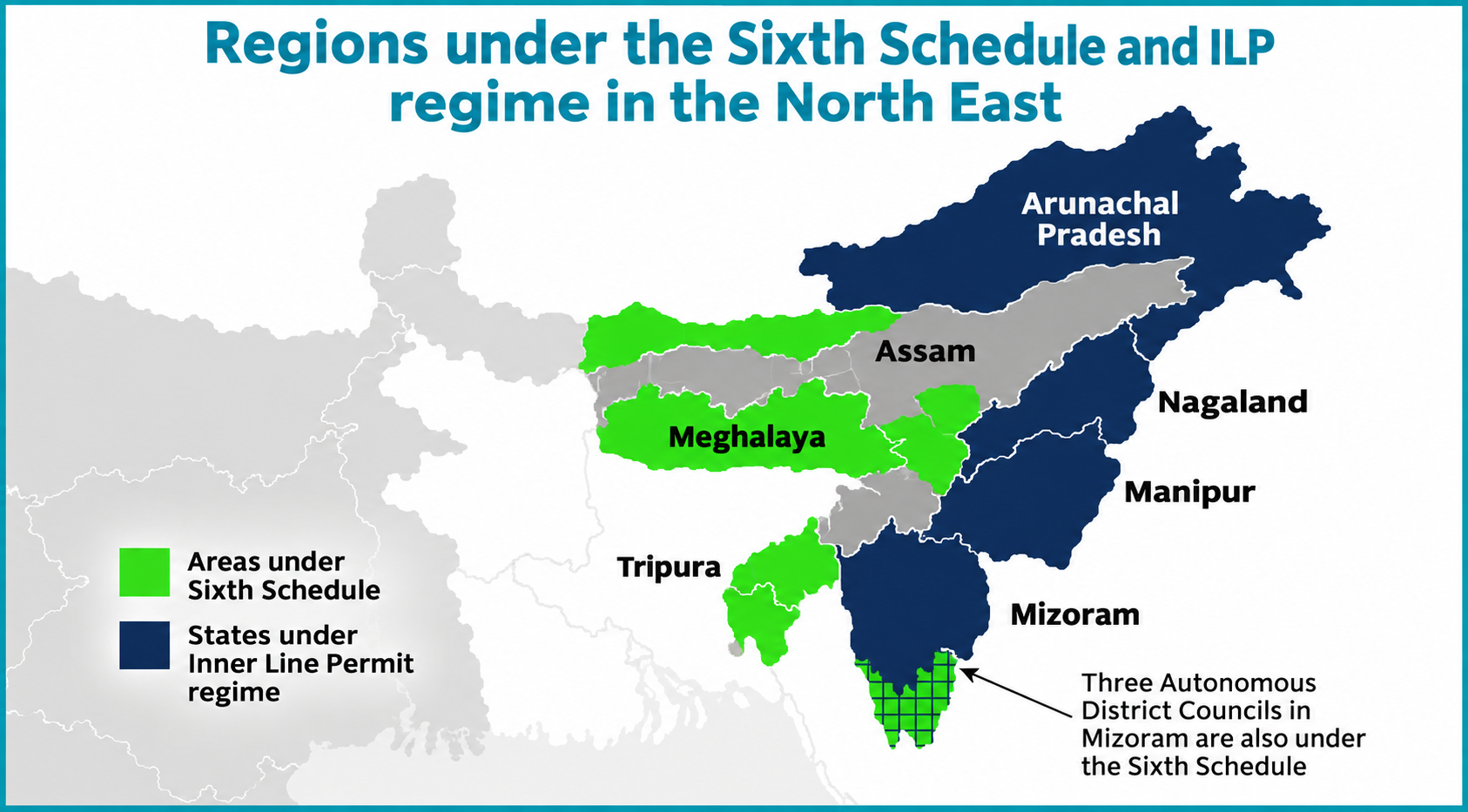
Under this framework, Autonomous District Councils can exercise substantial powers over land, forests, customary laws and local governance. Supporters argue that Sixth Schedule protections would provide constitutionally guaranteed autonomy that cannot be easily altered by future governments.
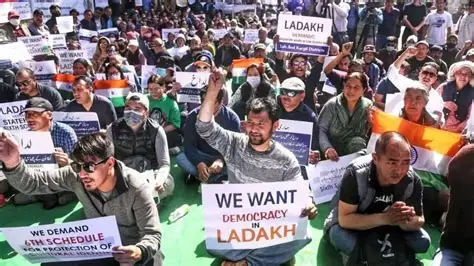
For many in Ladakh, this remains a more attractive option than Article 371K.
Can the New Proposal End the Agitation?
The answer remains uncertain. While the proposed Article 371K represents the Centre's most significant attempt yet to address Ladakh's concerns, many residents continue to seek stronger constitutional guarantees.
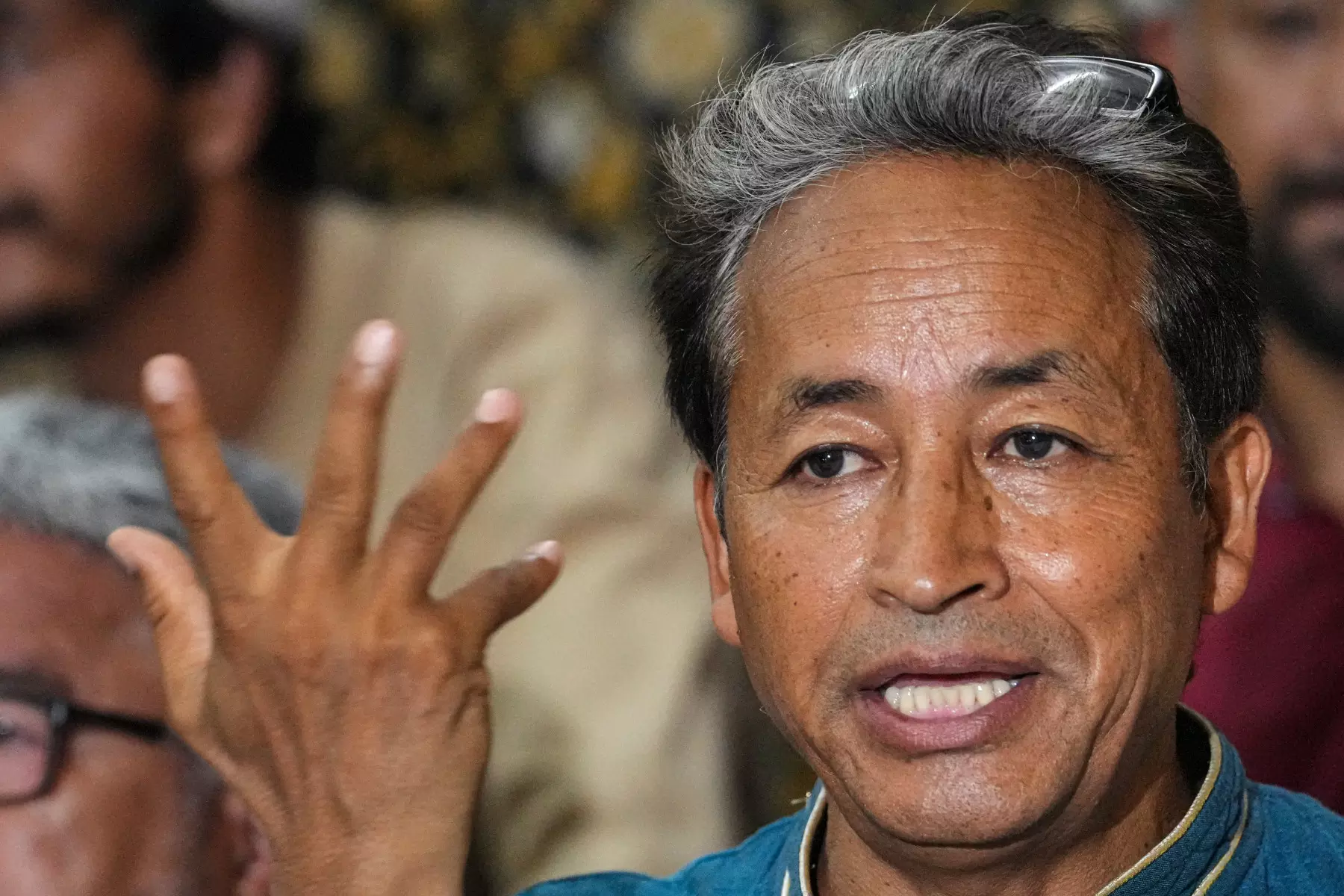
Activist Sonam Wangchuk and several local groups have already signaled that protests could intensify if their core demands for statehood and Sixth Schedule protections remain unaddressed.
The coming months may determine whether Article 371K becomes a historic compromise or merely another chapter in Ladakh's ongoing autonomy movement.
Will Article 371K Be Enough?
The proposed Article 371K could transform Ladakh's governance structure by giving local representatives greater control over land, culture, and environmental issues. However, the real test will be the extent of powers transferred and whether they meet the region's long-standing aspirations for self-governance.
For now, Ladakh stands at a constitutional crossroads: special status, statehood, or something even more autonomous?
What Do You Think?
Should Ladakh accept the proposed Article 371K, or should it continue pushing for full statehood and Sixth Schedule status?
Share your views in the comments and join the discussion.
The debate over Ladakh's future is far from over. Keep exploring our featured blogs for the latest updates, expert perspectives, and deep dives into the constitutional, political, and geopolitical issues shaping the region today.
Pakistan Shocked: Ladakh’s Glacier Revolution Diverts 90 Million Liters Daily from Indus River Flow: https://mangalbhavana.com/article/pakistan-shocked-ladakh-glacier-revolution-diverts-water
Written by
Kartikeya RaoDiscussion (0)
Sign in to join the discussion.
Loading comments…