
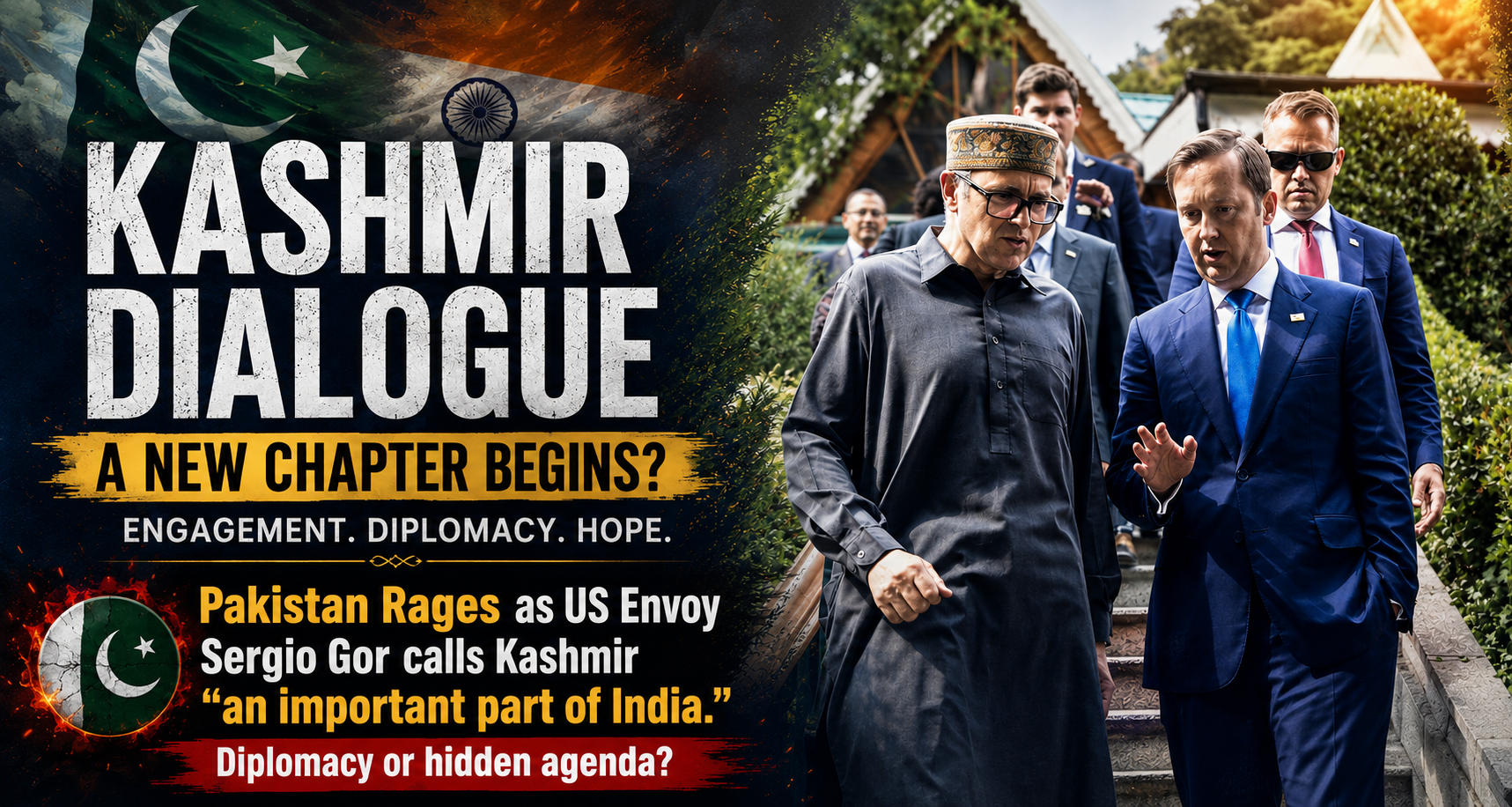
A Bold Remark in Srinagar
U.S. Ambassador to India, Sergio Gor, stirred headlines during his recent visit to Jammu & Kashmir when he declared that “Kashmir is an important part of India.”
For many in India, this sounded like long‑awaited validation. But across the border, Pakistan reacted with fury, summoning the U.S. envoy in Islamabad and issuing a formal démarche to protest the statement.
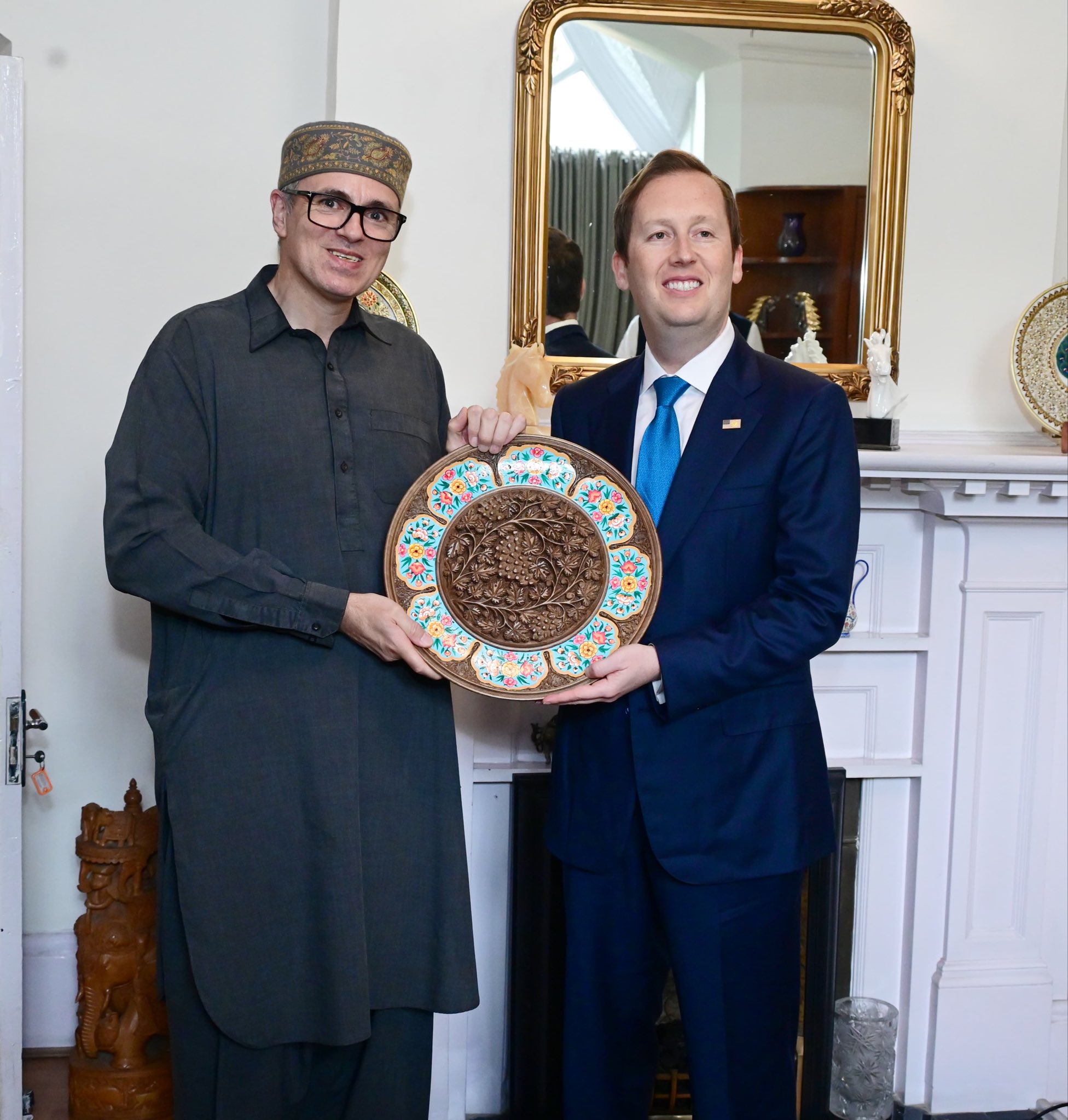
📜 Demarche: A Formal Diplomatic Protest
A demarche is diplomacy’s official way of saying “we object.” It’s a formal communication between governments to register protest or disagreement, without cutting ties.
So, when Pakistan issued a demarche to the U.S. over Sergio Gor’s Kashmir remarks, it wasn’t breaking relations; it was signaling a serious objection. Stronger than a media statement, but far lighter than expelling diplomats or suspending ties, a demarche is diplomacy’s middle ground: firm protest, continued dialogue.
Why This Matters
India’s stance has always been clear: Jammu & Kashmir is an integral part of India, and any issues will be resolved bilaterally with Pakistan.
Pakistan’s narrative hinges on keeping Kashmir “disputed” and inviting international intervention.
America’s history has been inconsistent, supporting dialogue, opposing terrorism, but rarely making such direct acknowledgements.
So, when a U.S. ambassador uses language this strong, it sends a global diplomatic signal that both New Delhi and Islamabad cannot ignore.
⚔️ India–Pakistan Flashpoint
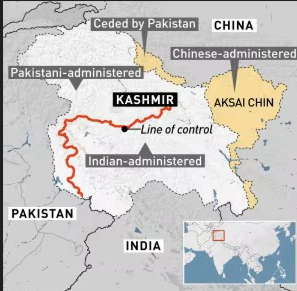
Sergio Gor’s visit to Kashmir came at a delicate moment. The J&K region remains highly volatile after the May 2025 military flare‑up, triggered by the Pahalgam attack and India’s swift counterstrike under Operation Sindoor. This escalation has kept Kashmir firmly in the spotlight as a strategically sensitive zone.
While Trump claimed U.S. mediation halted escalation, India rejected that narrative, insisting the conflict was managed on its own terms. Against this backdrop of mistrust and geopolitical sensitivity, Gor’s timing carried unmistakable diplomatic weight.
🔥 The Pahalgam Shockwave
The Pahalgam attack shattered Kashmir’s image, tourism collapsed, businesses struggled, and global perception turned bleak. U.S. travel warnings deepened the insecurity, but Sergio Gor’s recent praise for improved safety hints at a possible review, a shift that could carry real economic weight.
🌐 Travel Advisories: Silent Power Plays
Travel warnings go far beyond safety; they reshape economies and diplomacy. Strict advisories dry up tourism, raise insurance costs, and deter investors, while easing them signals confidence in the region’s security.
The Bigger Picture
This statement doesn’t exist in isolation. It comes at a time when:
Washington is pushing for a trade deal with India, wary of losing ground to Europe and the UK.
India and the U.S. are deepening cooperation in defense, technology, and strategic affairs.
America still needs Pakistan for Afghanistan, counter‑terrorism, and regional stability.
Which means today’s supportive words for India could be followed tomorrow by criticism on human rights or civil liberties in Kashmir.
⚡ Pakistan’s Outrage
Pakistan’s government wasn’t just unhappy; it was alarmed. The fear? That this could evolve into a permanent U.S. position. Hence the strong protest, the diplomatic summons, and the fiery rhetoric in Islamabad.
For Pakistan, Kashmir is not just territory; it’s the core of its national narrative. Any shift in global perception threatens that foundation.
🗣️ Omar Abdullah: “No Complaints to Washington”
Ahead of his meeting with U.S. Ambassador Sergio Gor, Jammu & Kashmir Chief Minister Omar Abdullah drew a clear line. On the unresolved reservation issues, he told the media: “Our challenges are ours to resolve. They won’t be fixed in Washington, but by our own government. I don’t carry complaints to foreign envoys.”
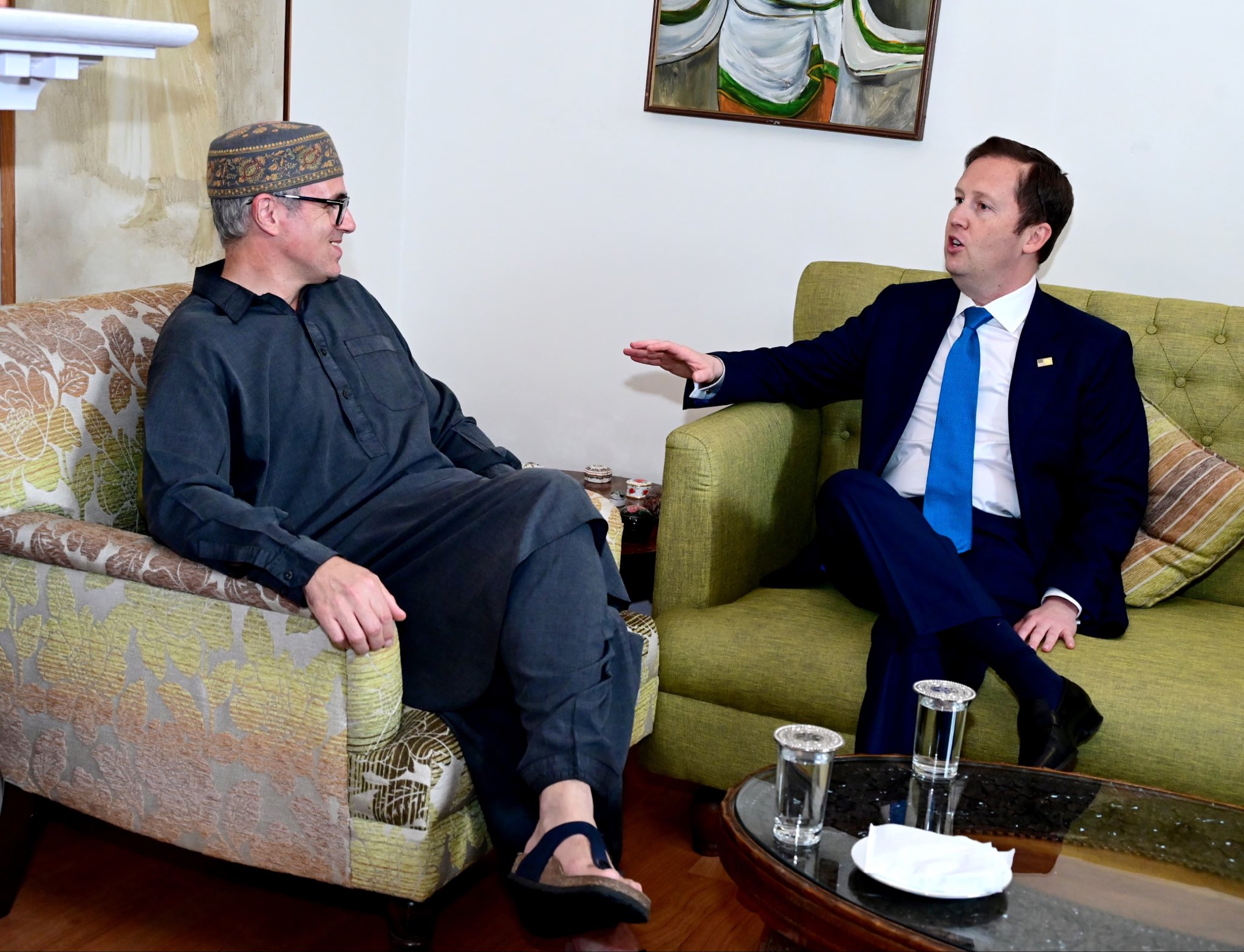
By distancing Kashmir’s internal matters from international mediation, Abdullah reinforced New Delhi’s long‑standing position: India’s issues are settled in India, not outsourced abroad. His words set the tone for a meeting that was diplomatic in nature but firmly rooted in sovereignty.
🧭 India’s Takeaway
While India welcomes such recognition, the lesson is clear:
Celebrate the statement, but don’t assume it’s permanent.
Use this moment to strengthen India’s global narrative.
Stay alert to America’s shifting tones, because diplomacy is often about signals, not commitments.
India must turn this moment into momentum, project Kashmir’s integrity worldwide, harness U.S. goodwill for trade and strategy, yet tread carefully, knowing Washington’s stance can shift with geopolitics.
👉 What do you think - was this a genuine show of support, or a tactical move in America’s larger game? Share your thoughts and let’s spark the debate.
✨ Want deeper insights into the latest J&K developments? Dive into our recent blogs for sharp analysis, fresh perspectives, and untold stories shaping the valley today: https://mangalbhavana.com/article/kashmir-reservation-storm-genz-uprising
Written by
Devansh KaulDiscussion (0)
Sign in to join the discussion.
Loading comments…