
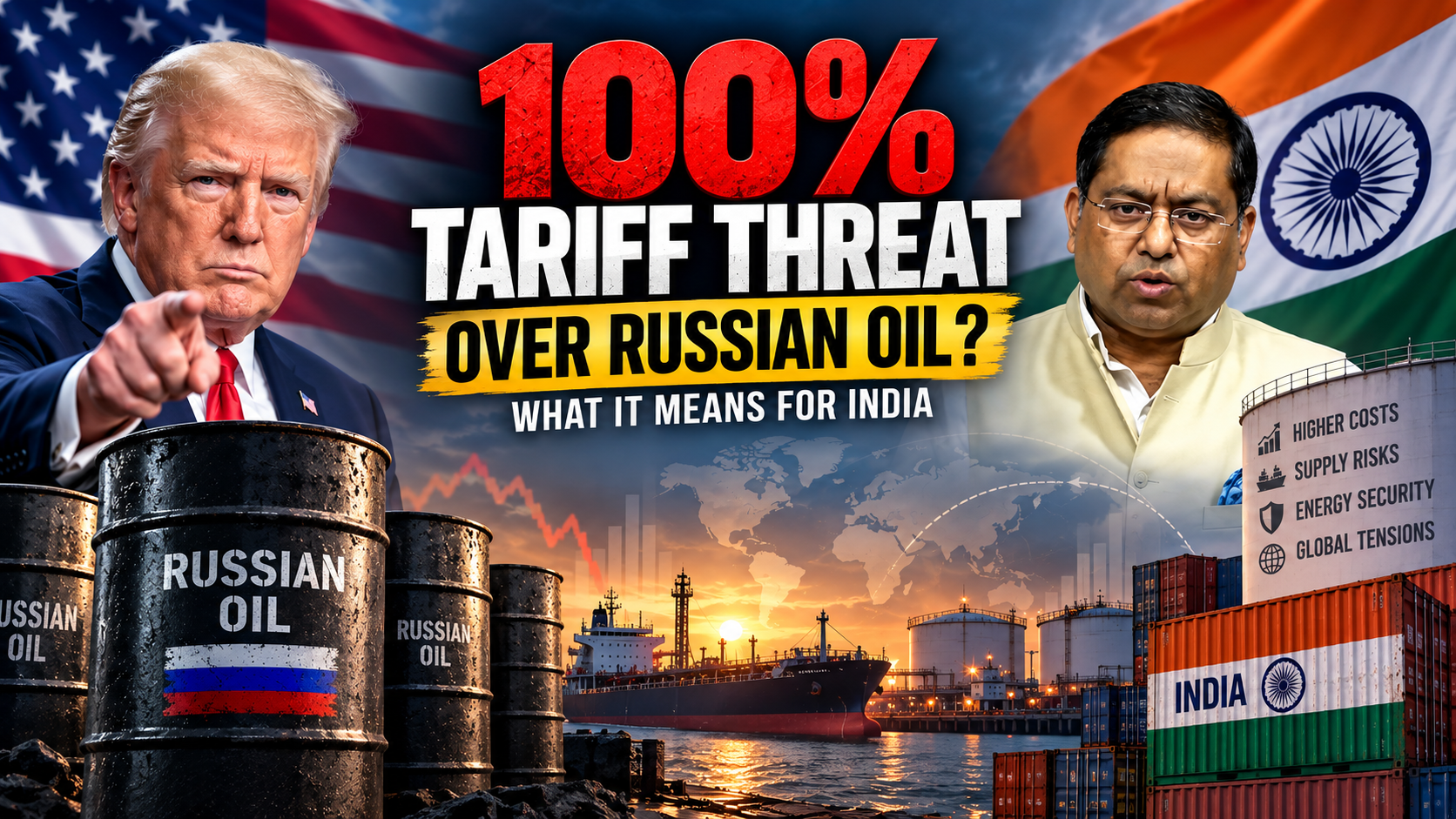
🚨 Can India withstand the latest global oil shock? A damaged Saudi pipeline, tightening global oil supplies, and growing geopolitical tensions are putting India's energy future under pressure.
India's energy security is facing a new geopolitical challenge. Reports suggest that Saudi Aramco, the world's largest oil producer, has informed Indian refiners that it may not be able to fulfill certain long-term crude oil supply commitments until further notice.
At first glance, this may appear to be a diplomatic fallout between India and Saudi Arabia. However, the reality is far more complex. A combination of Middle East security threats, damaged oil infrastructure, rising global crude prices, uncertainty surrounding Russian oil supplies, and mounting pressure from the United States is creating fresh concerns for India's energy future.
So, what exactly is happening, and how serious is the situation for India?
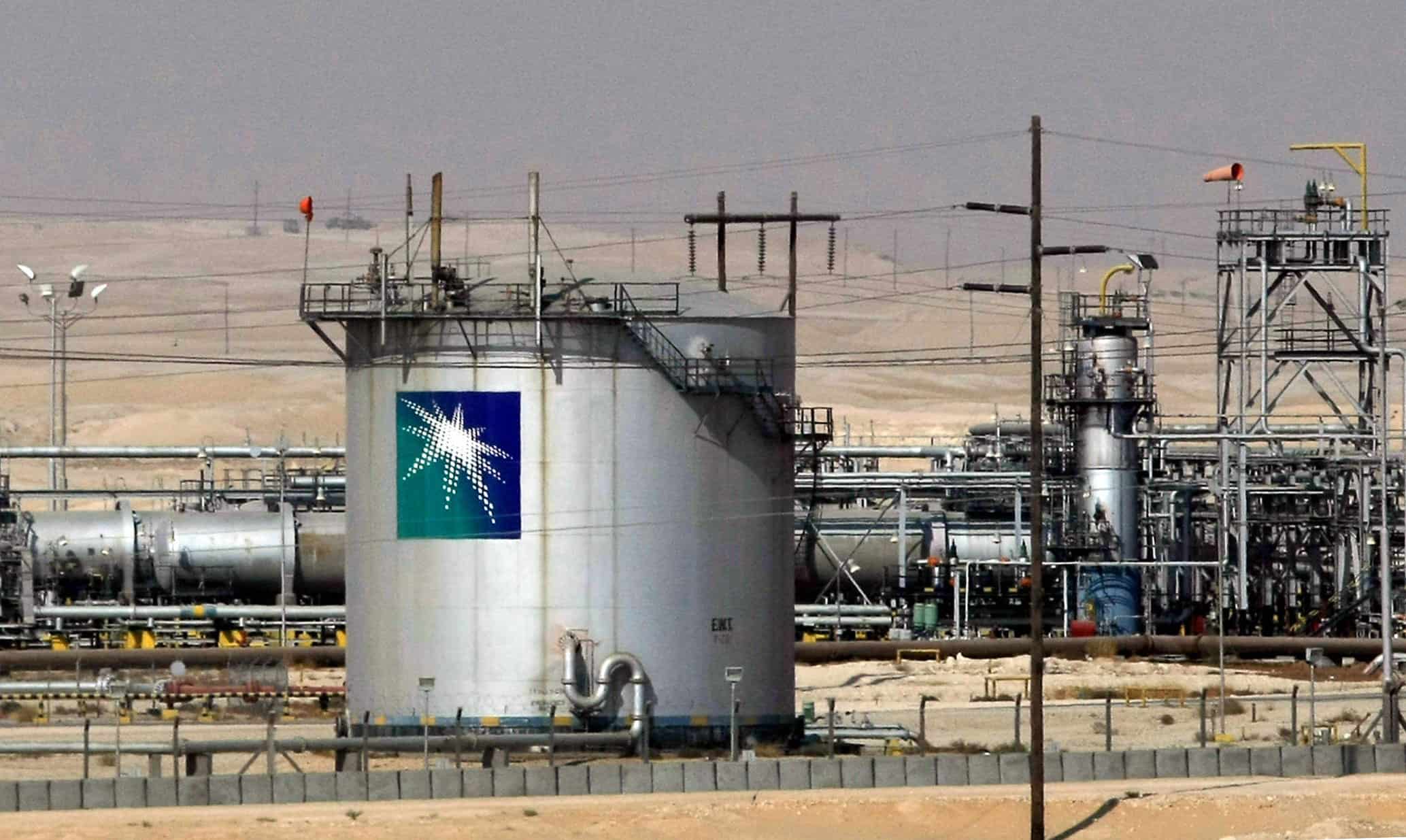
Why Has Saudi Arabia Stopped Supplying Oil to Indian Refiners?
The issue is not that Saudi Arabia has run out of oil. Saudi oil production continues as usual. The real problem lies in transporting crude oil safely from production sites to export terminals. 👉 Drone Strikes Hit Saudi Oil Lifeline, Sparking Fresh Global Energy Fears.
Saudi Aramco reportedly informed Indian refiners that it cannot currently fulfill some long-term supply contracts due to disruptions in key transportation routes. This is primarily a logistics and security challenge rather than a permanent cut in supplies. In other words, Saudi Arabia is facing difficulties in moving oil, not producing it.
The Strategic Pipeline at the Center of the Crisis
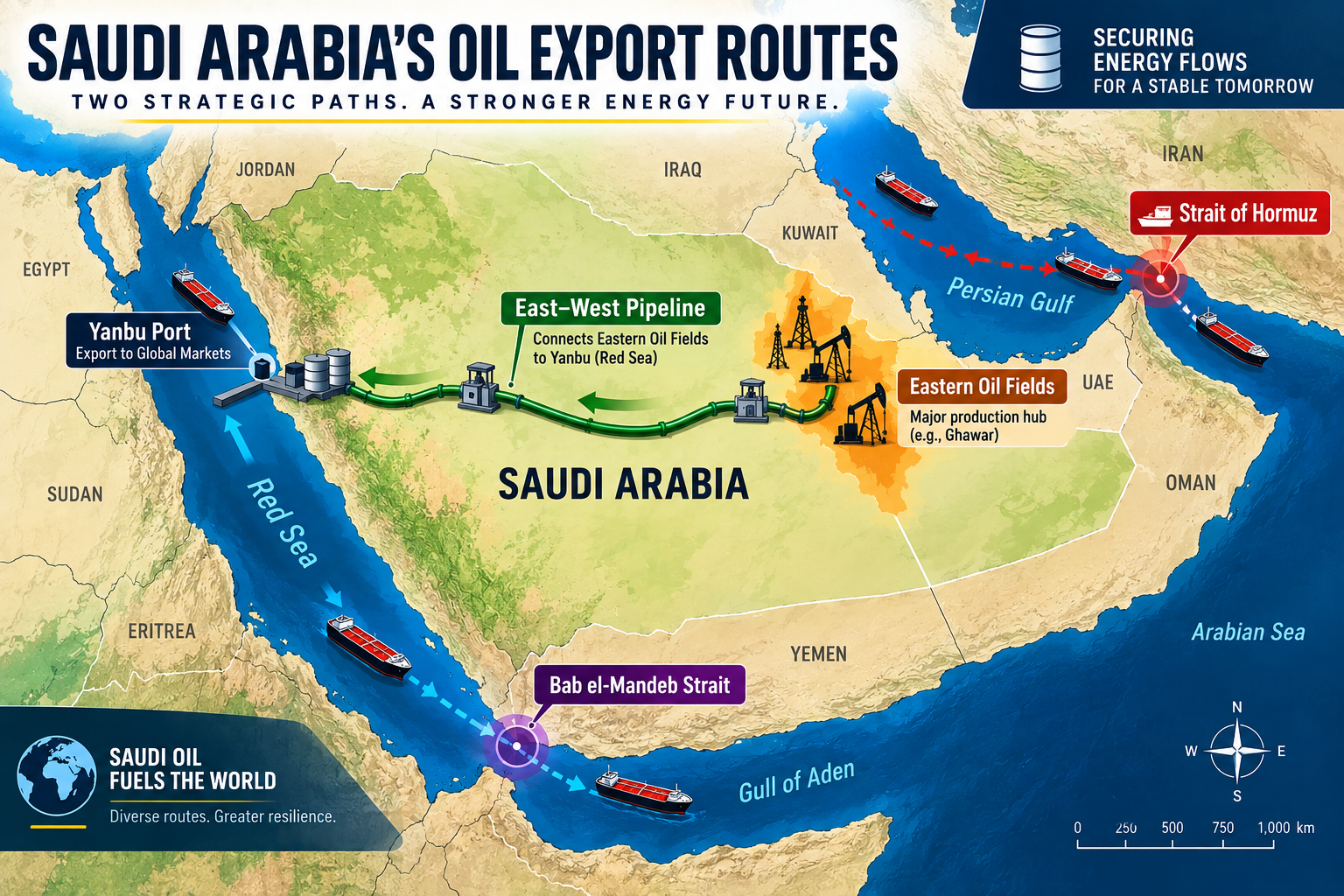
To understand the problem, one must first understand Saudi Arabia's oil geography. Most Saudi oil is produced on the kingdom's eastern coast. Traditionally, shipments destined for Asian markets travel through the Strait of Hormuz, one of the world's most important energy chokepoints.
However, growing regional tensions and maritime threats have made Hormuz increasingly risky for oil transportation. To bypass this risk, Saudi Arabia relies on its strategically important East-West Pipeline, which stretches approximately 1,200 km across the country. The pipeline transports crude oil from eastern oil fields to the Red Sea port of Yanbu on the western coast.
From Yanbu, oil can be shipped through the Bab-el-Mandeb Strait and onward to Asian markets, including India. This route became Saudi Arabia's insurance policy against disruptions in the Gulf.
Unfortunately, that backup system has now come under attack.
Houthi Drone Attacks Trigger Massive Supply Concerns
Recent drone attacks launched by Yemen's Houthi rebels reportedly targeted multiple sections of Saudi Arabia's East-West Pipeline.
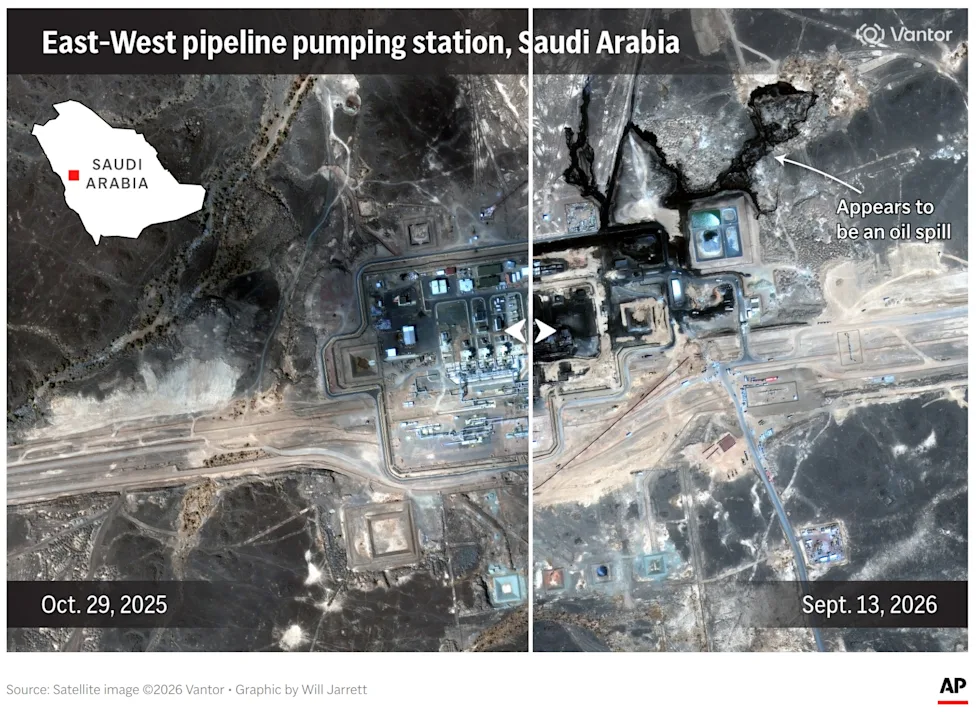
The attacks damaged critical infrastructure and created operational challenges for authorities attempting to maintain normal oil flows. As repairs and security assessments continue, the full extent of the disruption remains uncertain.
This has significantly reduced Saudi Arabia's flexibility to redirect oil exports away from the Strait of Hormuz and has complicated deliveries to key importers such as India. The biggest concern is not the production of crude oil itself but the inability to move large volumes efficiently and safely.
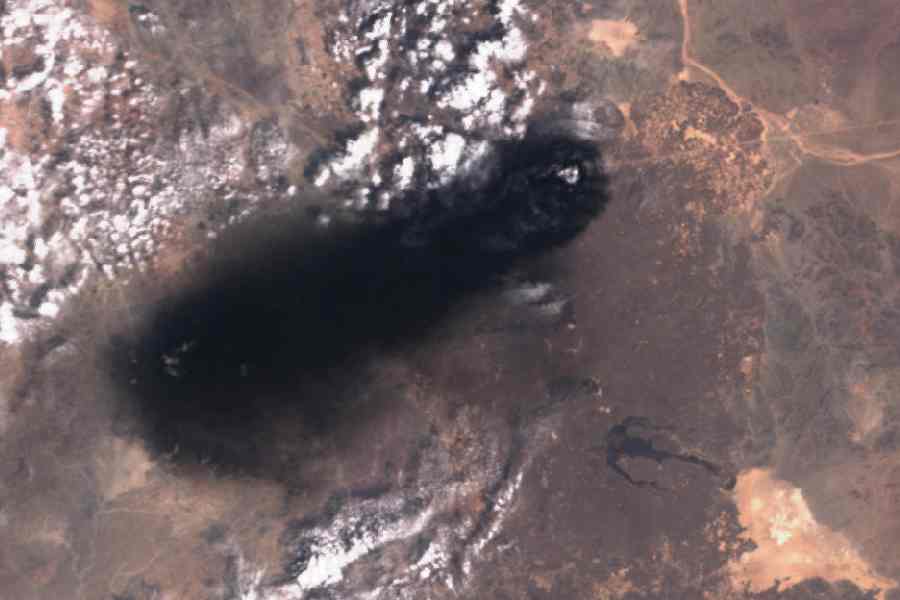
Satellite images showed a massive column of black smoke emerging from the East-West oil pipeline south of Medina, underscoring the vulnerability of Saudi Arabia's critical energy infrastructure.
Can India Simply Buy Oil From Someone Else?
Technically, yes.
Practically, it is much more difficult.
India imports roughly 4.7 million barrels of crude oil per day, while Saudi Arabia contributes only a fraction of that volume. Therefore, replacing Saudi barrels is theoretically possible.
However, the challenge lies in the cost. When a major supplier experiences disruptions, buyers rush to alternative markets. This creates intense competition among countries searching for replacement cargoes.
As demand increases and available supplies tighten, prices naturally surge. Several reports indicate that Indian refiners are currently paying substantially more than they were just a few weeks ago for alternative crude supplies.
So the issue isn't availability alone. The real question is: How much more will India have to pay?
Why Spot Market Purchases Could Hurt Indian Refiners
Another complication is Saudi Arabia's growing preference for selling available cargoes in the spot market. Long-term contracts generally provide predictable pricing and assured supplies. Buyers and sellers agree on volumes and pricing mechanisms in advance.
Spot purchases work differently. Oil is sold at prevailing market prices, which can spike dramatically during periods of uncertainty.
With global crude already trading at elevated levels, refiners forced into the spot market may face significantly higher procurement costs. For Indian companies, this translates into higher operational expenses and potential pressure on fuel prices.
The Russian Oil Factor: India's Backup Plan Faces Challenges
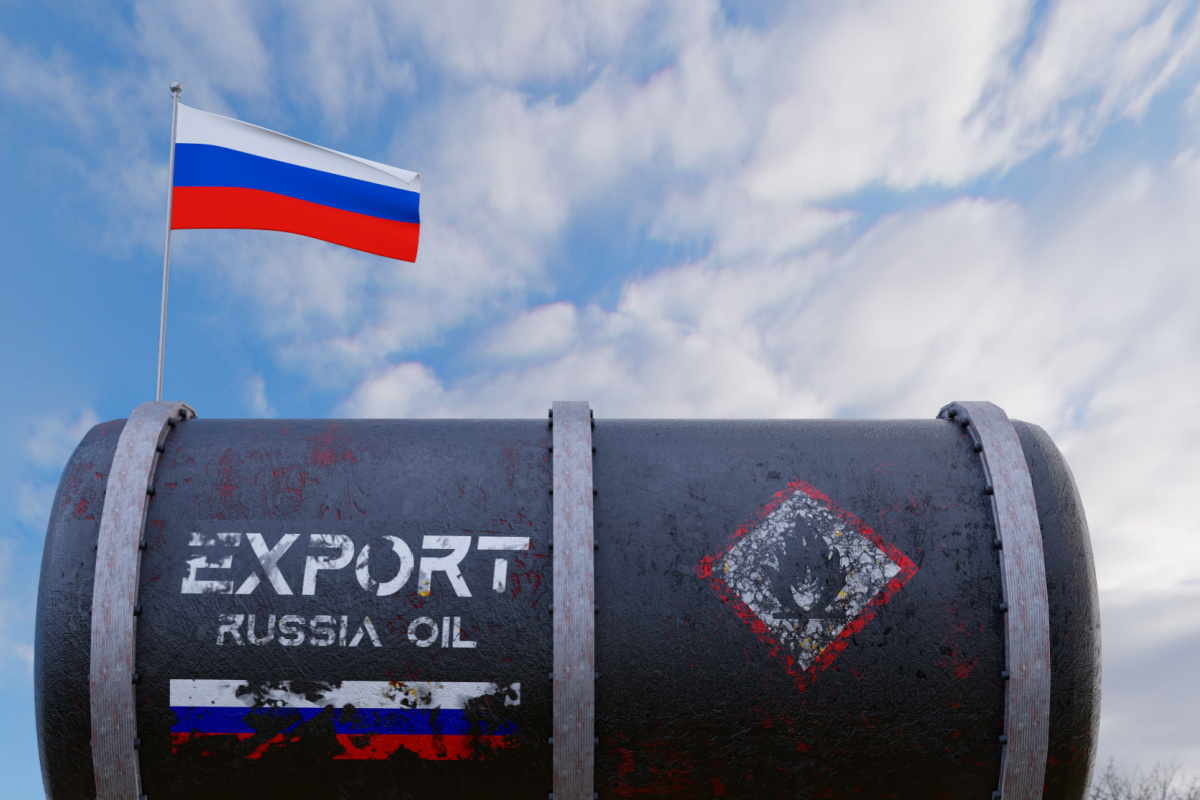
Since 2022, Russia has emerged as India's largest crude oil supplier. Discounted Russian oil helped Indian refiners reduce costs and maintain stable imports despite global turmoil.
But that advantage is becoming less certain. The deep discounts that once made Russian crude highly attractive have narrowed. Additionally, logistical challenges, sanctions-related complexities, and evolving geopolitical pressures continue to create uncertainty around future supplies.
As a result, India now faces a difficult balancing act:
1. Saudi supplies are disrupted.
2. Middle East shipping routes remain risky.
3. Russian oil faces growing political and economic pressures.
4. Global crude prices remain elevated.
Together, these factors are creating a challenging environment for one of the world's largest energy consumers.
The US Tariff Threat Adds Another Layer of Pressure
The story does not end with oil. The United States has intensified discussions around measures aimed at countries purchasing Russian energy.
Political voices in Washington have pushed for stronger economic pressure on Russia by targeting nations that continue to import Russian oil and gas. This has raised concerns that major buyers such as India and China could eventually face punitive trade measures.
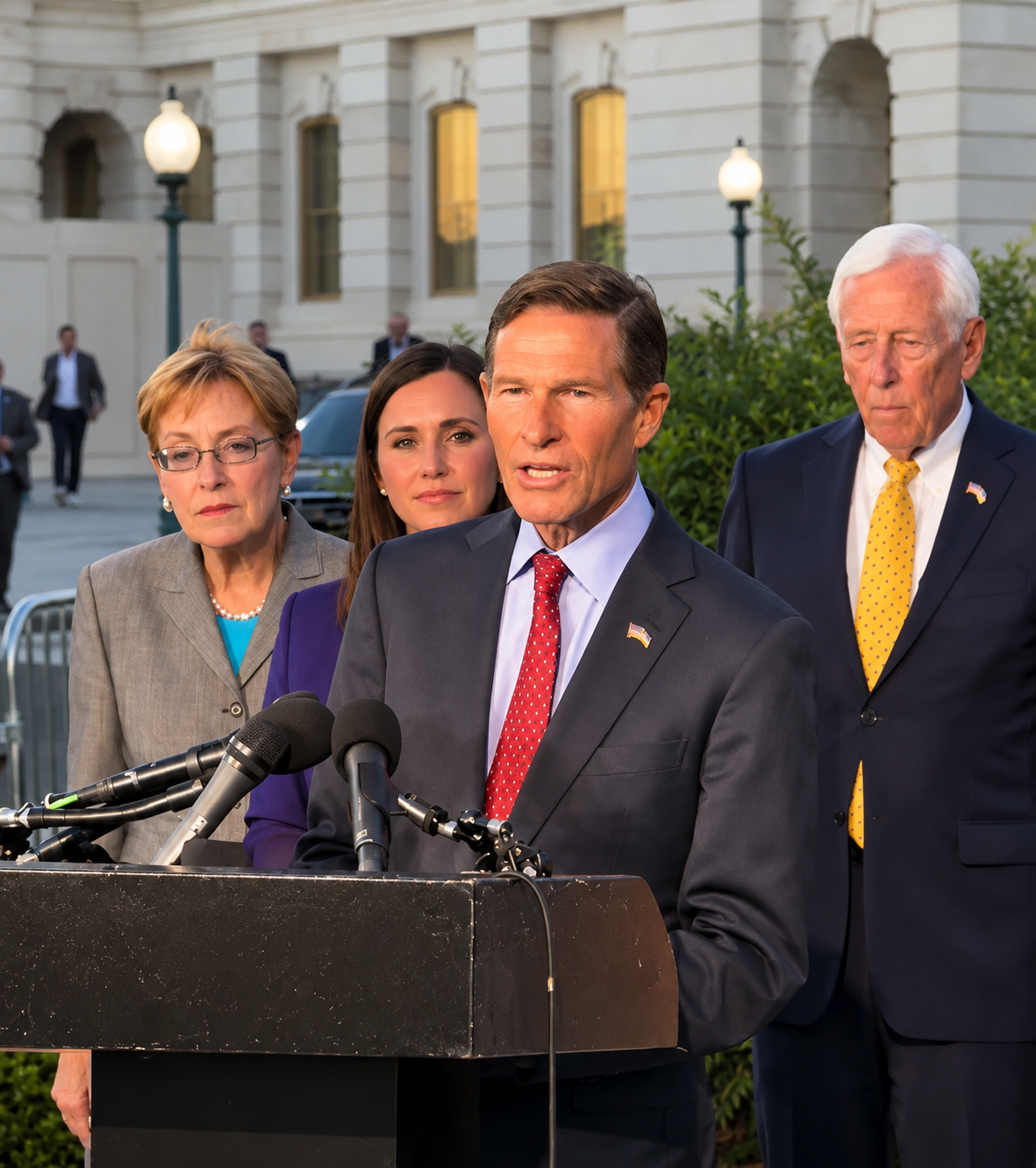
US Senator Blumenthal took a tough stance on India and China’s Russian energy imports, stating, “You need to clean up your act. Buy your oil and gas elsewhere. Appeasement is not a strategy.”
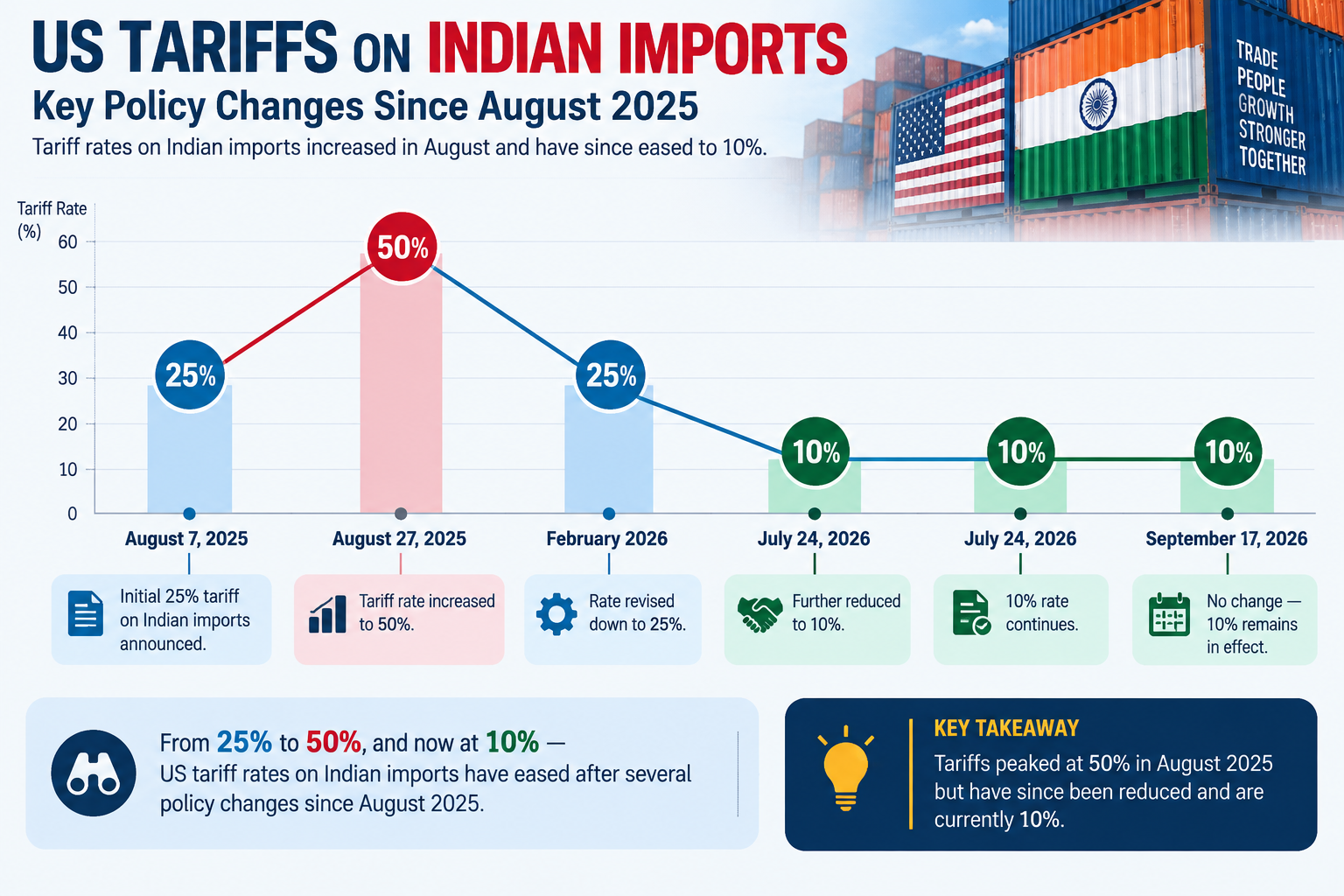
A significant tariff increase on Indian exports to the United States would have wider economic implications beyond the energy sector. Higher tariffs could make Indian goods less competitive in American markets, affecting trade flows and bilateral economic ties.
The possibility has become a major talking point in policy and business circles.
India's Firm Response: Energy Security Comes First
India has made its position clear. The country's leadership has repeatedly emphasized that ensuring energy security for more than 1.4 billion people remains a national priority.
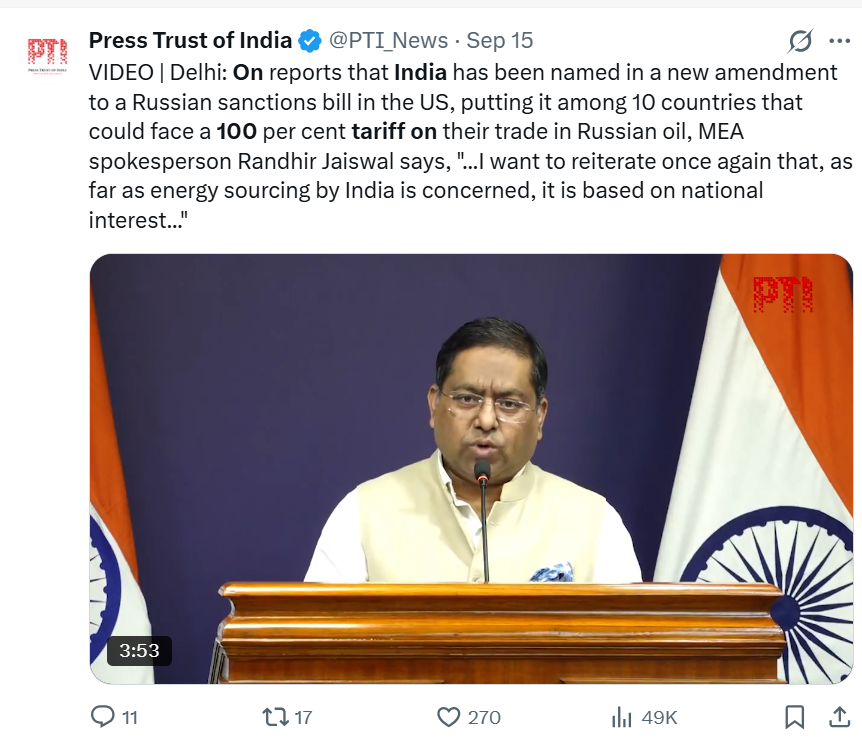
From New Delhi's perspective, crude oil imports cannot be dictated solely by geopolitical considerations. India's primary objective is to secure reliable and affordable energy supplies from diverse sources.
Officials have also signaled that any attempt to force restrictions on India's oil purchasing decisions could negatively affect broader economic and strategic relationships. The message is straightforward: India will continue to prioritize its energy needs while preserving strategic autonomy in foreign policy decisions.
A Global Oil Market Caught in a Paradox
Ironically, efforts to reduce purchases of Russian oil could create an entirely different problem. If major buyers reduce Russian imports, they must source crude from alternative suppliers such as Saudi Arabia, Iraq, or other producers.
This would increase demand in an already tight market. Higher demand against limited supply could push global oil prices even higher.
And when oil prices rise, inflation follows. That inflationary pressure would not be limited to India. It could affect economies worldwide, including the United States.
This paradox highlights how interconnected today's energy markets have become.
What's Next for India?
India is unlikely to face an immediate energy shortage. The country has diversified supply sources and possesses considerable experience in navigating global energy disruptions.
However, the coming weeks and months will be crucial. The key variables to monitor include:
1. Restoration of Saudi Arabia's damaged oil infrastructure
2. Security conditions in the Strait of Hormuz and Red Sea region
3. Future availability of Russian crude
4. Global crude oil price movements
5. US policy toward countries importing Russian oil
If these risks persist simultaneously, Indian refiners could face continued cost pressures, with potential consequences for fuel prices, inflation, and economic growth.
🔥 The Bigger Picture
The Saudi supply disruption is not simply an oil story. It is a reminder of how deeply geopolitics, energy security, global trade, and economic stability are interconnected.
For India, the challenge is no longer just securing crude oil. It is securing affordable crude oil in an increasingly unpredictable world.
The coming months may determine whether India successfully navigates this energy storm or faces a sharper economic impact from events unfolding thousands of kilometers beyond its borders.
🚨 Stay Ahead of Global Geopolitics & Energy Markets
Want sharp analysis on international affairs, oil markets, India-US relations, and emerging geopolitical flashpoints? Dive into our latest blog for insights.
✅Saudi Arabia’s Oil Lifeline Under Fire: Drone Strikes Threaten 4% of Global Oil Supply and Spark Fresh Energy Fears:
👉 Subscribe now and never miss the next big global power shift!
Written by
Aditya KulshreshthaDiscussion (0)
Sign in to join the discussion.
Loading comments…