
A Sudden Surge in Military Flights
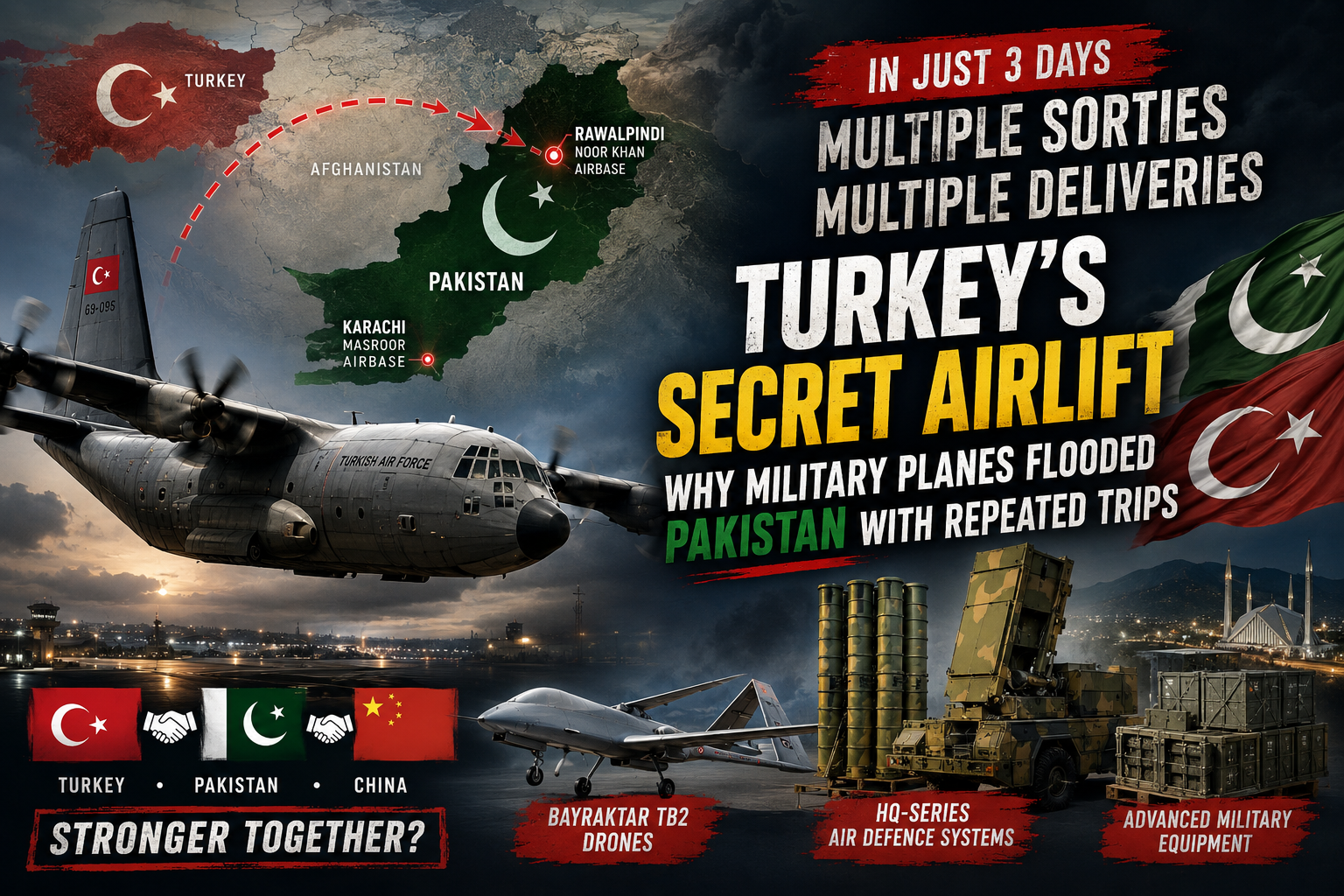
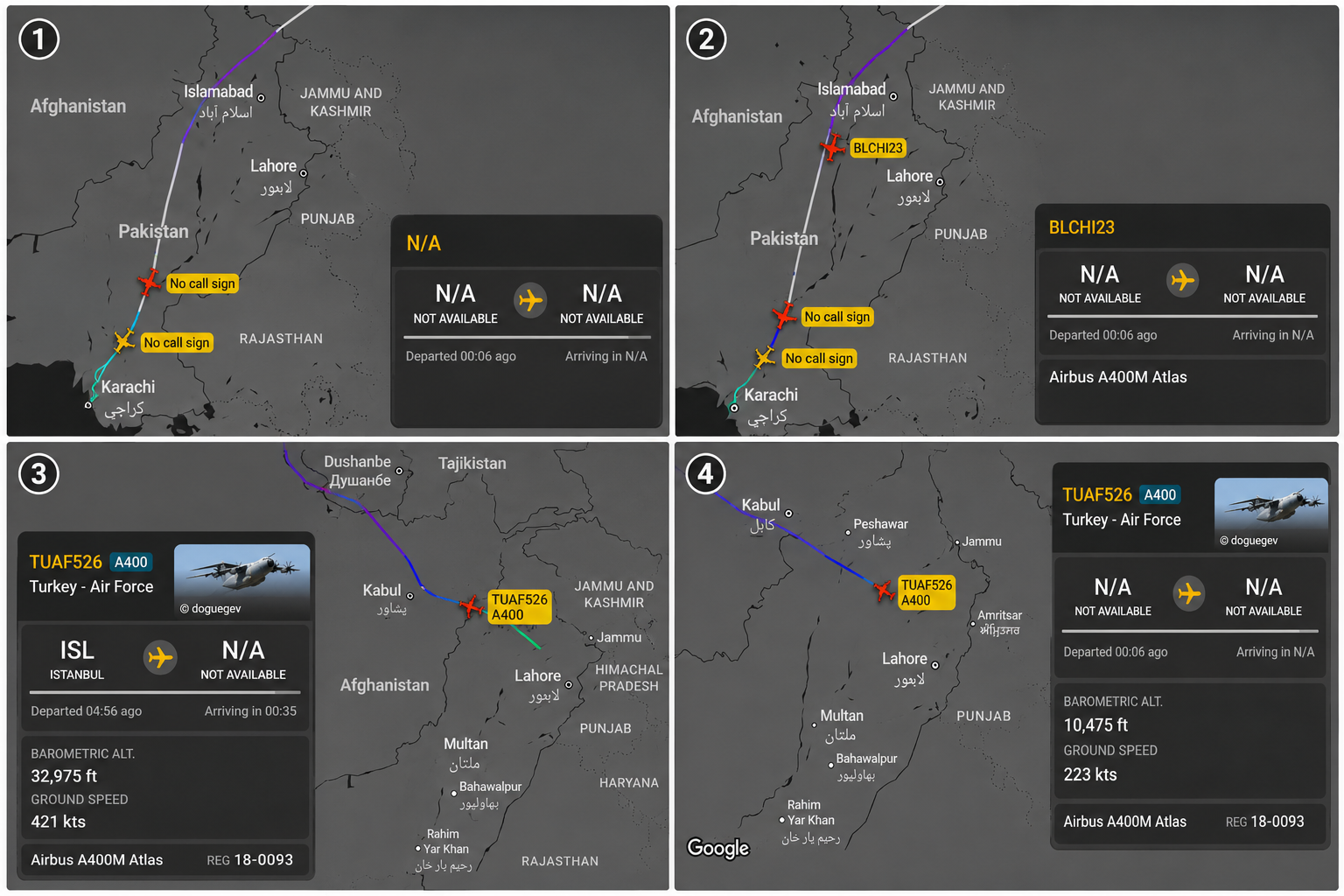
Between August 19 and 21, Turkish C‑130 Hercules transport aircraft carried out multiple sorties into Pakistan, landing at Rawalpindi’s Noor Khan Airbase and Karachi’s Masroor Airbase.
“In just 60 hours, Turkey’s aircraft created what looked like a logistical pipeline into Pakistan.”
This wasn’t a routine exercise. Repeated flights suggest something far bigger: the transfer of drones, air‑defense systems, and advanced military equipment.
Drones: Pakistan’s New Obsession
Modern warfare has shifted. It’s no longer just about fighter jets and artillery; UAVs (Unmanned Aerial Vehicles), loitering munitions, and AI‑enabled surveillance dominate the battlefield. Turkey’s Bayraktar TB2 drones, famous from the Russia‑Ukraine war, are cheap, long‑endurance, and capable of precise strikes. For Pakistan, they add a powerful layer to its already Chinese‑supplied arsenal.
China’s HQ Air Defense Systems
Reports also indicate Pakistan received HQ‑series surface‑to‑air missile systems from China. Comparable to Russia’s S‑300/S‑400, these systems aim to shield Pakistan’s vulnerable airspace, a weakness brutally exposed during Operation Sindoor (2025) when Indian strikes devastated Pakistani air defenses.
Why Diversify Suppliers?
Pakistan’s reliance on China is risky. By turning to Turkey, it gains:
Unmanned aerial vehicles (UAVs) - A UAV is the physical aircraft that flies without a pilot onboard. It consists of the airframe, propulsion system, onboard electronics, and payload, but excludes controllers, communication links, and human operators.
Loitering munitions - Loitering munitions are specialized unmanned aerial weapons that patrol above a battlefield, scanning for targets. Once a target is identified, they dive in and destroy it by detonating their built‑in warhead upon impact.
Naval technology & training.
This diversification ensures Islamabad isn’t left stranded if ties with Beijing sour.
🔎 Operation Sindoor: The Wake‑Up Call
The 2025 India–Pakistan conflict exposed Pakistan’s weak air defenses and highlighted the rising dominance of stand‑off weapons, precision strikes, UAVs, and electronic warfare. India leveraged these tools to cripple hostile infrastructure with speed and accuracy.
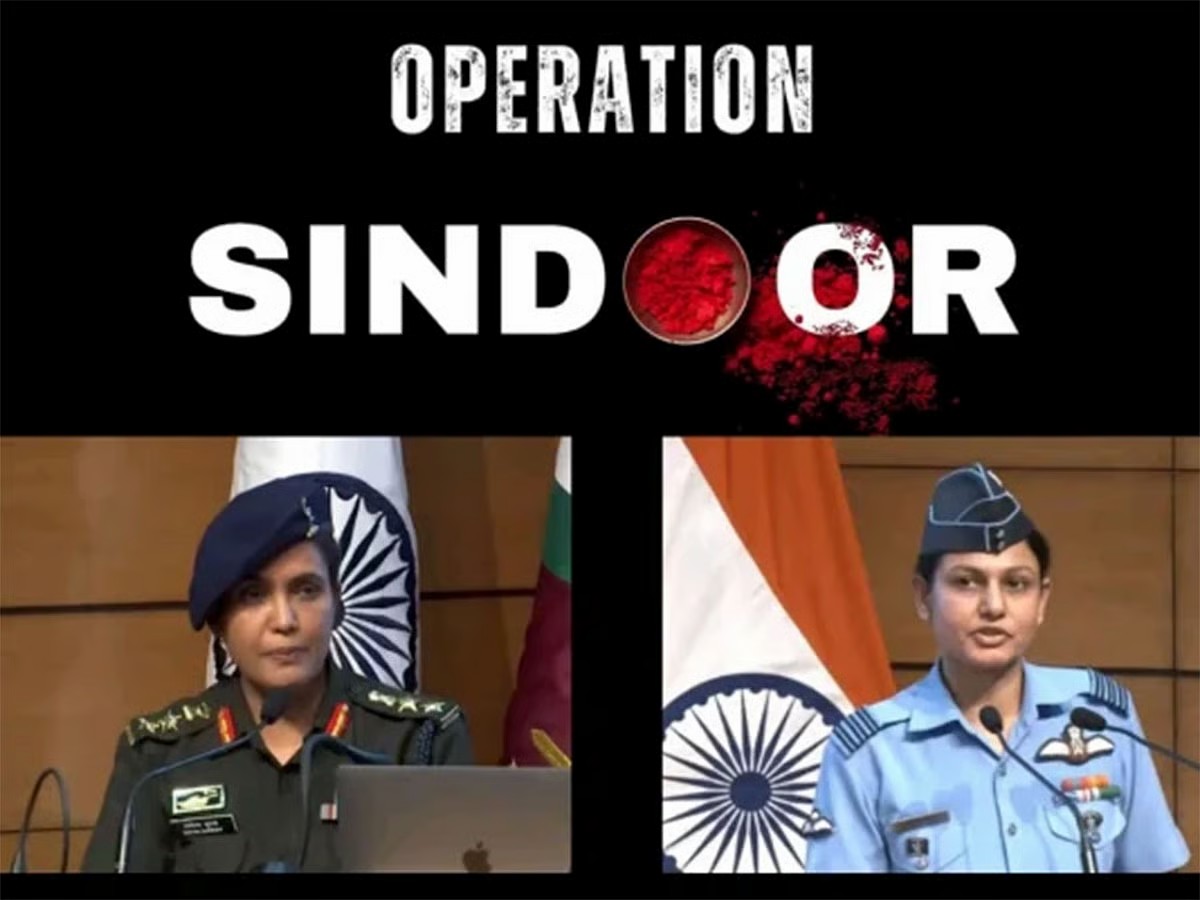
Later, Gen. Anil Chauhan described Operation Sindoor as a turning point - a shift toward multi‑domain warfare and sharper conventional deterrence.
🛡️ Pakistan’s Two‑Front Defence Push
Islamabad’s modernization drive rests on two urgent needs:
Shield the skies: deploying HQ‑series air‑defense systems, radars, and electronic warfare to secure its airspace.
Boost unmanned strike power: investing in Bayraktar‑class UAVs, loitering munitions, and other drones to expand offensive capability.
Together, these priorities form a dual‑track strategy aimed at reshaping Pakistan’s military posture.
🌍 Beyond Defence: The Politics of Turkey–Pakistan Ties
The Ankara–Islamabad partnership isn’t just about trade or weapons. Turkey backs Pakistan on Kashmir, while Pakistan supports Turkey’s regional agendas. Their military cooperation is built on shared strategic interests, defence deals, political alignment, and diplomatic cover.
During the 2025 India–Pakistan conflict, New Delhi openly voiced concern over Turkey’s support, underscoring how deeply politics shapes this defence relationship.
The Geopolitical Angle: The Mecca Defense Pact
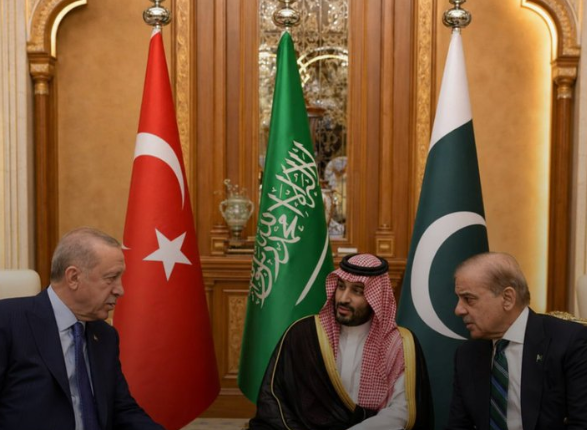
Turkey has consistently backed Pakistan on Kashmir, and now, with the Mecca Joint Defense Agreement signed alongside Saudi Arabia, the stakes are higher. Any attack on one is considered an attack on all. India’s Ministry of External Affairs(MEA) has already stated it is “closely monitoring” these developments.
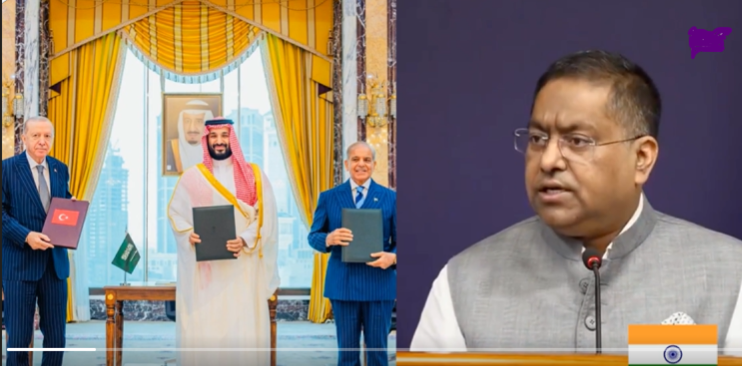
⚠️ India in the Crosshairs: Defence Pact Alert
Former CDS Gen. Anil Chauhan warns: “Unless the Mecca Pact clearly states it isn’t aimed at India, we must treat it as a threat.” He stresses the pact carries serious security consequences for New Delhi.
He cautions that the Pakistan–Saudi–Turkiye pact poses serious security risks for India. His message is clear: India must stay vigilant - monitor, evaluate, and be battle‑ready.
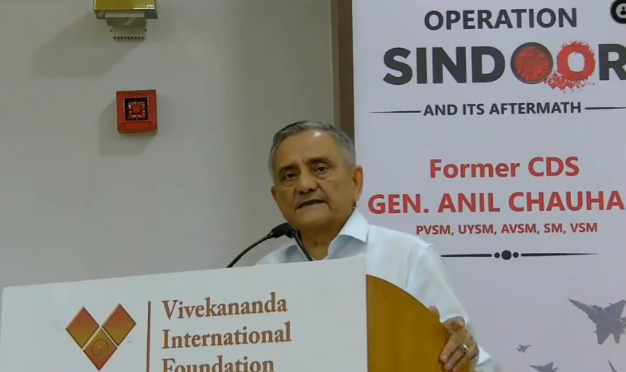
He further highlights that during the May 2025 counter‑terror strike in Pakistan, India’s forces enjoyed superior situational awareness and clear battlefield visibility, giving them a decisive advantage.
India’s Counter Strategy
For New Delhi, the response is clear:
Strengthen counter‑UAS (anti‑drone) systems.
Expand integrated air defense networks.
Invest in indigenous UAV ecosystems.
Deploy long‑range precision weapons to neutralize enemy bases and radars.
The skies over South Asia are changing fast. Turkey’s airlift signals a new era of drone warfare and defense pacts. For India, vigilance and rapid modernisation are not optional; they are essential for survival. The next conflict may not be fought with tanks, but with drones.
📖 Want the Full Story?
For a comprehensive deep dive into the Mecca Defense Pact, its origins, hidden clauses, and the real implications for India’s security, explore our detailed blog analysis.
👉 Click through, stay informed, and understand how this pact could reshape South Asia’s strategic balance: https://mangalbhavana.com/article/mecca-defense-pact-islamic-nato-iran-warning
Written by
Ritvik DeshmukhDiscussion (0)
Sign in to join the discussion.
Loading comments…