
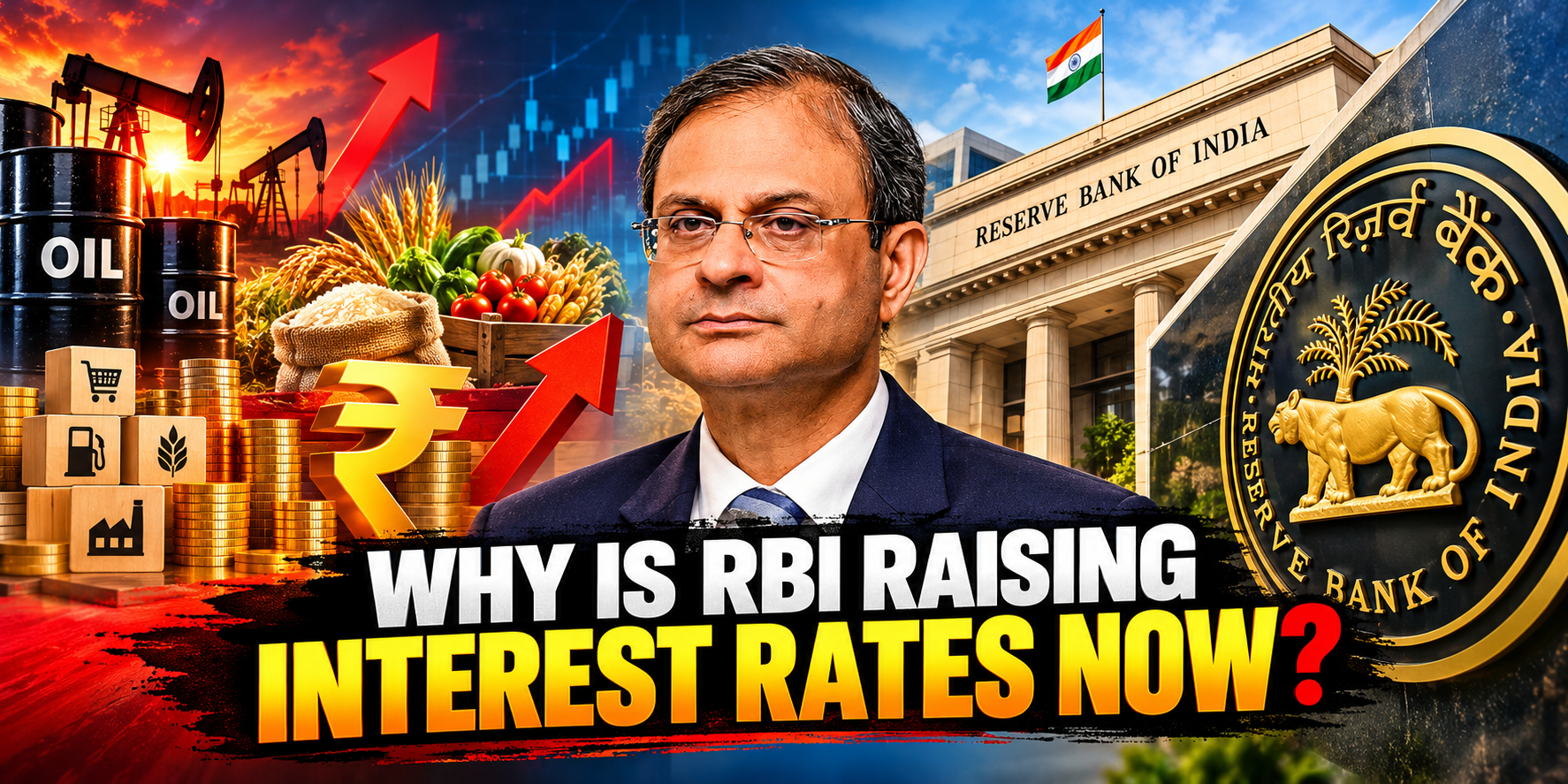
As global conflicts, rising crude oil prices, inflation fears, and economic uncertainties intensify, the RBI has raised interest rates for the first time in years. Discover how the repo rate hike could impact your home loan, car loan, savings, fixed deposits, businesses, and the Indian Rupee.
The world is navigating through a period of unprecedented uncertainty. The Russia-Ukraine conflict remains unresolved, tensions involving the United States and Iran continue to fuel geopolitical concerns, and instability in the Middle East is keeping global markets on edge. Amid these developments, central banks across the world have been aggressively raising interest rates to combat inflation.
Now, India has joined this global trend.
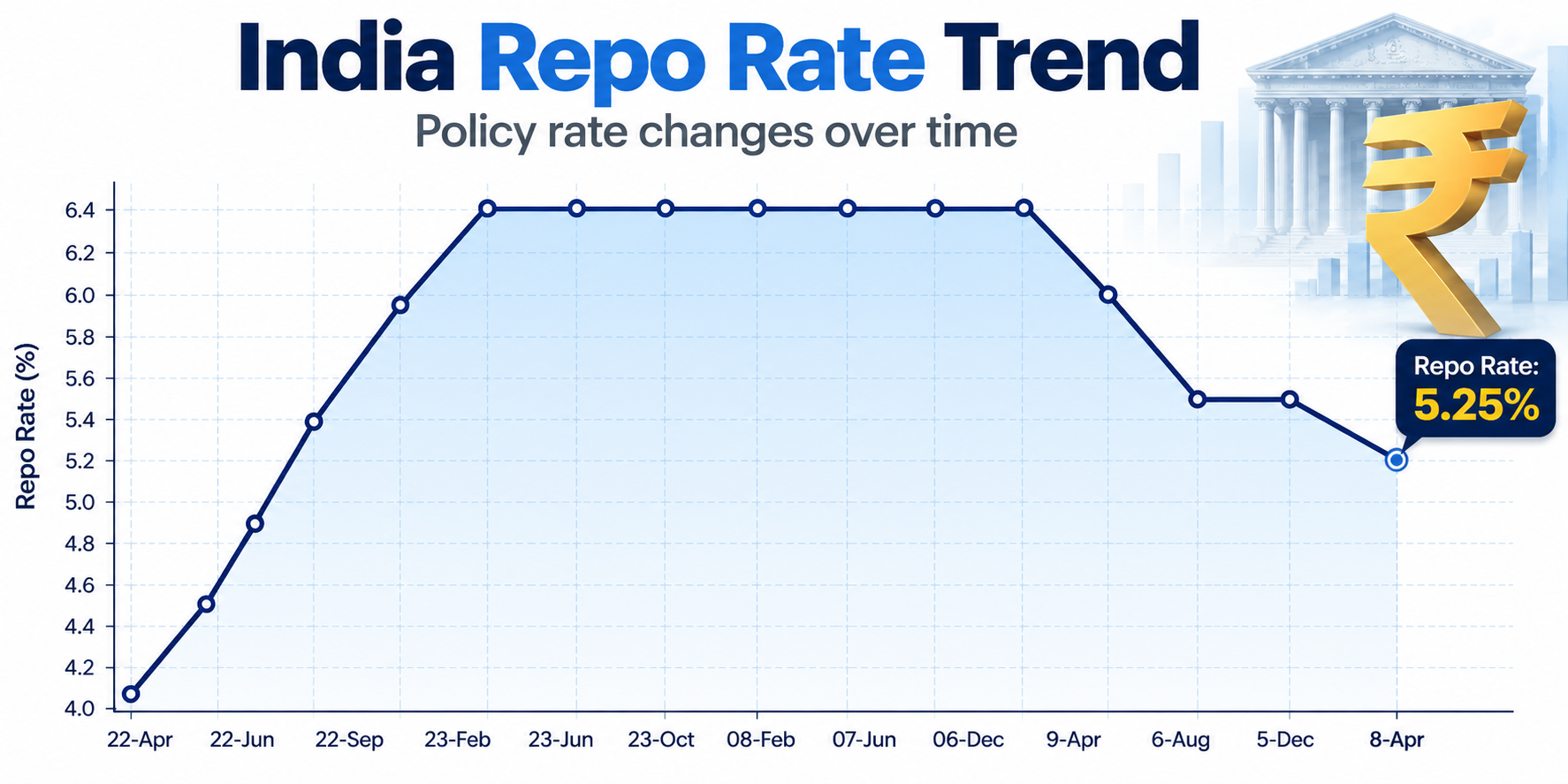
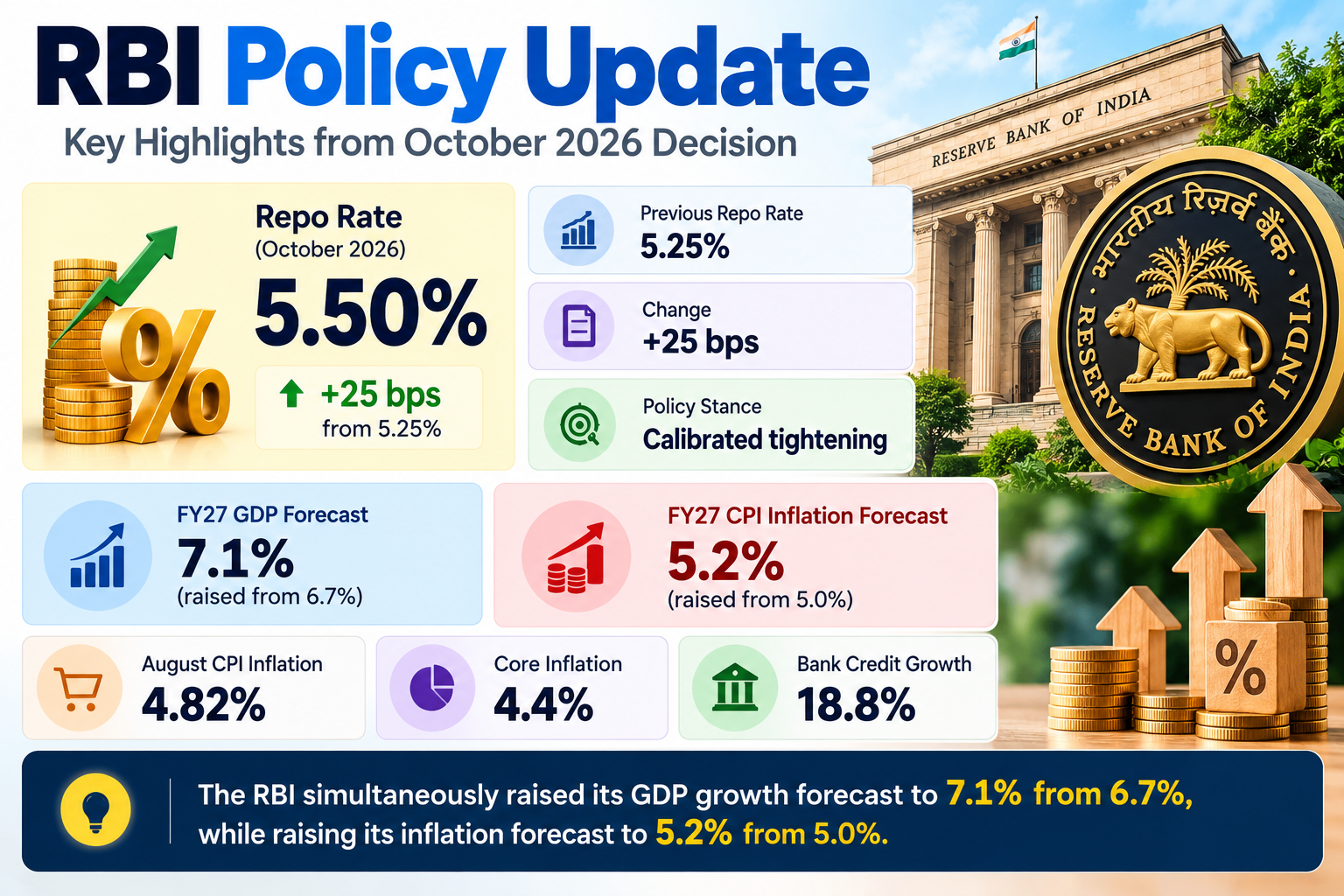
In a move that has caught the attention of economists, businesses, and borrowers alike, the Reserve Bank of India (RBI) has raised the repo rate by 25 basis points, taking it from 5.25% to 5.50%. More importantly, the RBI has shifted its policy stance from "Neutral" to "Calibrated Tightening", signalling that this may not be the last rate increase.
But why has RBI taken this step? What does it mean for inflation, loans, savings, businesses, and the Indian economy? Let's break it down.
What Exactly Happened?
The RBI's Monetary Policy Committee (MPC), a six-member body responsible for deciding India's monetary policy, has voted to increase the repo rate by 0.25% (From 5.25% to 5.50%) on 7th October 2026.
For those unfamiliar with the term, the repo rate is the interest rate at which commercial banks borrow short-term funds from the RBI. It acts as the benchmark that influences lending and borrowing rates across the entire banking system.
Simply put:
1. When repo rates increase, loans become more expensive.
2. When repo rates decrease, borrowing becomes cheaper.
The latest rate hike marks the first significant upward move in years and reflects RBI's growing concern over future inflation risks.
Who Decides India’s Interest Rates?
Inside the RBI’s Powerful Policy-Making Team
India’s interest rate decisions are made by the Monetary Policy Committee (MPC), a six-member panel established in 2016 to bring greater transparency and accountability to monetary policy.
The committee consists of:
✅3 members from the RBI, including the RBI Governor
✅3 government-appointed experts
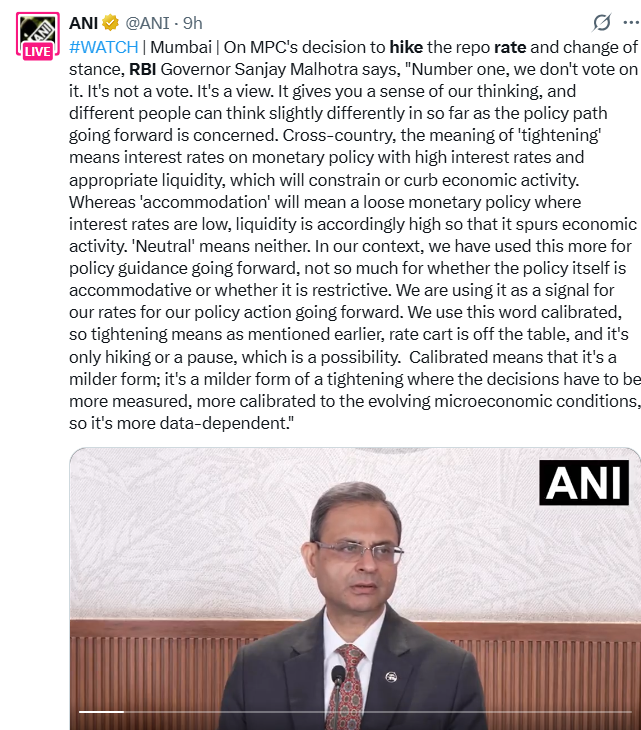
The RBI Governor chairs the committee and holds the casting vote in case of a tie. Meeting several times a year, the MPC evaluates inflation and economic growth before deciding the direction of key rates such as the repo rate.
Why Is RBI Raising Interest Rates Now?
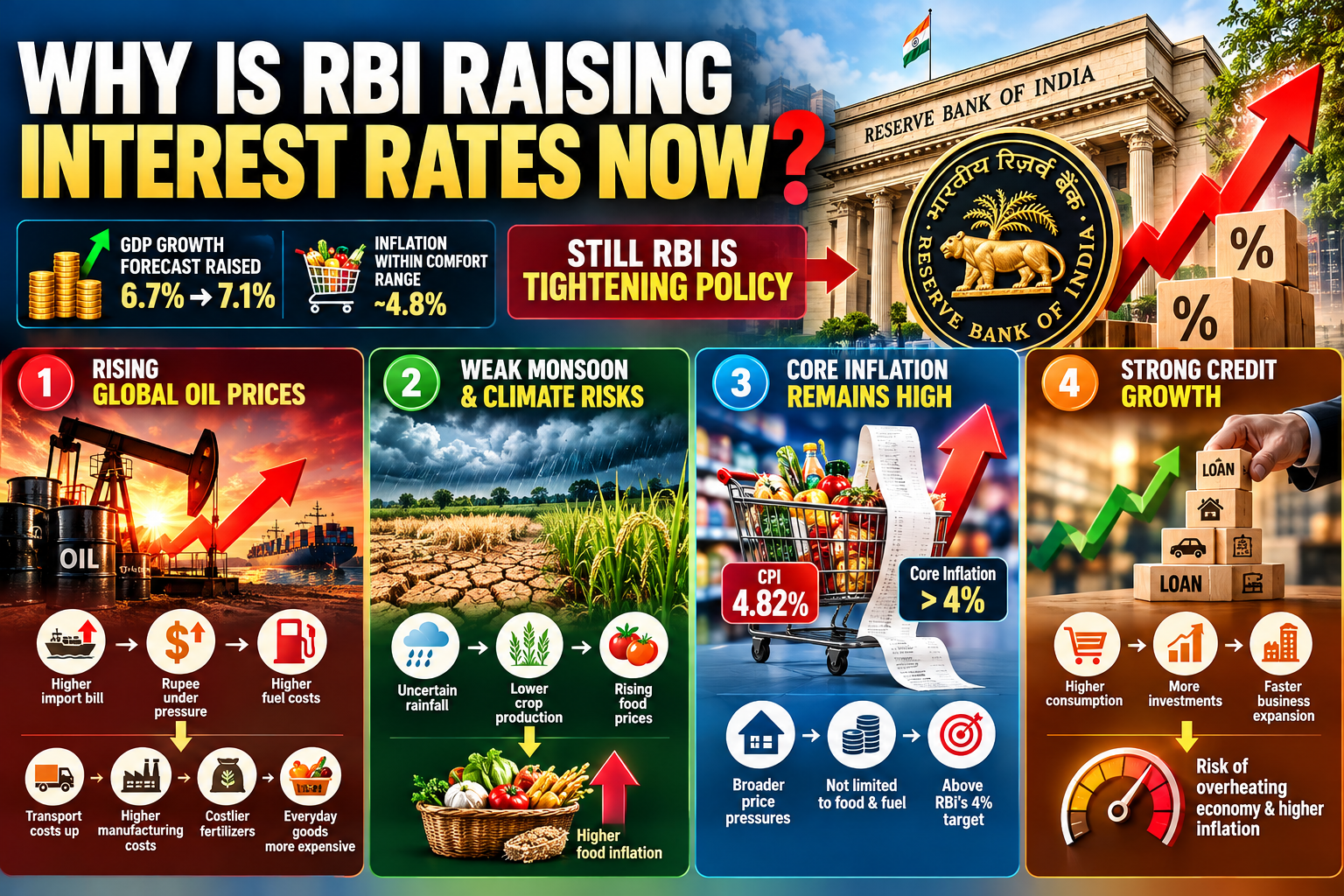
At first glance, the decision may seem surprising. India's inflation is currently around the RBI's comfort range, and economic growth remains strong. In fact, the RBI has upgraded its GDP growth forecast from 6.7% to 7.1%, reflecting confidence in India's economic momentum.
So why tighten policy? The answer lies in the future rather than the present.
RBI is acting proactively to prevent inflation from spiralling out of control before it becomes a major problem.
1. Global Tensions Are Pushing Oil Prices Higher
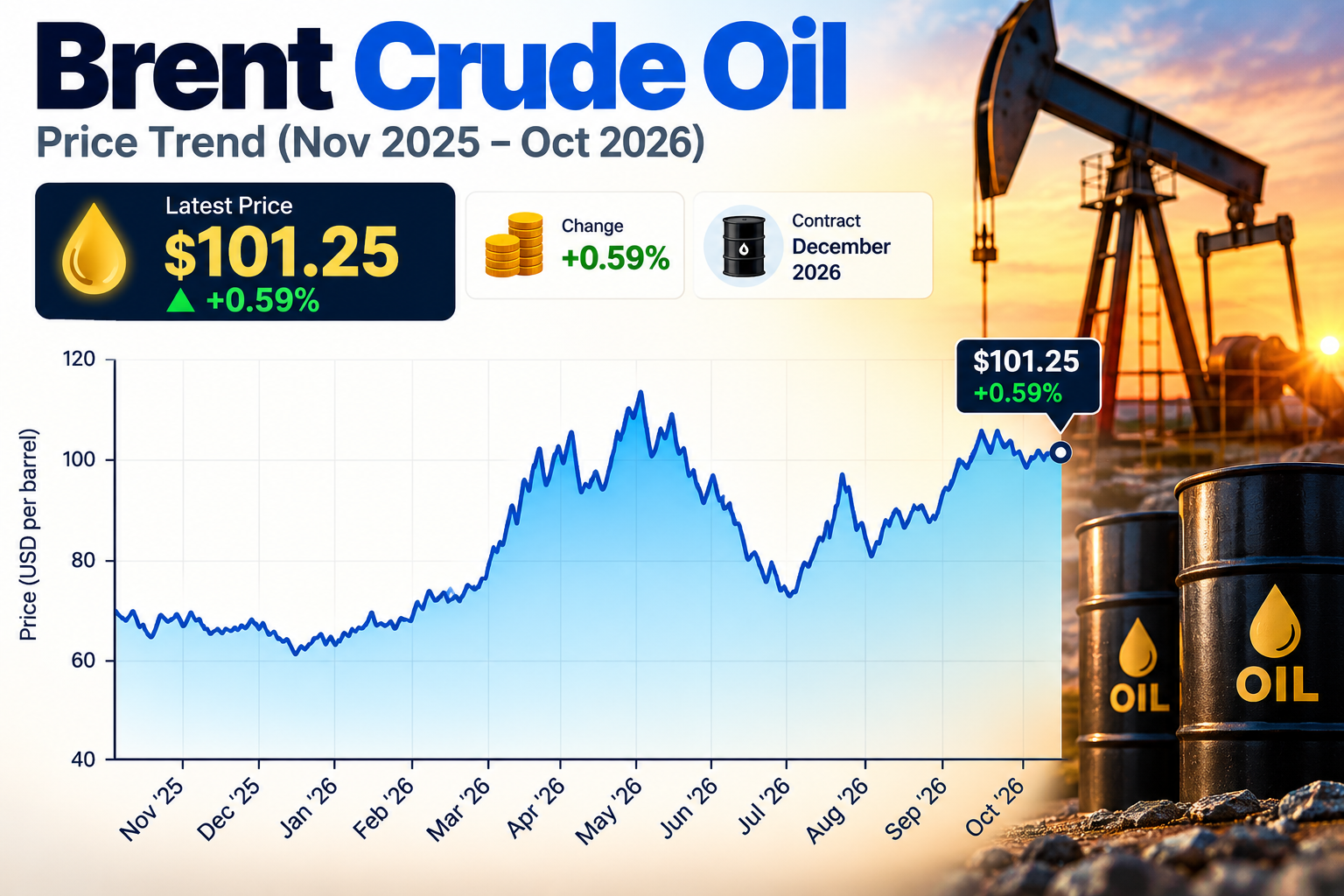
One of the biggest reasons behind the RBI's decision is the surge in crude oil prices. India imports a large portion of its energy requirements. Whenever global oil prices rise:
a) India's import bill increases.
b) Demand for US dollars rises.
c) The Indian Rupee comes under pressure.
d) Imported goods become more expensive.
e) Inflation begins to spread across the economy.
Higher fuel costs don't just impact petrol and diesel. They also increase:
a) Transportation costs
b) Logistics expenses
c) Manufacturing costs
d) Fertilizer prices
e) Food distribution expenses
Ultimately, consumers end up paying more for everyday goods and services. With ongoing geopolitical tensions threatening energy supply chains, RBI appears to be preparing for a potentially inflationary future.
2. The Monsoon Factor: A Silent Inflation Threat

Another major concern is agriculture. India's agricultural sector remains heavily dependent on weather conditions. Concerns around weak monsoon patterns and climate disruptions(El Niño Risk)can significantly affect crop production.
A weaker agricultural season can result in:
a) Lower food production
b) Reduced supply of cereals and pulses
c) Rising vegetable prices
d) Increased food inflation
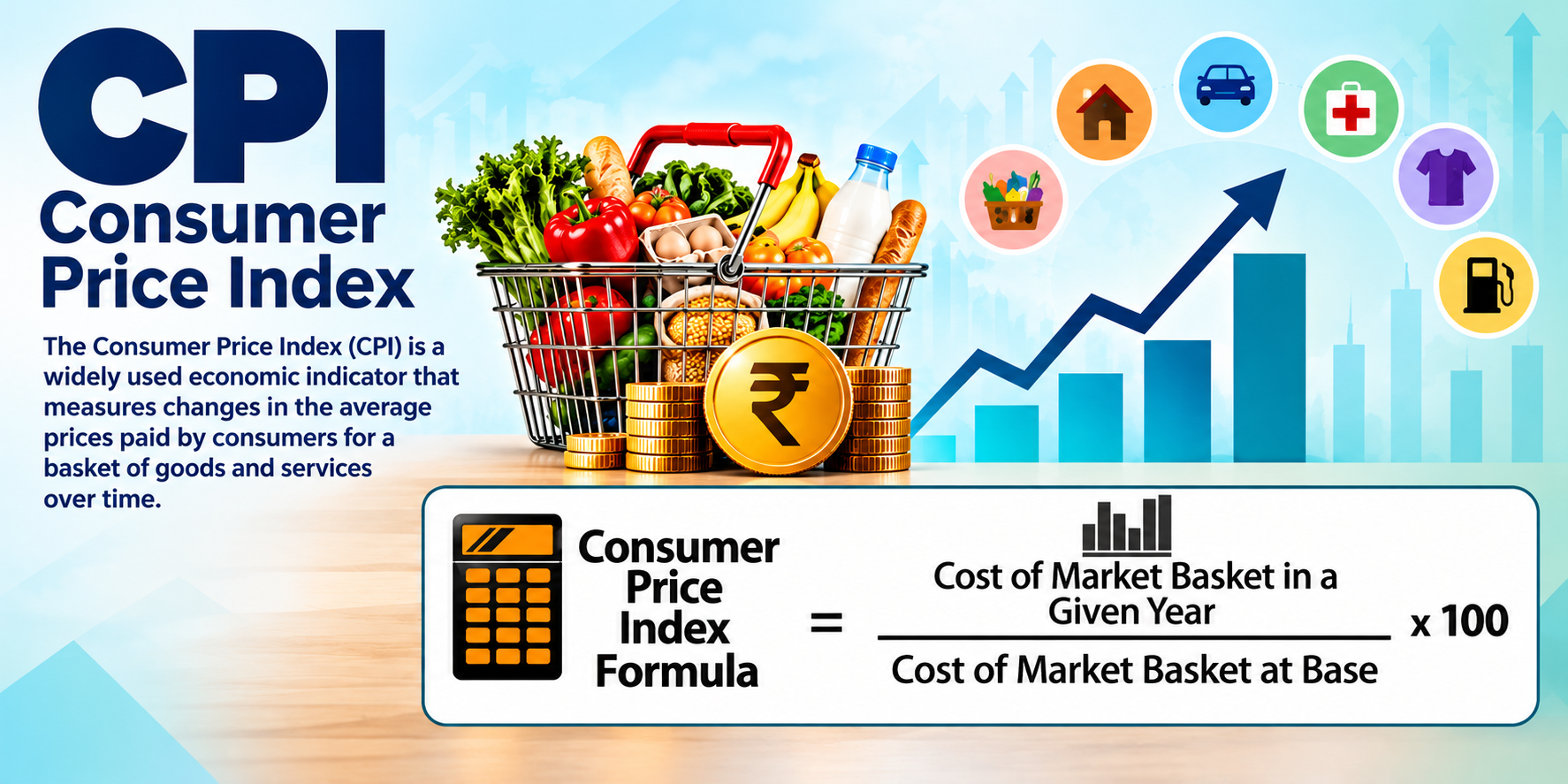
Since food makes up a substantial share of household expenditure, even modest disruptions can sharply raise the Consumer Price Index (CPI). The RBI appears unwilling to take chances.
3. Core Inflation Is Raising Alarm Bells
While food and fuel prices often fluctuate due to temporary factors, economists pay special attention to core inflation, which excludes food and fuel.
Why does this matter? Core inflation, which excludes volatile food and fuel prices, reflects underlying and more persistent price pressures in the economy. Recent trends show that core inflation has moved above the RBI’s 4% target, while August's CPI inflation stood at 4.82%, indicating that inflationary pressures are spreading beyond just food and energy. Although the RBI aims to maintain inflation at 4%, it is mandated to keep CPI inflation within a 2% to 6% tolerance band.
In simple terms, price increases are becoming broad-based rather than being limited to a few sectors. This is exactly the kind of situation central banks try to control before it becomes entrenched.
4. India's Credit Boom Is Another Concern
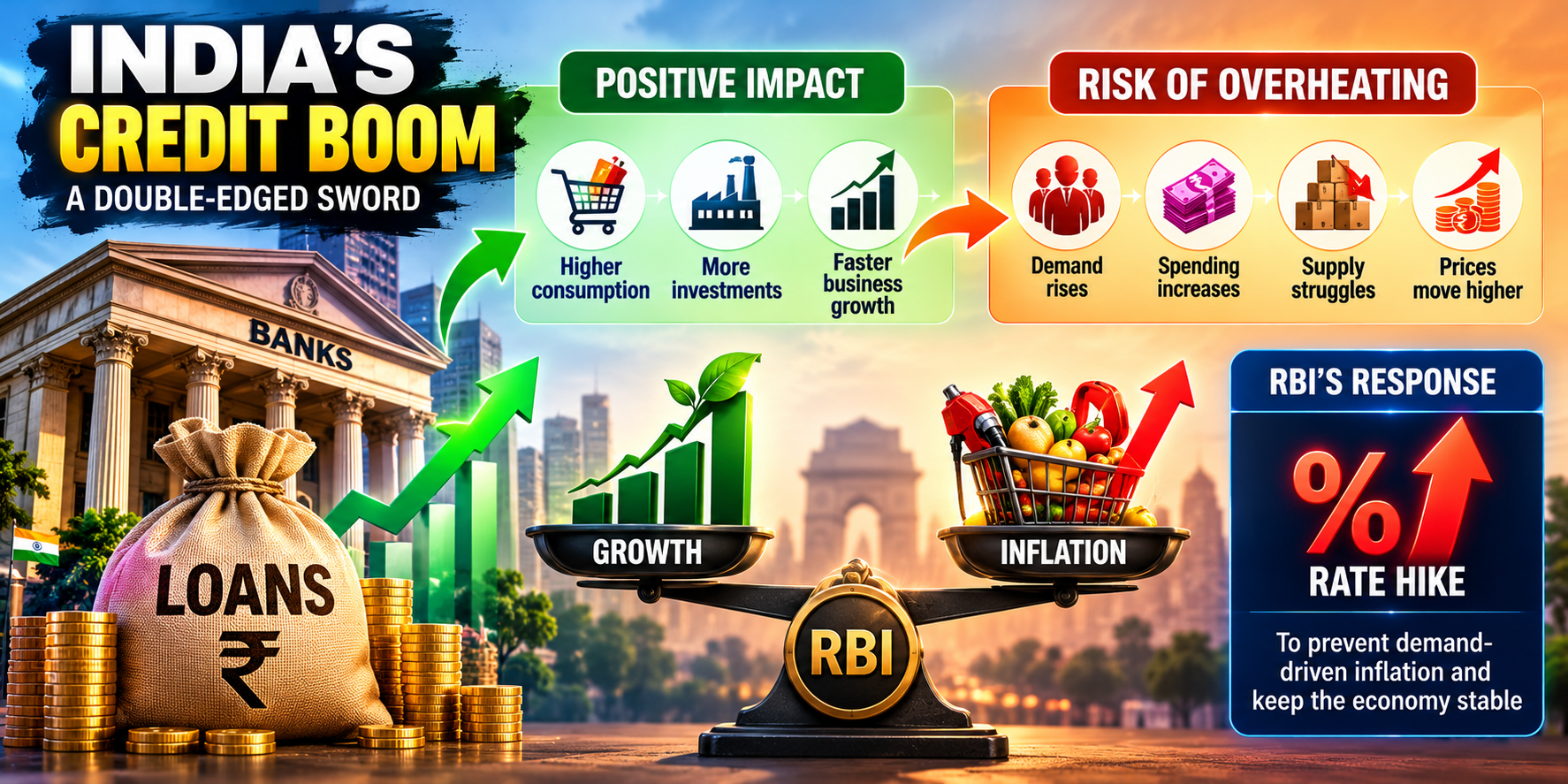
Indian banks have witnessed strong credit growth, with lending expanding rapidly. At first glance, this seems like positive news.
More loans mean:
a) Higher consumption
b) Greater investments
c) Faster business expansion
d) Stronger economic growth
However, excessive lending can also create an overheating economy. When too much money flows into the system:
a) Consumer demand rises sharply.
b) Spending increases.
c) Supply struggles to keep up.
d) Prices start moving higher.
The RBI's challenge is balancing growth with price stability. The latest rate hike is an attempt to prevent demand-driven inflation from becoming a larger threat.
What Does "Calibrated Tightening" Really Mean?
Perhaps the most important takeaway from the RBI announcement isn't the rate hike itself. It's the change in policy stance.
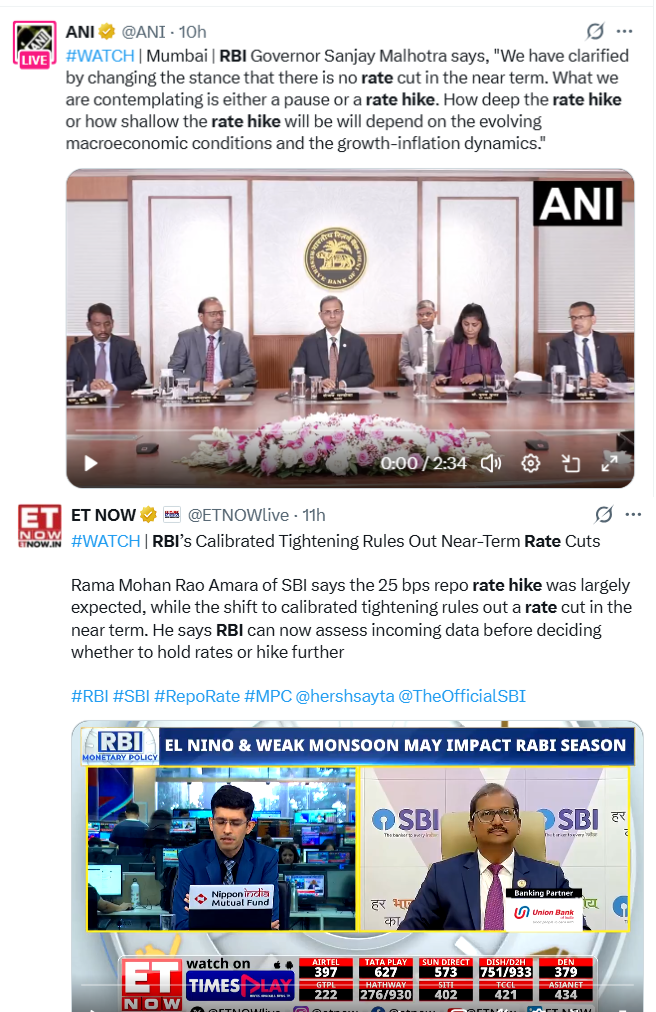
Previously, RBI maintained a Neutral Stance, meaning future rate movements could go either way. Now, it has adopted Calibrated Tightening. This is essentially a signal to markets that:
1. RBI is more concerned about inflation than before.
2. Additional rate hikes remain possible.
3. Monetary conditions could become tighter in the coming months.
While there is no guarantee of upcoming increases, the door has clearly been left open.
How Will This Affect Your Home Loan and EMI?
This is the question most Indians care about. If you have:
1. Home loans
2. Car loans
3. Personal loans
4. Business loans
and they are linked to floating interest rates, your borrowing costs may increase.
For example: If your home loan interest rate was 9%, it may gradually rise depending on how your bank passes on the repo rate hike.
This could lead to:
Option 1: Higher EMI
Your monthly installment increases.
Option 2: Longer Loan Tenure
Your EMI remains unchanged, but the bank extends your repayment period.
Many borrowers overlook the second option, but it can be extremely costly.
Imagine taking a 20-year loan and discovering years later that the tenure has quietly stretched dramatically due to multiple rate hikes.
The result? You end up paying significantly more interest over the life of the loan.
Always review your loan statements regularly and understand whether your bank is increasing EMIs or extending tenure.
Good News for Savers
It's not all bad news. People with:
1. Fixed Deposits (FDs)
2. Savings products
3. Debt investments
may benefit from higher interest rates.
Banks often increase deposit rates following repo rate hikes, allowing savers to earn better returns on their money. For retirees and conservative investors, this is a welcome development.
Which Industries May Feel the Heat?
Higher interest rates tend to hurt sectors that depend heavily on borrowed money. These include:
1. Real Estate
Developers and buyers face higher borrowing costs.
2. Automobile Sector
Vehicle financing becomes more expensive, potentially slowing demand.
3. Infrastructure & Capital-Intensive Businesses
Projects funded through debt may become costlier. Companies with strong cash reserves and low debt levels are generally better positioned to withstand rising interest rates.
Can This Help the Rupee?
There is another interesting angle. Higher interest rates can attract investors seeking better returns.
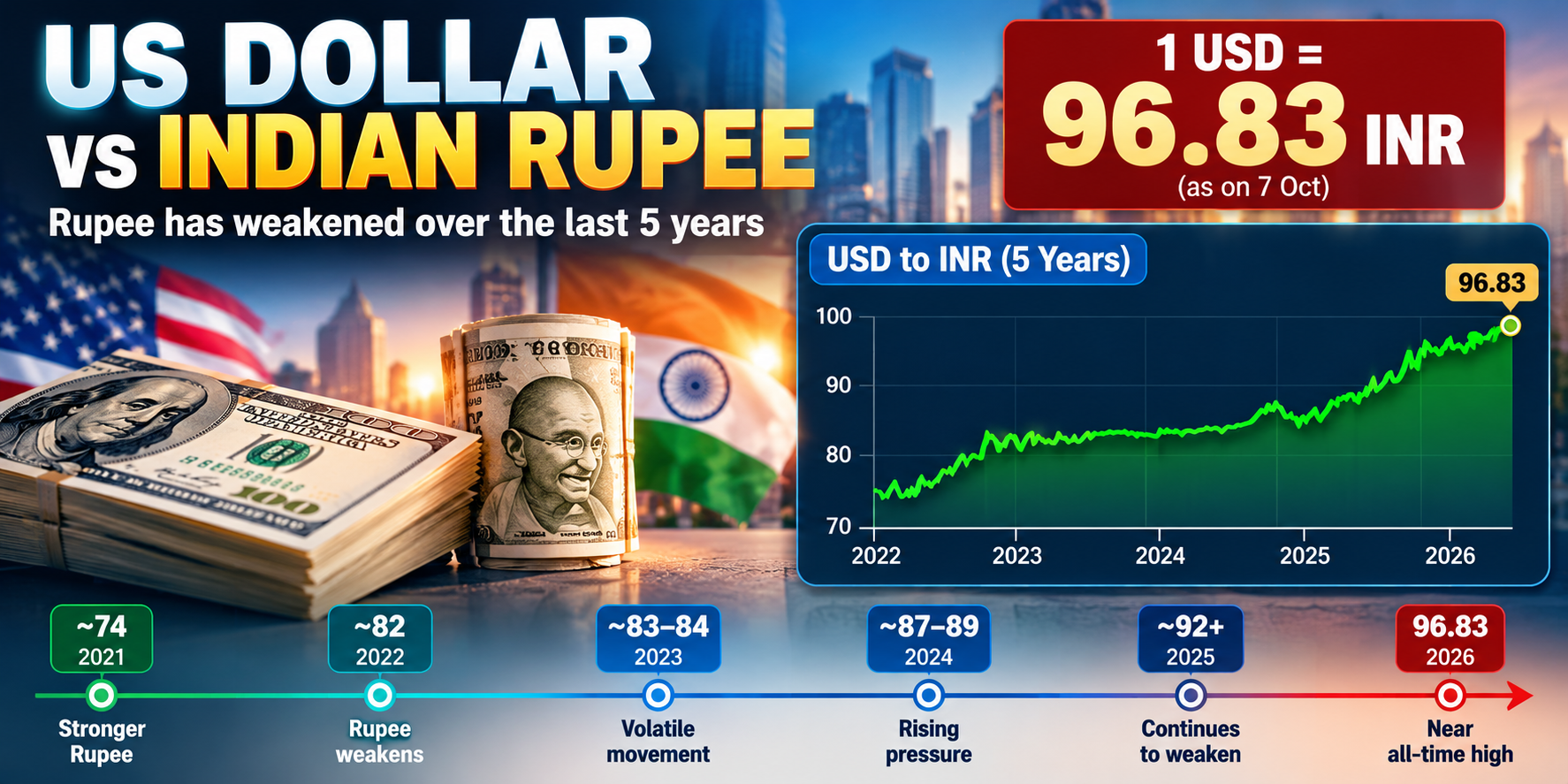
If foreign investors choose to keep their money in India because of improved yields, the Indian Rupee may receive some support.
However, it is not guaranteed. Why?
Because the US Federal Reserve and other global central banks are also raising interest rates. Investors will constantly compare returns, risks, and safety across different markets. Therefore, while the rate hike could help stabilize the Rupee, it isn't a foolproof solution.
The Bottom Line
The RBI's latest repo rate hike is not merely about current inflation. It is a preventive move aimed at addressing future risks stemming from geopolitical tensions, rising crude oil prices, weather uncertainties, strong credit growth, and persistent core inflation.
India's growth story remains strong, but the RBI is clearly sending a message: “Inflation control is now the top priority.”
For borrowers, this means staying alert to loan costs and repayment terms. For savers, it may create opportunities to earn better returns. And for businesses, the era of ultra-cheap money may be gradually coming to an end.
📌 Want More RBI Insights?
The repo rate hike is just one piece of the puzzle. Explore our related blogs to understand how the RBI’s recent decisions are shaping India's economy, stock markets, and interest rates.
👉 RBI’s ₹1 Lakh Crore Shock Move: Why India’s Central Bank Is Selling Bonds at a Record Pace
🚨 Nifty’s Longest Losing Streak in 25 Years: ₹26 Lakh Crore Wiped Out, Is a Bear Market Brewing?
Stay informed. Stay ahead. Follow us for sharp insights on RBI policy, markets, and the Indian economy.
Written by
Devansh KaulDiscussion (0)
Sign in to join the discussion.
Loading comments…