
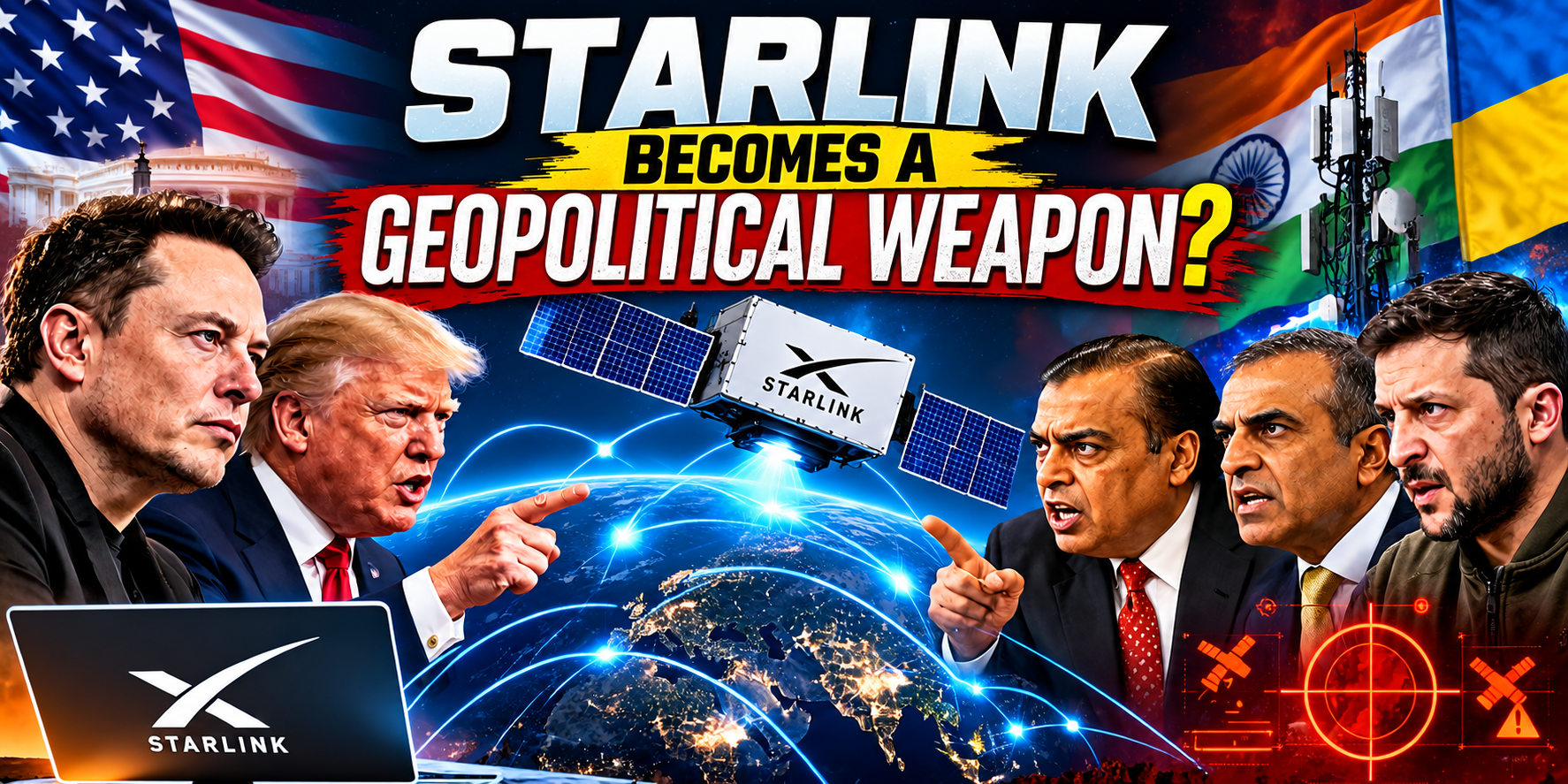
Ukraine's Starlink disruption and Musk's Trump claim are fueling new concerns over satellite internet, national security, and India's telecom strategy. Ukraine's Starlink crisis raises a critical question: Who really controls the internet during wartime?
For years, Starlink was celebrated as a revolutionary technology that could bring high-speed internet to the world's most remote regions. But a growing controversy involving Ukraine, Elon Musk, and the United States government is now raising an uncomfortable question:
What happens when a country's military and critical infrastructure depend on a foreign-controlled communication network?
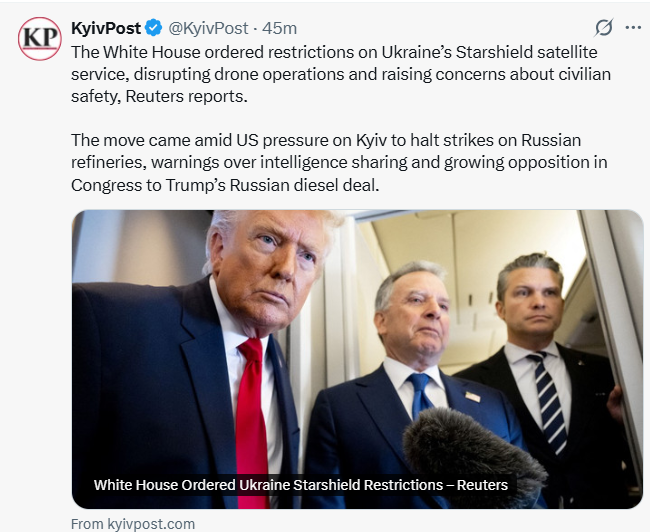
The debate has intensified after Ukrainian officials alleged that crucial satellite connectivity used by their defense forces has been disrupted, potentially affecting military operations against Russia. At the same time, recent remarks by Elon Musk targeting India's handling of Starlink have triggered fresh discussions about whether countries should remain cautious when private foreign entities control strategic communications.
🌍 Ukraine's Starlink Disruption Sparks Global Debate
Since Russia invaded Ukraine in 2022, satellite internet has become a crucial pillar of Ukraine's communications infrastructure.
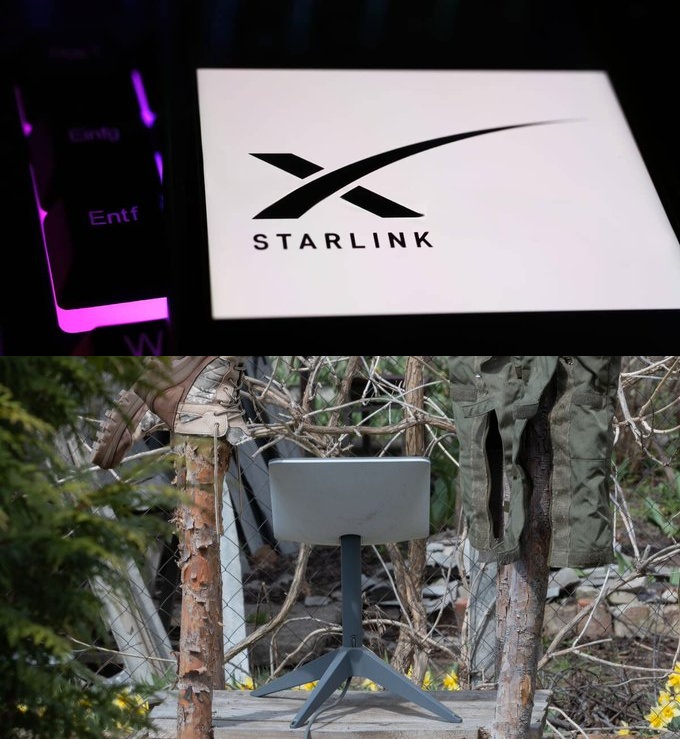
With conventional communication systems damaged during the conflict, satellite networks emerged as a reliable alternative. Ukrainian civilian agencies, emergency responders, and defense forces have increasingly relied on satellite-based connectivity for communications, coordination, and battlefield awareness.
However, Ukrainian officials have recently claimed that significant disruptions have affected connectivity used during military operations. According to reports, some drone and battlefield communication systems experienced restrictions that impacted operational effectiveness.
🚨Starlink remains a critical lifeline for Ukraine's battlefield communications, drone operations, and real-time coordination.
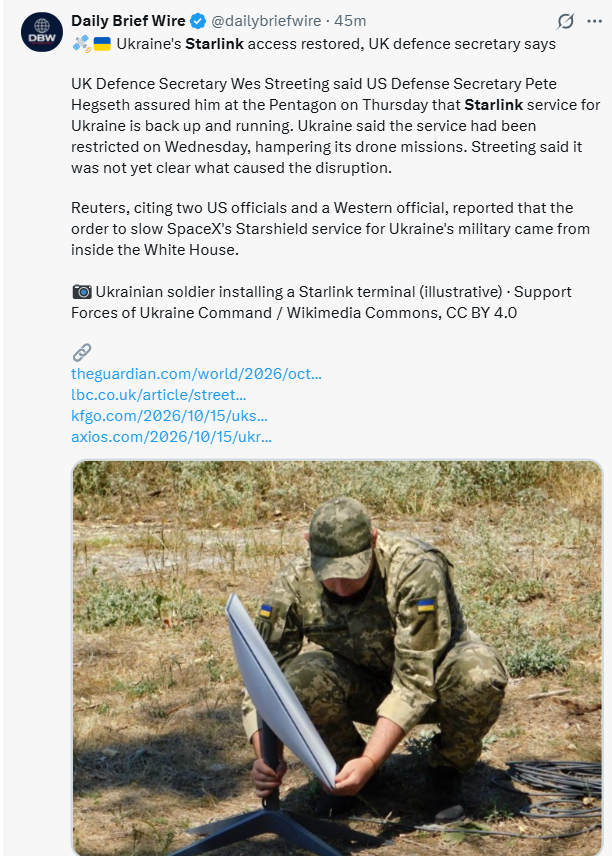
The controversy escalated when Ukrainian President Volodymyr Zelensky questioned why access and connectivity appeared to be changing during critical phases of the conflict.
🛰️ Starlink vs Starshield: The Difference Everyone Needs to Understand
One of the biggest misconceptions surrounding the controversy is the assumption that Starlink and Starshield are the same system. They are not.
1. Starlink
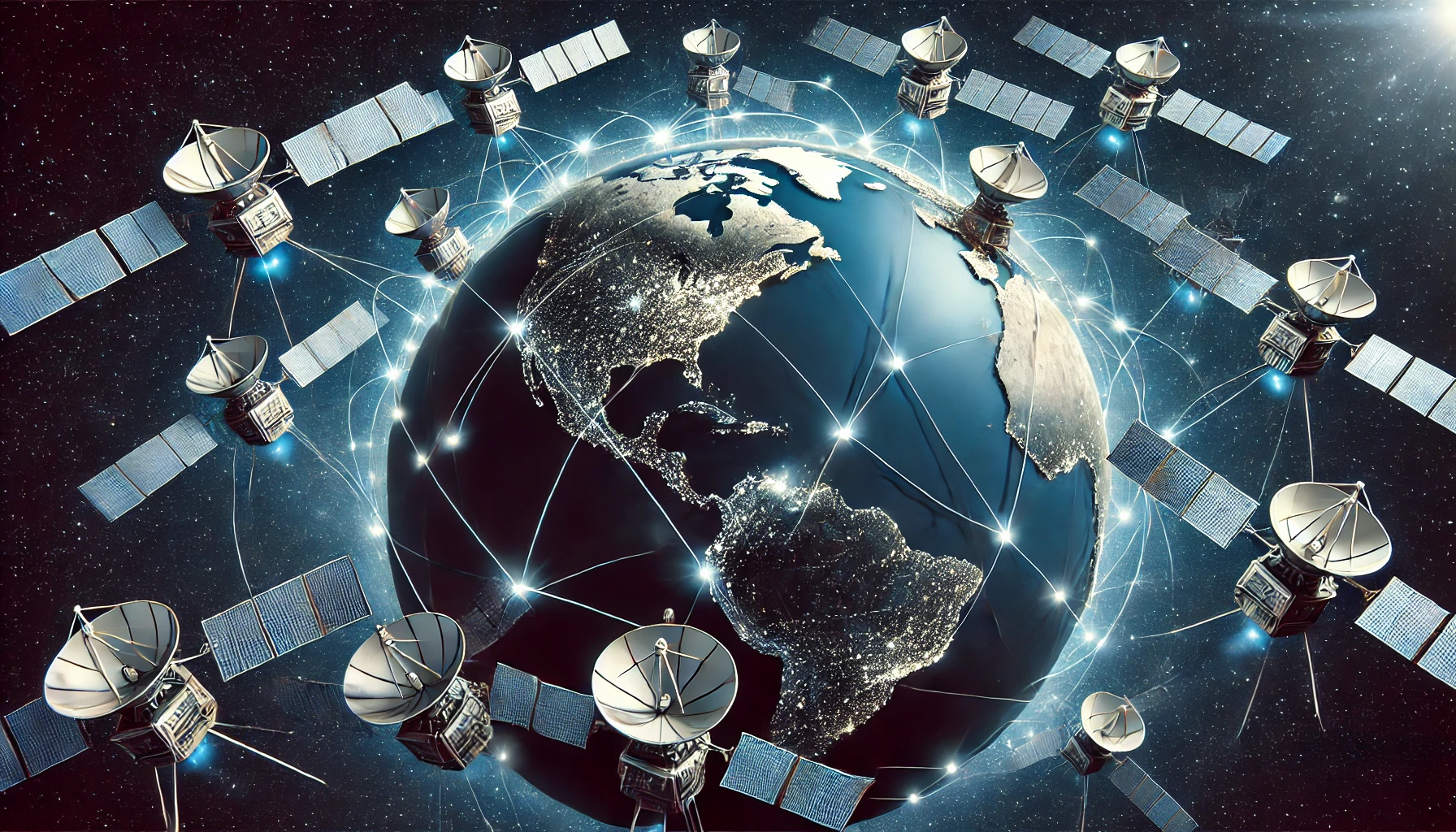
Starlink is SpaceX's commercial satellite internet service designed for civilians, businesses, and general connectivity needs.
The network operates through thousands of satellites in Low Earth Orbit (LEO), providing internet access directly to ground terminals without relying heavily on traditional telecom infrastructure.
This is the service that countries like India have been evaluating for commercial deployment.
2. Starshield
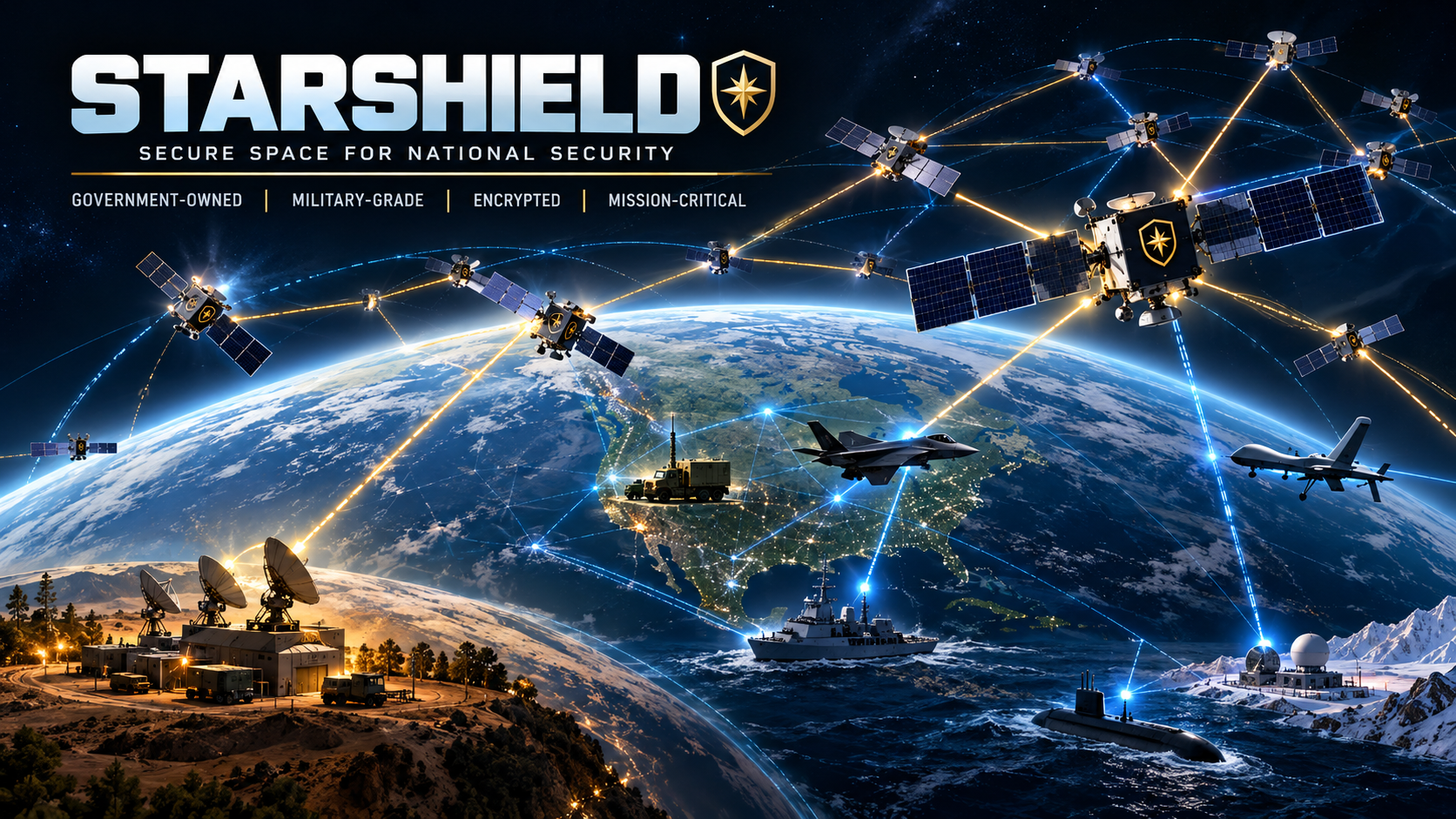
Starshield is a defense-focused version of the technology developed for government and military applications.
Unlike commercial Starlink services, Starshield is designed to operate under government oversight and can include security controls, access management, and operational restrictions based on national security requirements.
In simple terms:
✅ Starlink = Commercial Connectivity
✅ Starshield = Government and Military Connectivity
The distinction matters because military access and operational control may not rest solely with SpaceX but can involve U.S. government oversight and strategic considerations.
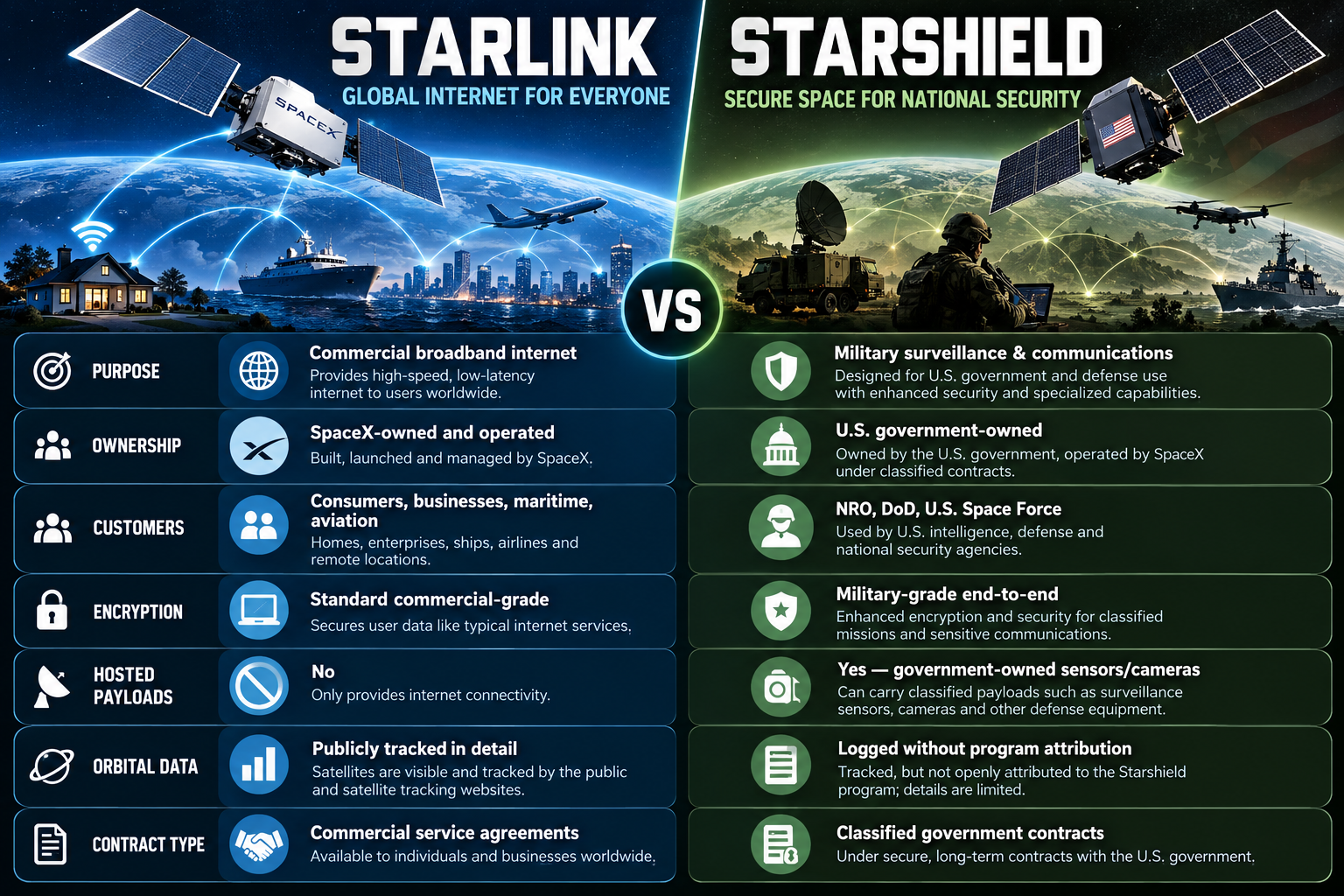
The growing overlap between Starlink and Starshield signals a major shift in the space industry, where commercial technology and military capabilities are increasingly becoming part of the same ecosystem.
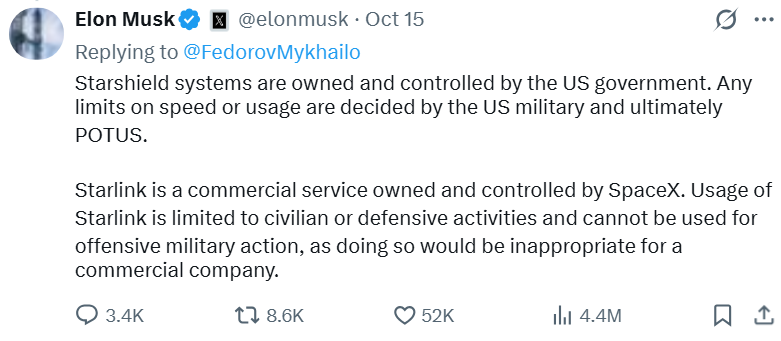
🚨 Musk Shifts Responsibility to Washington, Claiming Starshield Restrictions Are Controlled by the U.S. Government, Not SpaceX.
⚔️ Why Is Ukraine Worried?
Modern warfare no longer depends only on tanks, missiles, and fighter jets. Today's battlefield runs on data. Satellite connectivity supports:
1. Drone operations
2. Military communications
3. Reconnaissance missions
4. Command-and-control systems
5. Battlefield intelligence sharing
If connectivity slows down, becomes restricted, or is interrupted, military effectiveness can be affected significantly.
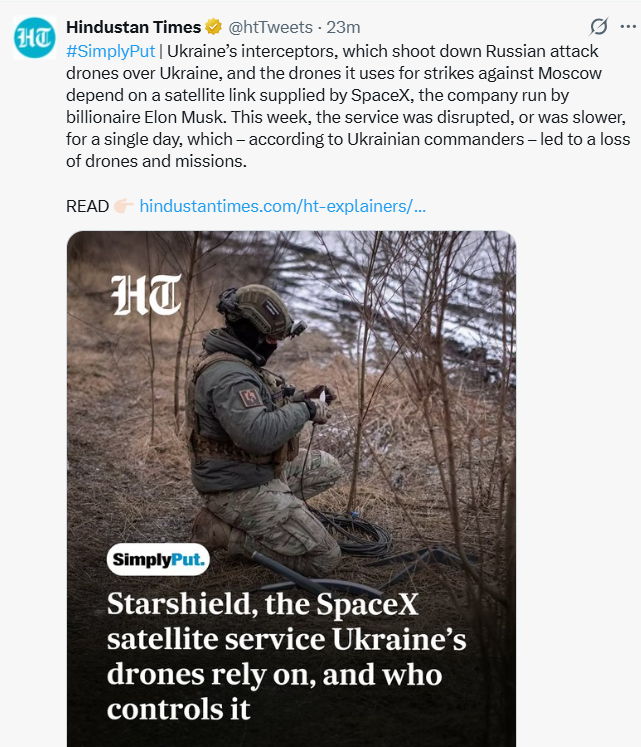
For Ukraine, which depends heavily on Western technological support, reliable communication links are vital. Any perception that access could be restricted naturally raises concerns in Kyiv.
This is why the latest controversy has generated intense debate among military analysts and security experts worldwide.
The Trump Factor: Is Politics Influencing Connectivity?
Adding another layer of complexity is the growing political friction between Washington and Kyiv.
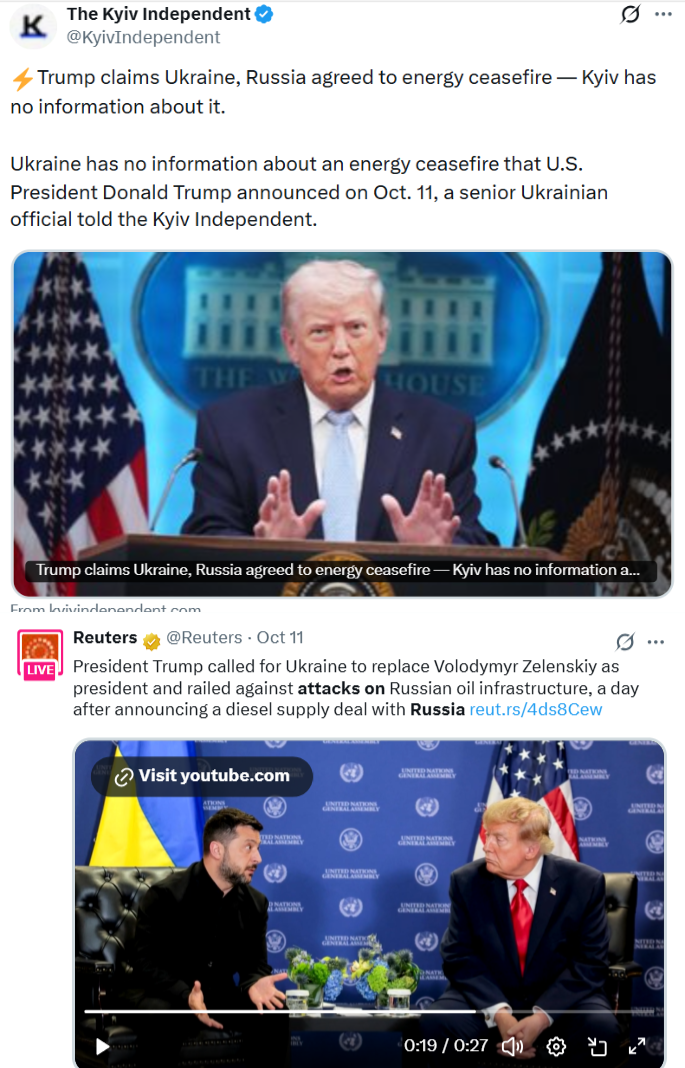
Recent disagreements over energy infrastructure, sanctions, and broader strategic objectives have highlighted differences between the positions of U.S. leadership and the Ukrainian government. Some observers believe the connectivity dispute reflects a broader geopolitical struggle rather than simply a technical issue.
The perception in Ukraine is particularly sensitive because communication systems, intelligence support, air-defense coordination, and financial assistance remain heavily linked to Western support networks.
Whether the current disruptions are political, operational, or technical, the controversy demonstrates how strategic technology can become intertwined with diplomatic leverage.
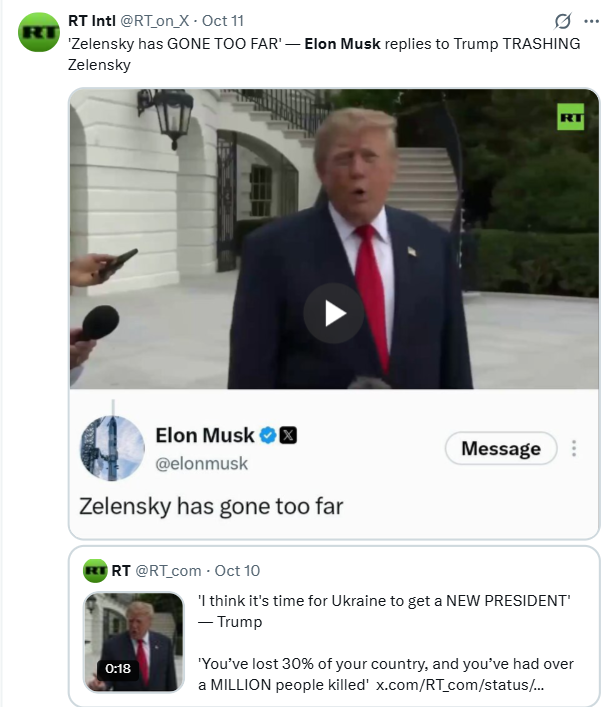
Recent reports suggest growing friction between Washington and Kyiv, with disagreements emerging over proposed energy ceasefire arrangements and Ukraine's continued strikes on Russian energy infrastructure.

Why India Is Watching This Situation Closely
The Ukraine episode may hold important lessons for India.
Recently, Elon Musk publicly criticized India's approach toward Starlink's entry into the country, suggesting regulatory barriers were delaying expansion.
However, Indian authorities have consistently maintained that licensing, security assessments, and regulatory compliance are essential before granting large-scale access to strategic communication services.
The developments in Ukraine have strengthened arguments that governments should carefully assess:
1. Who controls the network?
2. Who controls access permissions?
3. Who can restrict or suspend services?
4. What happens during emergencies?
5. How secure is the data flow?
These questions become even more important when satellite networks have the potential to support critical infrastructure and national security requirements.
🚨 Indian Telecom Giants Fire Back at Musk
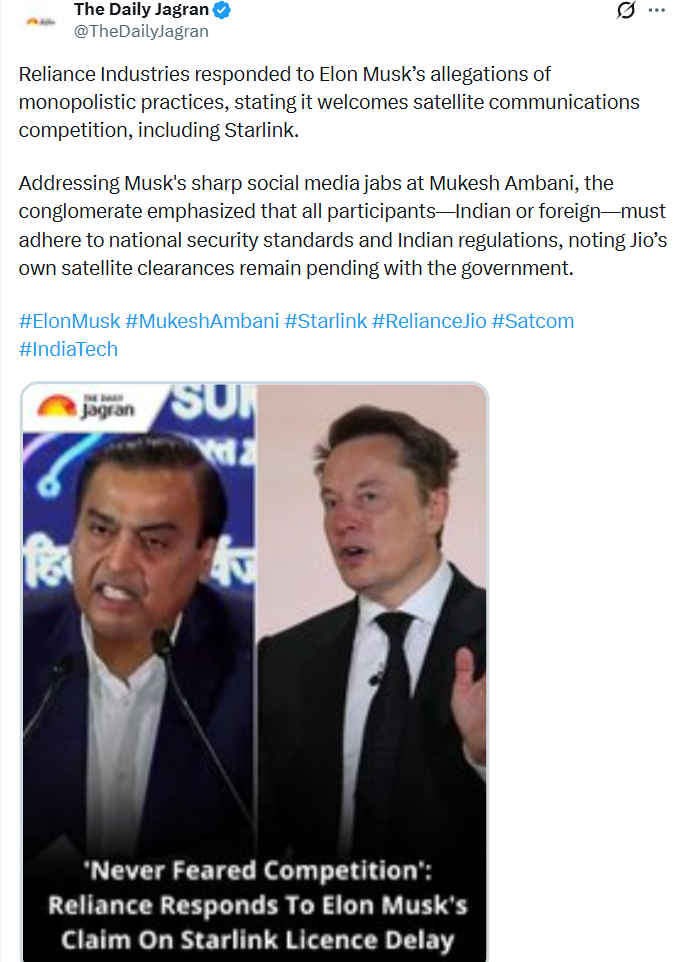
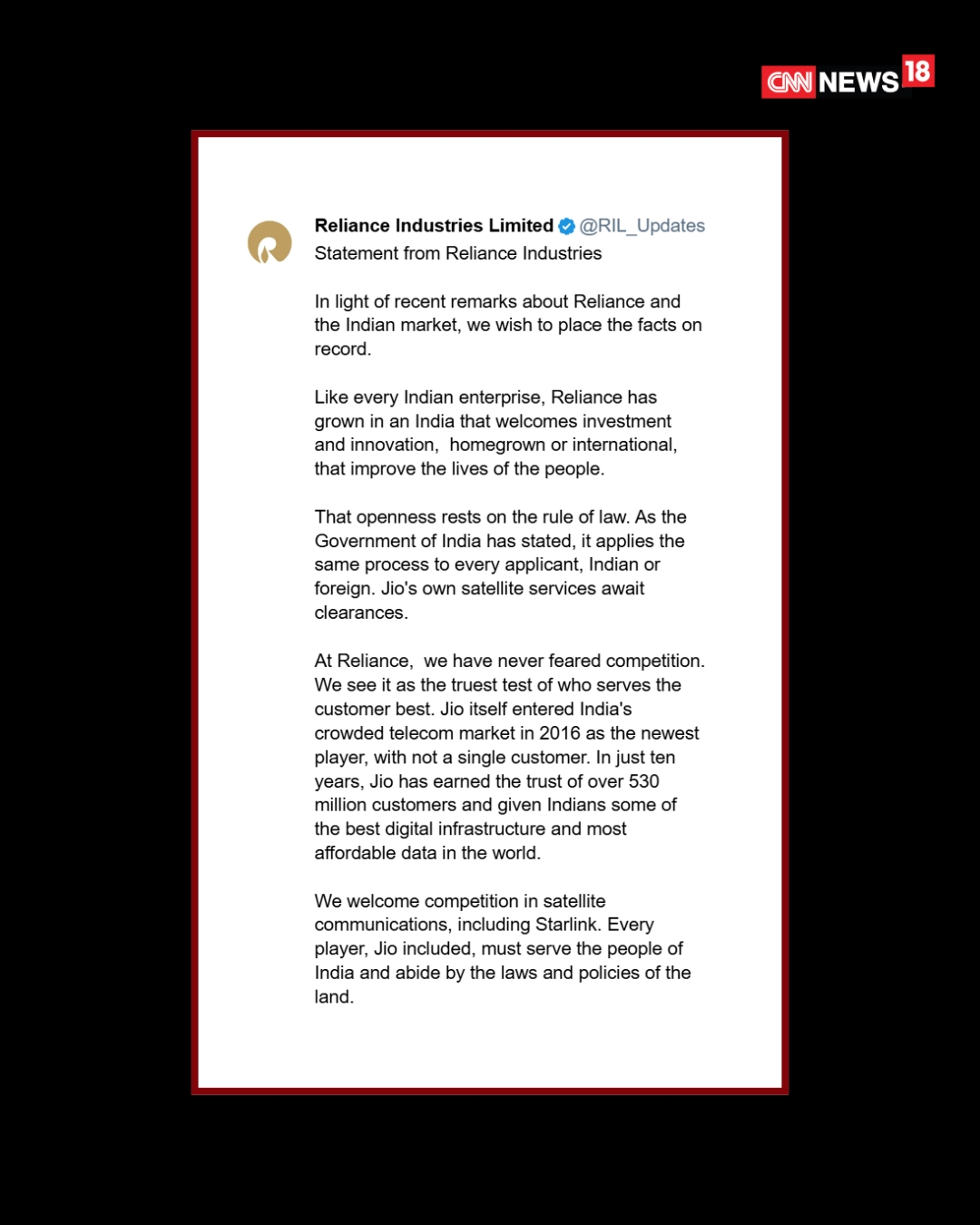
Elon Musk's criticism of India's Starlink approval process has drawn sharp responses from local telecom heavyweights. Reliance Industries rejected suggestions that it fears competition, declaring that it has "never feared competition" and welcomes innovation within India's regulatory framework.
Meanwhile, Bharti Airtel Chairman Sunil Mittal took a subtle swipe at Starlink, noting that OneWeb applied for approvals years earlier and is still navigating the same regulatory process. The message from India's telecom giants is clear: Starlink is not being singled out, and every player must follow the same rules.

As questions emerge globally over who controls satellite communications during crises, Indian telecom players are increasingly portraying their domestic networks and satellite ambitions as more reliable, accountable, and aligned with India's strategic interests. For policymakers, the controversy may further strengthen the argument that critical communication infrastructure cannot depend solely on foreign-controlled platforms.
What began as Musk's remarks about India's telecom landscape has now prompted India's biggest telecom rivals to publicly defend the country's regulatory system while subtly questioning Starlink's claims of unfair treatment.
📡 The Bigger Lesson: Technology Is the New Geopolitical Battlefield
The Ukraine-Starlink controversy highlights a dramatic shift in global power dynamics. Historically, communication infrastructure was largely controlled by national governments and state-owned agencies.
Today, private technology companies operate systems that can influence military operations, economic activity, and international diplomacy.
This creates a new reality: “A satellite network is no longer just a communication tool. It can become a strategic asset.”
Nations increasingly recognize that dependence on foreign-controlled technologies may create vulnerabilities during times of crisis, conflict, or diplomatic disputes.
🔥 What This Means for the Future of Warfare
The controversy reveals three critical realities about modern warfare:
1. Connectivity Is a Weapon
Reliable communications are now as important as missiles, tanks, and aircraft.
2. Technological Sovereignty Matters
Countries are increasingly prioritizing indigenous communication and satellite systems to reduce external dependence. Advanced technology is only effective when communication networks remain operational. That's why transparent rules over access and restrictions are critical.
3. Space Has Become a Military Domain
Control over satellite networks is rapidly becoming a decisive factor in national security planning. The battlefield of the future may be fought as much in orbit as it is on land, sea, or air.
🚨 Final Takeaway
The Starlink-Ukraine controversy is about far more than internet access. It is a powerful reminder that in the 21st century, control over connectivity can translate into geopolitical influence.
As Ukraine grapples with the risks of relying on foreign technology during wartime, countries like India are likely to examine satellite internet providers with even greater scrutiny.
Whether this dispute proves temporary or becomes a defining moment in the evolution of modern warfare, one message is clear: “In today's world, whoever controls communication networks may also shape the outcomes of conflicts, diplomacy, and national security.”
🔎 Want to Dive Deeper Into the Musk vs India Debate?
The Starlink controversy is only one chapter in a much larger story. From Elon Musk's clashes with Indian telecom giants to regulatory battles, satellite internet competition, and national security concerns, the struggle over India's digital future is far from over.
Should countries rely on foreign-owned satellite networks for critical communications and defense needs, or should they invest heavily in indigenous alternatives?
💬 Share your views in the comments below.
Stay tuned as we explore the growing tensions between Musk, India's corporate heavyweights, and policymakers. Dive into our latest blog for insights:
📌 Elon Musk and Rahul Gandhi Target Ambani-Adani as Starlink Delay Sparks Monopoly Allegations, Security Fears, and a Battle for India’s Digital Future: https://mangalbhavana.com/article/elon-musk-starlink-india-delay-rahul-gandhi-ambani-security-debate
📌 Elon Musk vs India’s Telecom Giants? Starlink Delay Sparks Monopoly Row, Security Debate, and a Battle for India’s Digital Future: https://mangalbhavana.com/article/elon-musk-starlink-india-launch-delay-jio-airtel-security-debate
Written by
Niranjan MehtaDiscussion (0)
Sign in to join the discussion.
Loading comments…