
Government’s Big Move
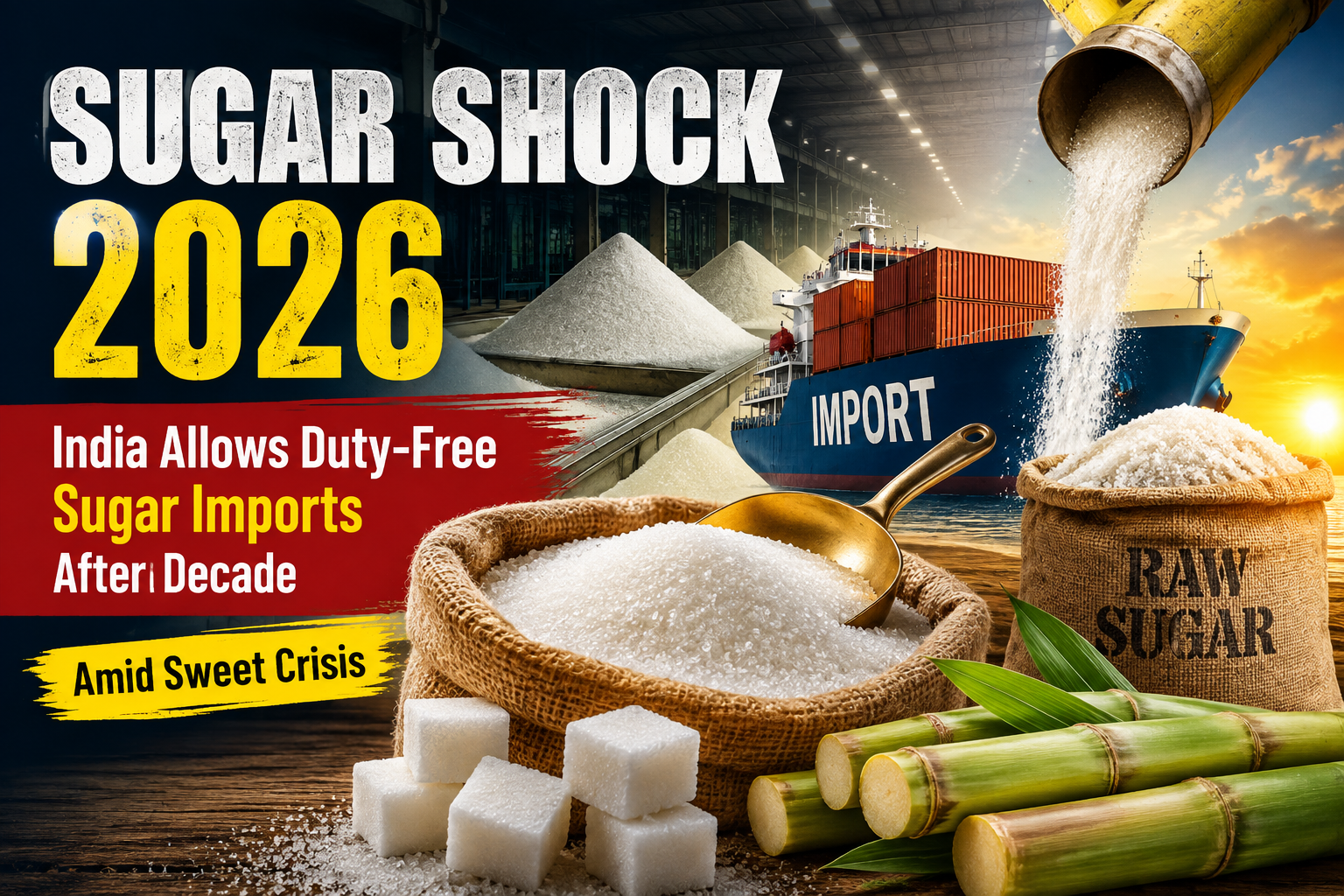
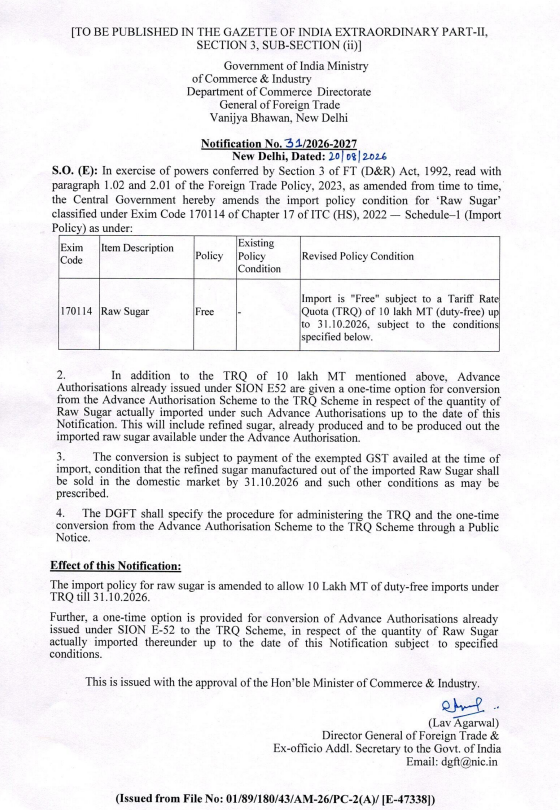
The Indian government has amended its import policy, allowing 1 million metric tons of raw sugar duty‑free under a tariff rate quota until October 31. Normally, sugar imports attract a 100% duty, making them unviable compared to domestic prices. This extraordinary step is intended to cool prices and secure supply during the festive season.
Why Prices Are Spiralling
Ex‑mill sugar prices jumped from ₹3,900 per quintal last year to ₹5,500 now.
Retail sugar prices climbed from ₹46/kg to over ₹52/kg.
In just two months, prices surged 40%, driven by lower domestic availability.
With festivals like Raksha Bandhan, Janmashtami, Ganesh Chaturthi, Dussehra, and Diwali ahead, demand is set to spike further.
The Supply Crunch Explained
India is the world’s second‑largest sugar producer, yet faces shortages due to:
Lower domestic production this season.
Diversion of sugarcane to ethanol production, part of India’s green fuel push.
Seasonal demand pressures during August–November.
Why Raw Sugar, Not Refined?
The government chose raw sugar imports because India’s port‑based refineries can process it into refined sugar quickly. This ensures:
Immediate release of refinery stock (around 3 lakh tons).
Stabilization of prices by boosting availability.
Controlled imports under the tariff rate quota to prevent oversupply.
Tariff Rate Quota: Controlled Imports, Not Free-for-All
A Tariff Rate Quota (TRQ) allows a fixed quantity of imports at zero or lower duty, while anything beyond that faces the full tariff. In India’s case, the government has capped duty‑free sugar imports at 10 lakh tonnes until October 31. This isn’t blanket liberalization, it’s a limited, carefully managed opening designed to boost supply without flooding the market.
Stock Restrictions on Big Consumers
To prevent hoarding, bulk consumers like beverage and confectionery companies can now hold only 15 days’ worth of sugar stock. This measure ensures more sugar flows into the open market, keeping prices in check.
Global Ripple Effect
India’s announcement instantly impacted global markets:
Sugar futures in London and New York rose 4%.
Brazil, the world’s largest exporter (24% of global production), is expected to be India’s primary supplier.
India’s decision highlights how domestic policy can shake global commodity prices.
Precaution, Not Panic: India’s Duty‑Free Sugar Move
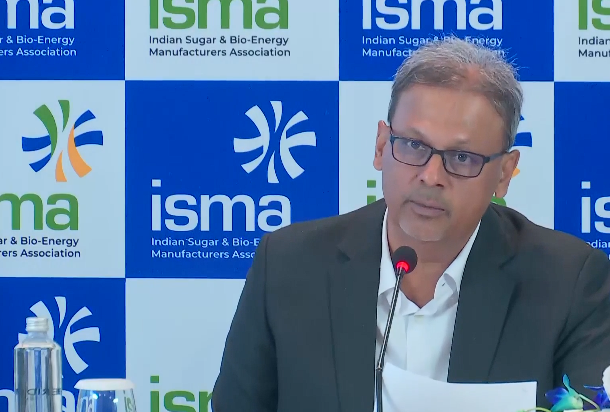
Indian Sugar Mills Association (ISMA) President Niraj Shirgaokar emphasizes that India already had 3.5 months of sugar stock as of August 1, so there’s no immediate shortage. The government’s decision to permit 10 lakh tons of duty‑free raw sugar imports is a proactive safeguard ahead of the festive season, not a corrective measure. By boosting stock levels by nearly 25–29%, the move helps stabilize market sentiment, curb speculative price spikes, and ensure competitive supply options, keeping confidence intact without signaling a shortfall.
Delhi Vows to Shield Citizens from Price Shocks

Delhi Minister Manjinder Singh Sirsa said the government has held a special meeting on rising onion and sugar prices. The plan: coordinate with the Centre and NAFED, fix procurement rates around ₹30–₹35, and absorb all transport costs. The clear message: not a single extra rupee will be passed on to the people of Delhi, and hoarding will be strictly curbed.
Speculation, Not Shortage Driving Sugar Prices
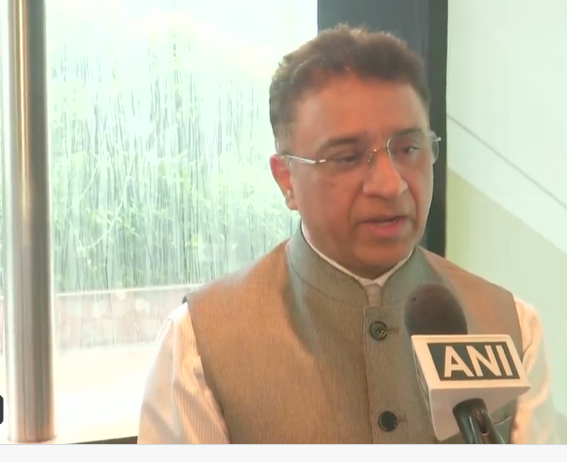
Deepak Ballani, Director General of ISMA, explains that the recent spike in sugar prices over the past 15–20 days is fueled by panic and speculative buying, not by any actual shortage. Physical sugar availability remains steady; what’s rising is market sentiment, not supply constraints.
UP’s Sugar Surplus: Enough for Six Months
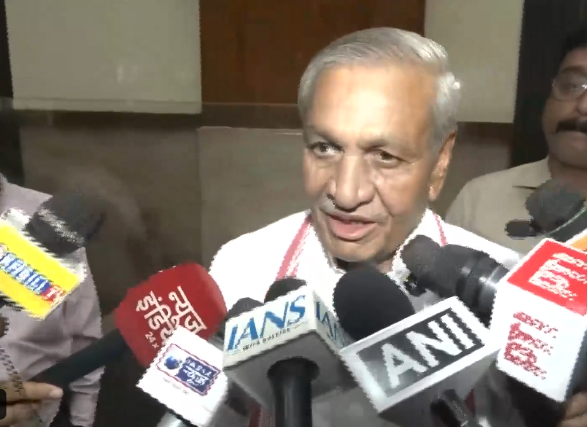
Minister Chaudhary Laxmi Narayan Singh highlighted that Uttar Pradesh holds 180 lakh metric tonnes of sugar, a stockpile strong enough to supply the entire country for half a year. Distribution depends on quotas released by the Central Government, ensuring controlled release when required.
India’s Sugar Balance Sheet: No Real Shortfall
This season, India produced 31 million tonnes of sugar, with about 3 million tonnes diverted to ethanol, leaving 28 million tonnes net. Add opening stocks of 5.3 million tonnes, and total availability stands at 33 million tonnes against consumption of 28.5 million tonnes. Even after meeting demand, closing stocks will remain above 4 million tonnes, enough to cover two months of national consumption, sitting safely in godowns.
Opposition’s Punchline: From Ethanol Dreams to Sugar Nightmares
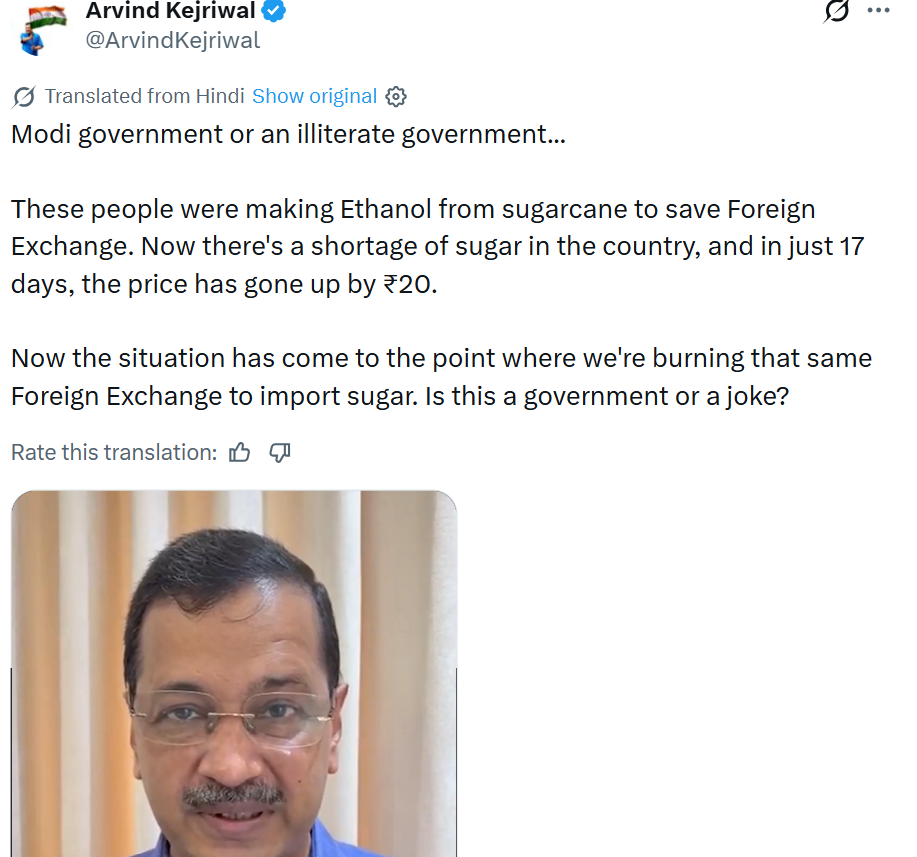
The opposition argues that the government’s policy flip‑flop has backfired, diverting sugarcane to ethanol to save foreign exchange, only to burn that same forex on sugar imports. In just 17 days, prices shot up by ₹20, exposing what they call a policy blunder turned public burden. Their message: “This isn’t governance; it’s mismanagement dressed as reform.”
The Political Balancing Act
Sugar is a politically sensitive commodity. The government must balance:
Consumers demanding affordable sugar.
Farmers seeking higher cane prices.
Sugar mills needing profitability to pay farmers. This balancing act makes sugar policy one of the toughest economic decisions.
India’s sugar story is more than just sweets; it’s about economics, energy, and global trade. As the festive season approaches, will duty‑free imports be enough to stabilize prices?
👉 Share your thoughts: Should ethanol production take priority over sugar availability?
Read More on Ethanol & Energy
India’s sugar story is tied closely to its ethanol blending push. For a deeper look into how green fuel policies impact sugar supply and prices, explore our earlier blogs.
👉 Check out the full series here: https://mangalbhavana.com/article/rice-diversion-scandal-madhya-pradesh
https://mangalbhavana.com/article/historic-verdict-e20-fuel-dispute-grand-vitara-case
Written by
Vedant BhardwajDiscussion (0)
Sign in to join the discussion.
Loading comments…