
Is Bangladesh Really Angry at India, or Is There More to the Story?
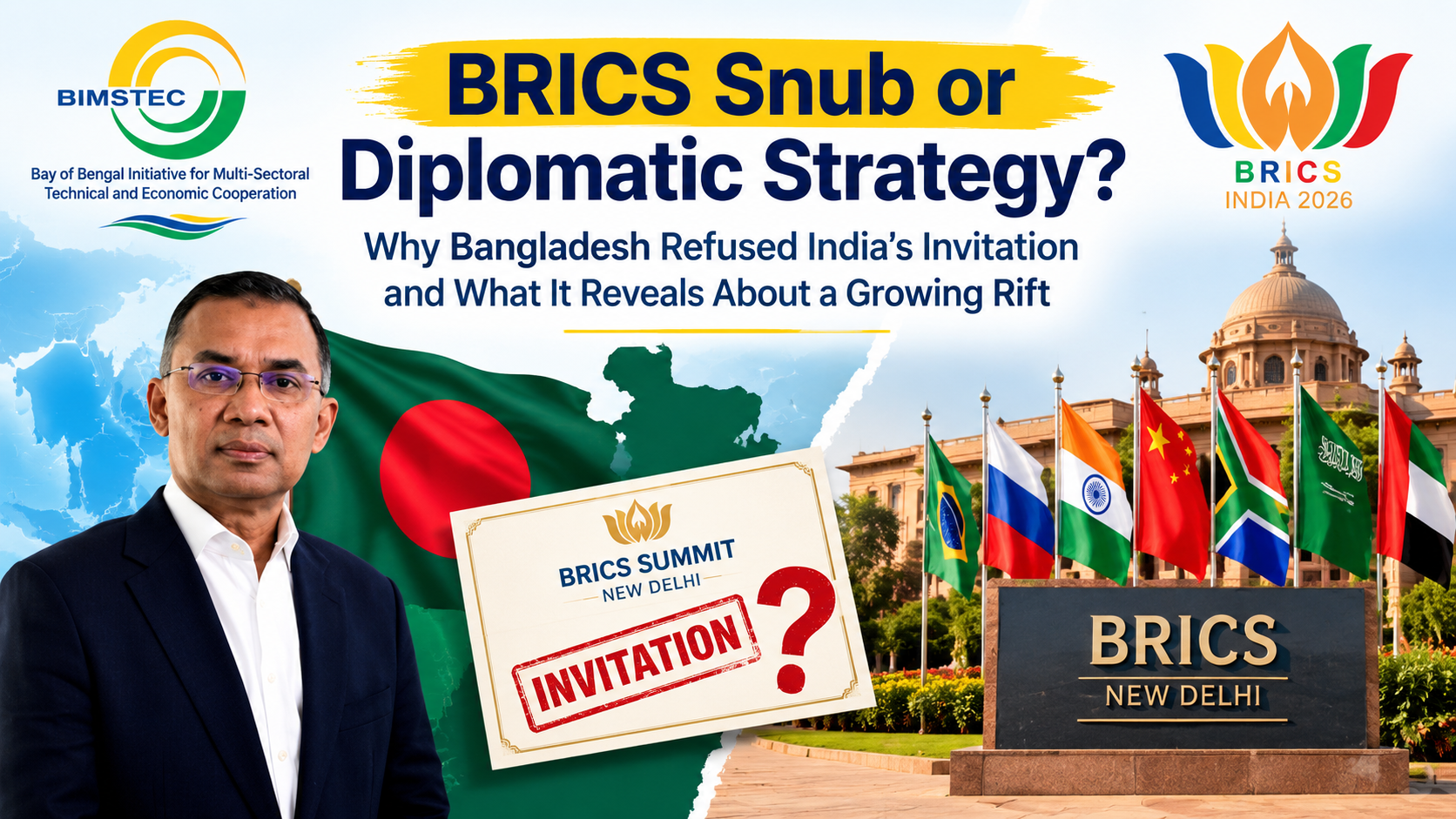
A fresh diplomatic controversy is making headlines across South Asia. Reports claiming that India did not invite Bangladesh Prime Minister Tarique Rahman to the upcoming BRICS Summit in New Delhi have sparked debate, speculation, and accusations of diplomatic disrespect.
But did India actually snub Bangladesh?
The reality is far more complex and reveals a deeper story of regional politics, national pride, and shifting geopolitical equations between New Delhi and Dhaka.
The Invitation Controversy Explained
As the current BRICS Chair, India is hosting the 18th BRICS Summit at Bharat Mandapam in New Delhi on September 12-13, 2026, where global leaders are meeting to discuss economic cooperation, trade, and emerging geopolitical challenges.
Since Bangladesh is not a member of BRICS, Prime Minister Tarique Rahman was not automatically entitled to receive an invitation as a BRICS leader.
However, India did extend an invitation. The invitation was reportedly sent to Bangladesh in its capacity as the current Chair of BIMSTEC (Bay of Bengal Initiative for Multi-Sectoral Technical and Economic Cooperation), a regional grouping connecting South and Southeast Asia.
India also viewed the summit as an opportunity to strengthen bilateral ties with Bangladesh under the newly elected government led by Tarique Rahman.
So why is Dhaka upset?
Bangladesh's Real Objection: Status and Recognition
The heart of the disagreement lies not in whether Bangladesh was invited, but how it was invited.
Bangladesh's leadership appears to believe that the invitation should have carried a special diplomatic status rather than being linked solely to its role as BIMSTEC Chair. In simple terms, Dhaka feels that Bangladesh deserved recognition in its own right rather than being present only because it currently heads a regional organization.
This has led Bangladeshi officials to argue that Prime Minister Tarique Rahman was not invited as a BRICS leader or special guest, but merely as a representative of BIMSTEC. For Bangladesh, this has become a matter of diplomatic dignity and national prestige.
Why BRICS Matters So Much
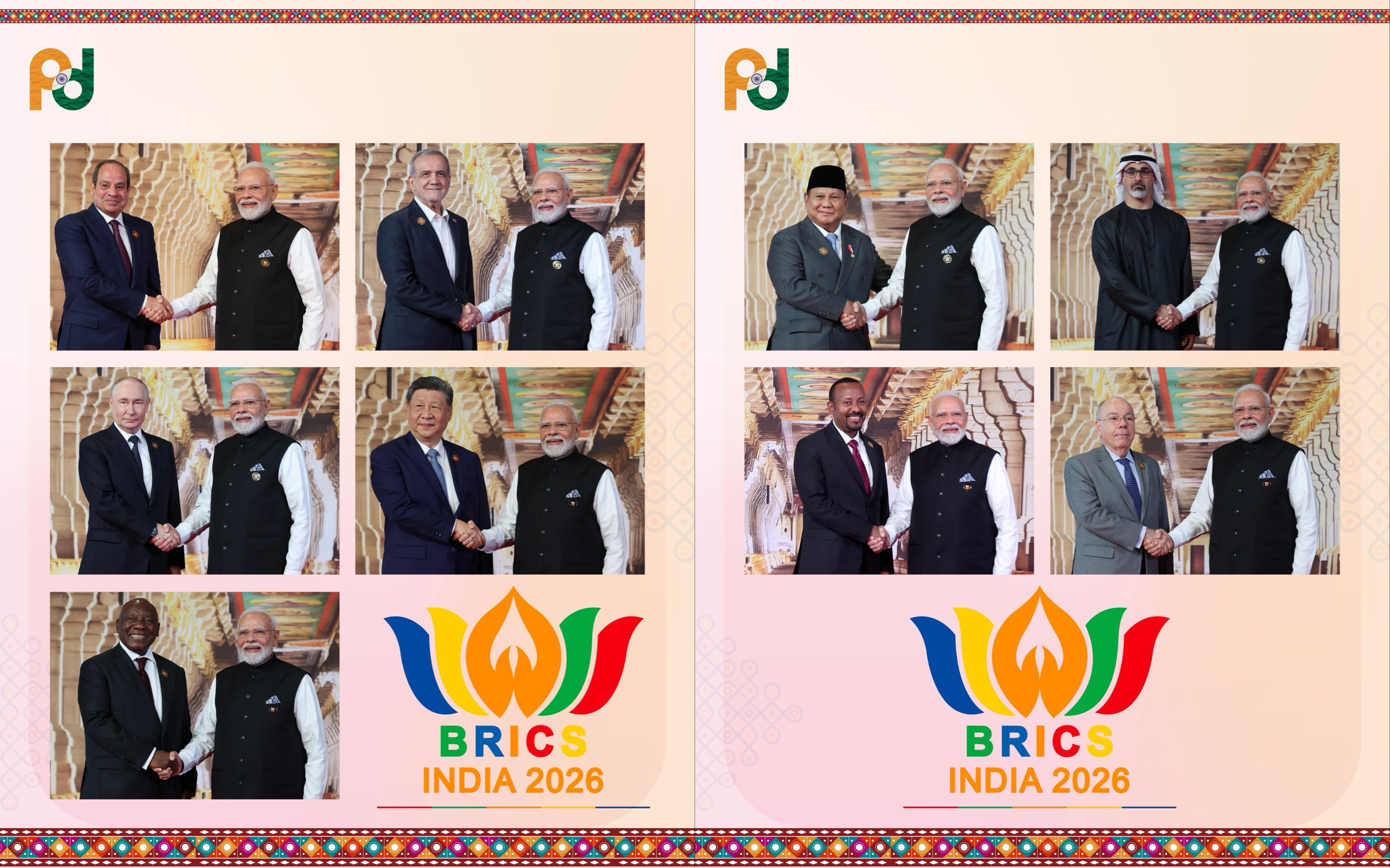
The significance of BRICS has grown dramatically in recent years. Originally consisting of Brazil, Russia, India, China, and South Africa, the bloc has expanded to include several new members such as Saudi Arabia, UAE, Iran, Egypt, Ethiopia, and Indonesia.
Today, BRICS represents:
1. Nearly half of the world's population
2. Around 40% of global GDP
3. A significant share of international trade
As BRICS gains global influence, participation in its meetings has become increasingly valuable for countries seeking diplomatic visibility and economic partnerships.
That is precisely why Bangladesh's absence from the summit is attracting so much attention.
The Role of BIMSTEC: The Hidden Diplomatic Bridge
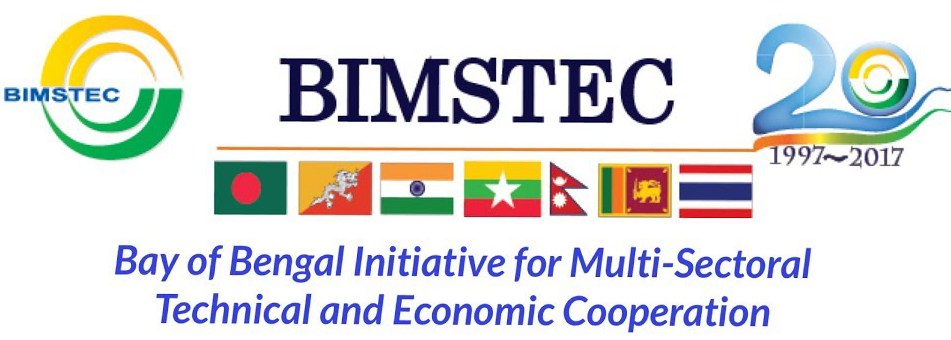
BIMSTEC often receives less media coverage than organizations like BRICS or G20, but it plays a critical role in regional cooperation.
The group includes:
1. India
2. Bangladesh
3. Sri Lanka
4. Nepal
5. Bhutan
6. Myanmar
7. Thailand
BIMSTEC serves as a strategic bridge between South Asia and Southeast Asia, with India positioned at its center. India has long promoted stronger cooperation through BIMSTEC and even invited BIMSTEC leaders to BRICS outreach sessions in the past.
This time, however, New Delhi chose to invite only the current BIMSTEC Chair, Bangladesh. What India may have viewed as a diplomatic courtesy appears to have been interpreted in Dhaka as insufficient recognition.
The Sheikh Hasina Factor Continues to Haunt India-Bangladesh Relations
Behind the invitation dispute lies an even bigger issue. Former Bangladesh Prime Minister Sheikh Hasina remains one of the most sensitive topics in bilateral relations.
Following political upheaval in Bangladesh in August 2024, Hasina moved to India.👉 Is Bangladesh Ready for Hasina's Comeback? Since then, the Bangladeshi government has repeatedly demanded her extradition, while India has approached the matter cautiously.
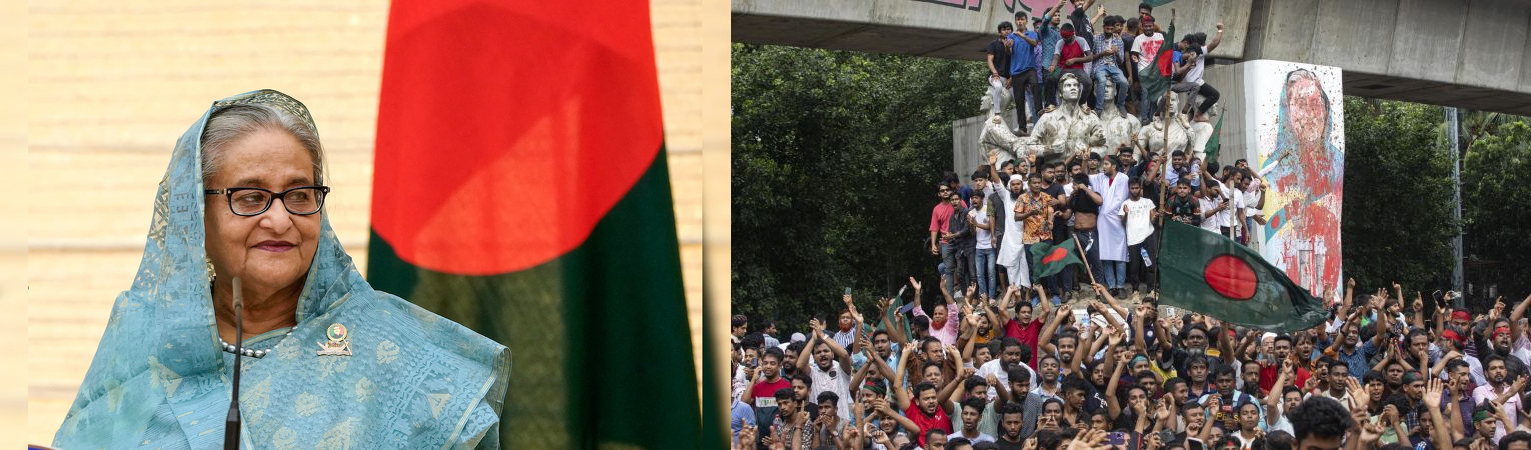
The issue has fueled political tensions and anti-India sentiment within sections of Bangladeshi society. From Dhaka's perspective, India has not been fully responsive to its concerns. From New Delhi's perspective, humanitarian, legal, and diplomatic considerations make the situation far more complicated.
As a result, trust between the two neighbours has suffered.
Is Bangladesh Sending a Political Message?
By refusing to participate, Bangladesh may be signaling multiple messages simultaneously.
1. A Message to India
Dhaka wants future engagement to be based on:
a) Sovereign equality
b) Mutual respect
c) Trust
d) Non-interference
Bangladeshi leaders appear determined to demonstrate that they will not automatically accept diplomatic arrangements set by New Delhi.
2. A Message to Domestic Voters
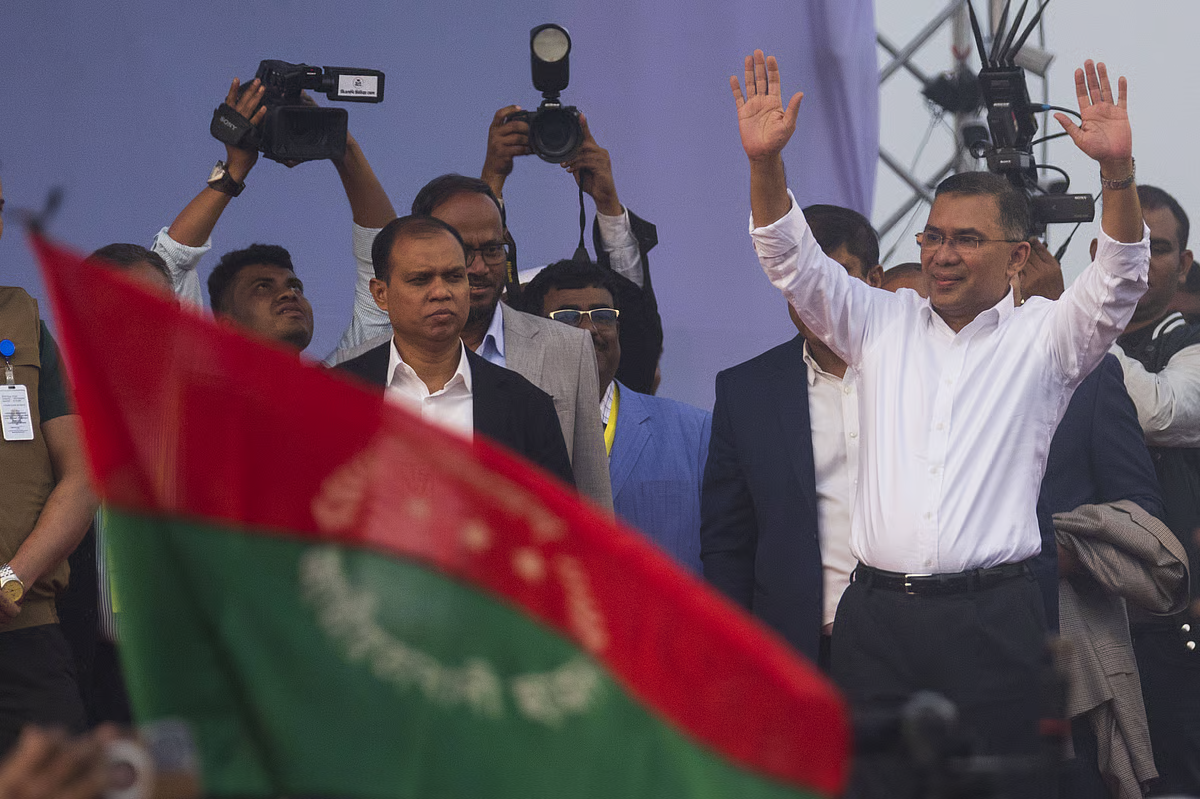
The current government faces growing nationalist and anti-India sentiments at home. Attending the summit under controversial circumstances could have been politically costly. Staying away helps the leadership project an image of independence and assertiveness.
3. A Message to the International Community
Bangladesh is increasingly positioning itself as a nation capable of balancing ties between multiple powers, including India and China, rather than aligning too closely with either side.
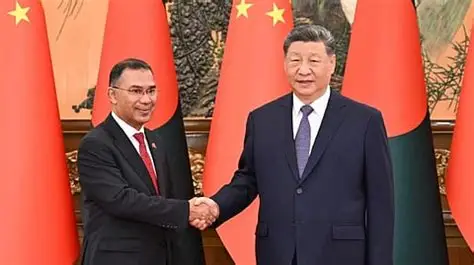
Why India Still Wants Strong Ties With Bangladesh
Despite the disagreement, India's decision to send an invitation carries an important message. Bangladesh shares India's longest international border and remains one of New Delhi's most important neighbours.
The relationship is vital for:
1. Border security
2. Northeastern India's connectivity
3. Bay of Bengal maritime security
4. Trade and infrastructure development
5. Regional stability
India clearly does not want the current tensions to evolve into a long-term diplomatic rupture. The invitation itself demonstrates New Delhi's willingness to keep communication channels open even during difficult times.
What Happens Next?
The refusal of Prime Minister Tarique Rahman to attend the BRICS Summit does not mean India-Bangladesh relations are collapsing.
However, it does highlight a growing trust deficit. The dispute is no longer just about an invitation. It is about perception, national dignity, political sensitivities, and the future direction of one of South Asia's most important bilateral relationships.
For now, Bangladesh has chosen to stay away. But both countries understand that geography, economics, and security make cooperation unavoidable.
The real question is whether New Delhi and Dhaka can rebuild mutual trust before temporary tensions turn into a long-term strategic challenge.
🚨 What Do You Think?
Was Bangladesh justified in refusing the invitation, or did it miss a valuable diplomatic opportunity?
💬 Share your views in the comments below.
📢 If you enjoyed this analysis, share it with fellow geopolitics enthusiasts.
🔔 Follow us for sharp insights on South Asian politics, diplomacy, BRICS, and emerging global power shifts by exploring our featured blogs:
🚨 Bangladesh Sets Conditions: Diplomatic Crossfire Over PM Tarique Rahman’s India Visit: https://mangalbhavana.com/article/bangladesh-conditions-pm-tarique-rahman-india-visit-sheikh-hasina-extradition
🚨 Exile to Return: Is Bangladesh Ready for Sheikh Hasina’s Comeback From India? Here’s What the Former PM Has Said: https://mangalbhavana.com/article/sheikh-hasina-return-bangladesh-india-political-gamble
Bangladesh Goes Dark: Worst Power Crisis Escalates as Nation Turns to India for Help: https://mangalbhavana.com/article/bangladesh-power-crisis-india-help
Written by
Niranjan MehtaDiscussion (0)
Sign in to join the discussion.
Loading comments…