
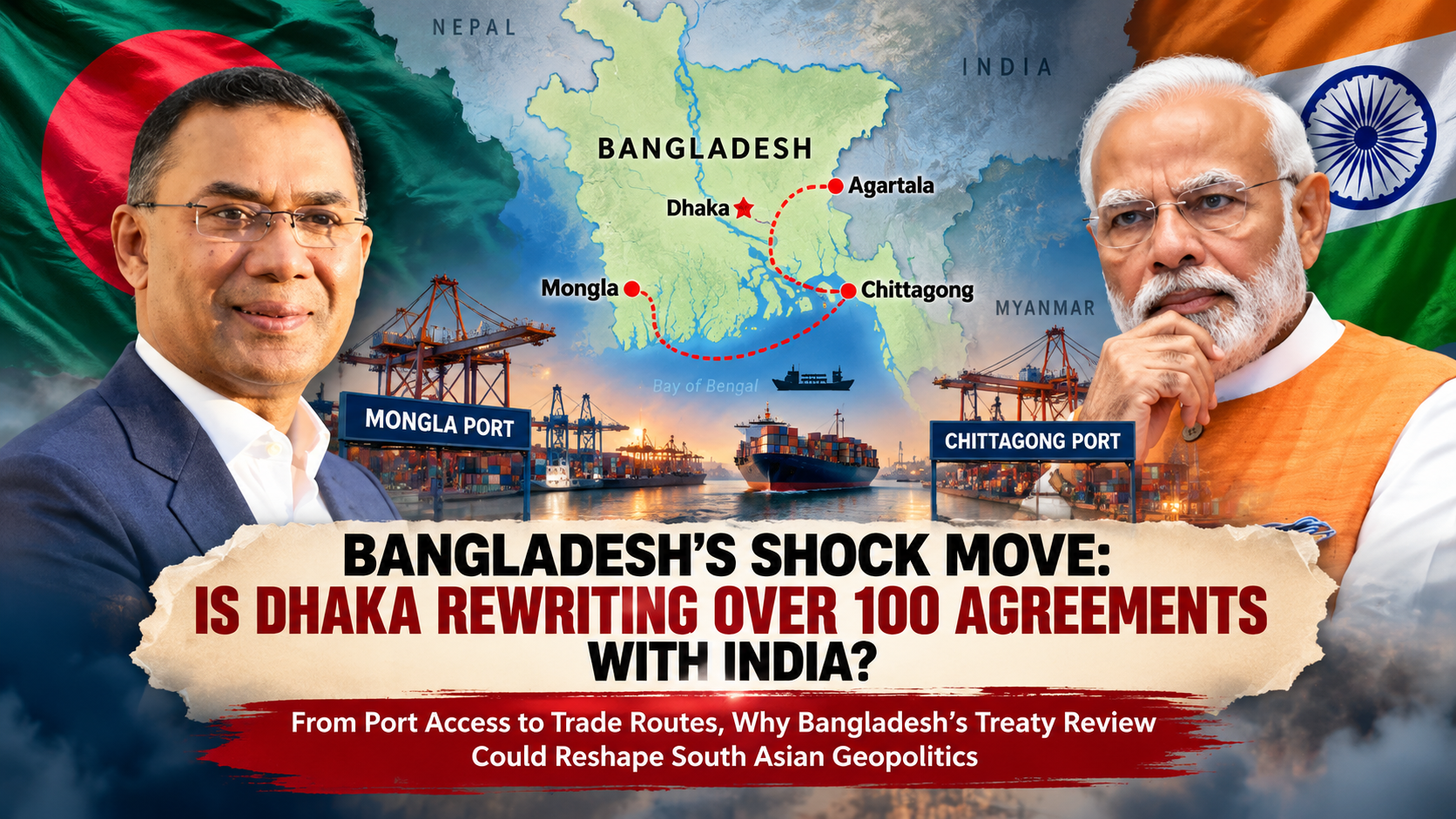
From Port Access to Trade Routes, Why Bangladesh’s Treaty Review Could Reshape South Asian Geopolitics
South Asia may be heading toward another diplomatic flashpoint. Bangladesh has signaled that it is reviewing more than 100 agreements and Memorandums of Understanding (MoUs) signed with India, raising questions about the future of bilateral ties, regional connectivity, and strategic cooperation.
The development comes amid growing political changes in Dhaka, renewed debates over national sovereignty, and recent disagreements surrounding international diplomatic engagements. But what exactly is Bangladesh reviewing, why now, and how could India be affected?
Let's break it down.
Why Is Bangladesh Reviewing Its Agreements with India?
The issue surfaced after senior leaders from Bangladesh's ruling political establishment indicated that the government is reassessing more than 100 agreements signed with India over the years.
According to Bangladeshi leaders, every agreement will be examined to determine whether it adequately serves Bangladesh's national interests. If certain arrangements are seen as unfavourable, they could potentially be revised, renegotiated, or even terminated.
The move reflects a broader political narrative emerging in Dhaka: placing national sovereignty and economic interests above longstanding diplomatic understandings.
Which Agreements Are Under Scrutiny?
The agreements being reviewed reportedly span several critical sectors, including:
1. Trade and commerce
2. Transportation and connectivity
3. Port access arrangements
4. Inland waterways cooperation
5. Energy partnerships
6. Infrastructure development
7. Regional transit mechanisms
These agreements form the backbone of India-Bangladesh cooperation and have played a significant role in deepening economic and strategic links between the two neighbours over the last decade.
The Chattogram and Mongla Ports Controversy
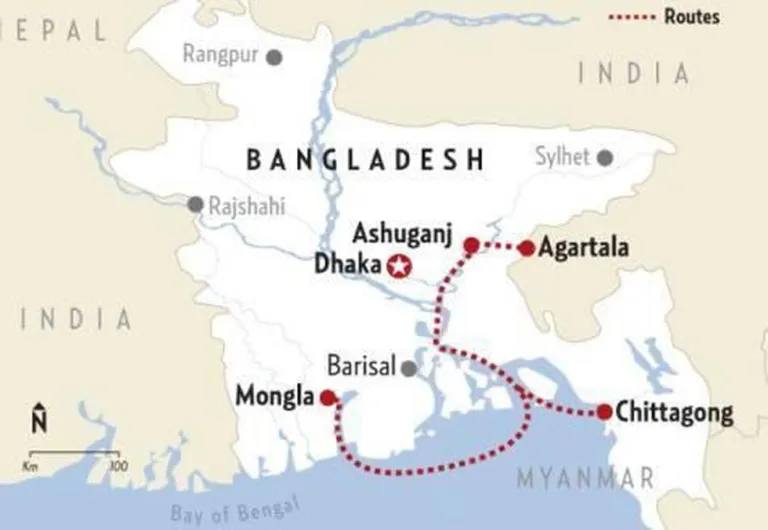
At the center of the debate are Bangladesh's two major ports:
1. Chattogram (Chittagong) Port
Located in southeastern Bangladesh, this is the country's largest and busiest seaport.
2. Mongla Port
Situated in southwestern Bangladesh, Mongla serves as another vital gateway for regional trade and logistics.
Under existing arrangements, India has been allowed to use these ports to transport goods, particularly to its northeastern states. This access is strategically important because it offers India an alternative route to connect with the Northeast, reducing dependence on the narrow Siliguri Corridor, often referred to as the "Chicken's Neck."
Why Are These Ports So Important for India?
India's northeastern region is connected to the mainland through the narrow Siliguri Corridor. Any disruption along this route can create logistical challenges.
Bangladesh's transit routes and ports provide:
✅ Faster transportation of goods
✅ Reduced logistics costs
✅ Improved connectivity with northeastern states
✅ Enhanced regional trade integration
For India, access to Chattogram and Mongla is not merely a commercial benefit. It is also a strategic asset.
Bangladesh's Main Complaint
Leaders in Bangladesh argue that several agreements signed during former Prime Minister Sheikh Hasina's tenure may have favoured India disproportionately.
One major criticism revolves around port operations and shipping access. Some political voices claim Indian vessels receive preferential treatment at Bangladeshi ports. Critics also argue that Bangladesh financed portions of port infrastructure through loans and therefore deserves a greater share of economic benefits.
As a result, the current leadership wants to revisit these arrangements and evaluate whether they truly serve Bangladesh's long-term interests.
A Shift Toward an Independent Foreign Policy?
The treaty review is also being seen as part of Bangladesh's wider foreign-policy recalibration. The new political leadership has repeatedly emphasized the need for a more diversified diplomatic approach.
Rather than depending heavily on any single partner, Bangladesh appears interested in expanding engagement with multiple countries, including:
1. China
2. Saudi Arabia
3. Pakistan
4. Other regional and global powers
This does not necessarily mean Dhaka is abandoning its partnership with India. Instead, it may be seeking greater strategic flexibility and bargaining power.
The Political Shadow of Sheikh Hasina
The ongoing review cannot be separated from Bangladesh's domestic political changes. In short, Sheikh Hasina's continued stay in India remains a major source of friction between New Delhi and Dhaka. Bangladesh's extradition demands and India's cautious response have deepened diplomatic mistrust, making the issue a key obstacle to improving bilateral relations. 👉 Will Sheikh Hasina Return to Bangladesh? Here's What She Said.
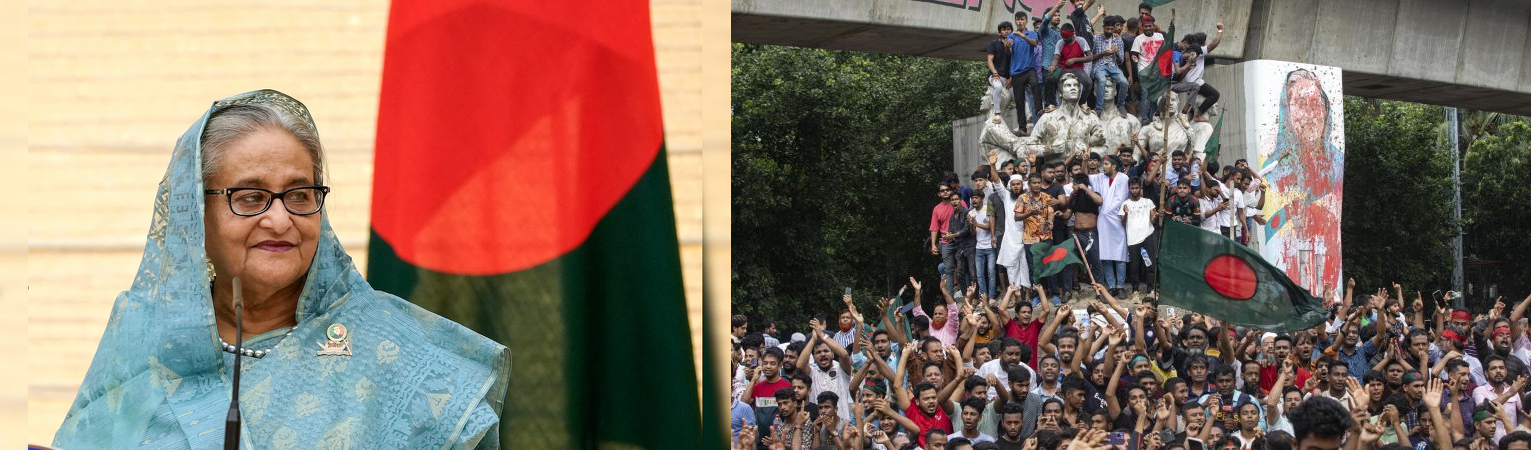
Much of the current criticism targets agreements reached during Sheikh Hasina's administration. Her government played a pivotal role in strengthening India-Bangladesh cooperation through:
1. Land Boundary Agreement implementation
2. Railway connectivity projects
3. Coastal shipping arrangements
4. Inland water transit agreements
5. Infrastructure and energy collaborations
As the political landscape changes, the new leadership is eager to distinguish itself from previous administrations and reassess legacy agreements.
The BRICS Summit Factor
Another layer of complexity emerged during discussions related to international diplomatic engagements.
Bangladesh reportedly expressed dissatisfaction with how invitations and protocols were handled regarding participation in major regional forums linked to the BRICS ecosystem and BIMSTEC representation. 👉Why Bangladesh Rejected India’s BRICS Invite
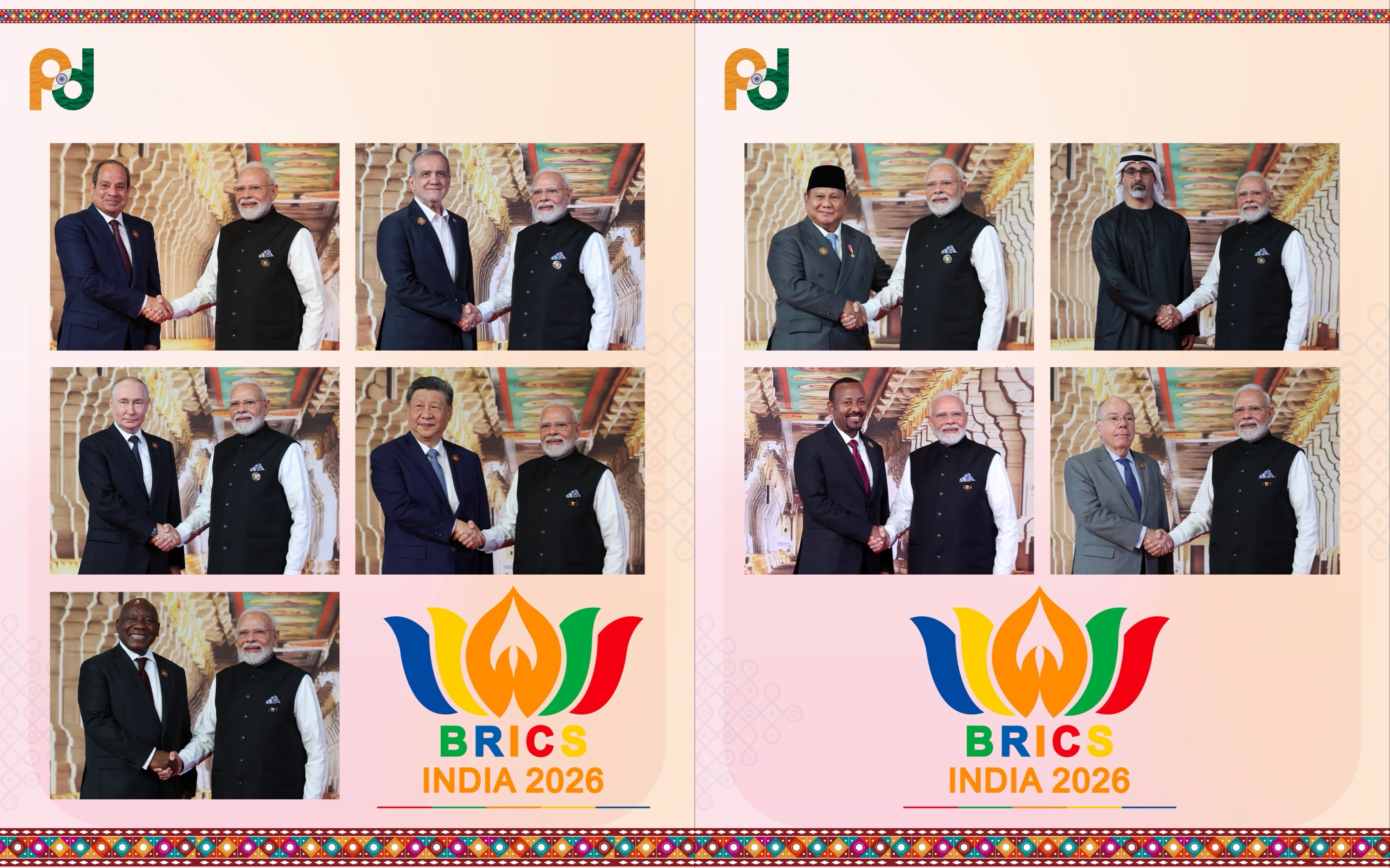
As host of the 18th BRICS Summit at Bharat Mandapam in New Delhi on September 12-13, 2026, India invited Bangladesh's Prime Minister Tarique Rahman to attend the event. However, since Bangladesh is not a BRICS member, the invitation was reportedly extended to Dhaka in its role as the current BIMSTEC Chair, rather than as a BRICS participant. While India viewed the move as an opportunity to strengthen ties with Bangladesh's new government, the nature of the invitation reportedly became a point of diplomatic discomfort, contributing to tensions between the two neighbours.
While not the sole reason for the treaty review, these diplomatic irritants have contributed to growing tensions and fueled debates about Bangladesh's position in regional politics.
What Does Bangladesh Stand to Gain?
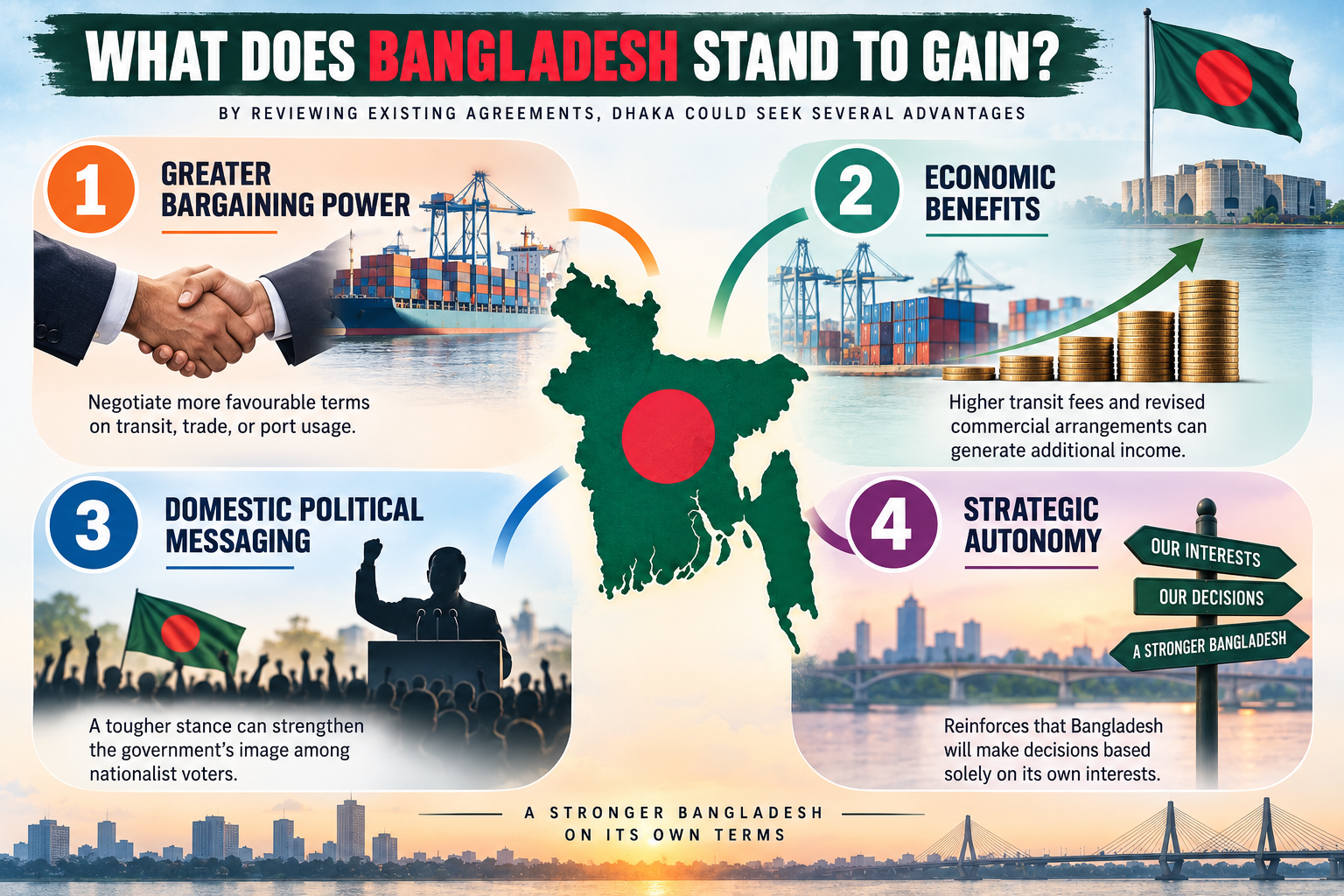
By reviewing existing agreements, Dhaka could seek several advantages:
1. Greater Bargaining Power
Bangladesh may use the review process to negotiate more favourable terms on transit, trade, or port usage.
2. Economic Benefits
Higher transit fees, revenue-sharing mechanisms, and revised commercial arrangements may provide additional income.
3. Domestic Political Messaging
Taking a tougher stance toward previous agreements can strengthen the government's image among nationalist voters.
4. Strategic Autonomy
The review supports the narrative that Bangladesh intends to make decisions based solely on its own interests.
What Risks Could India Face?
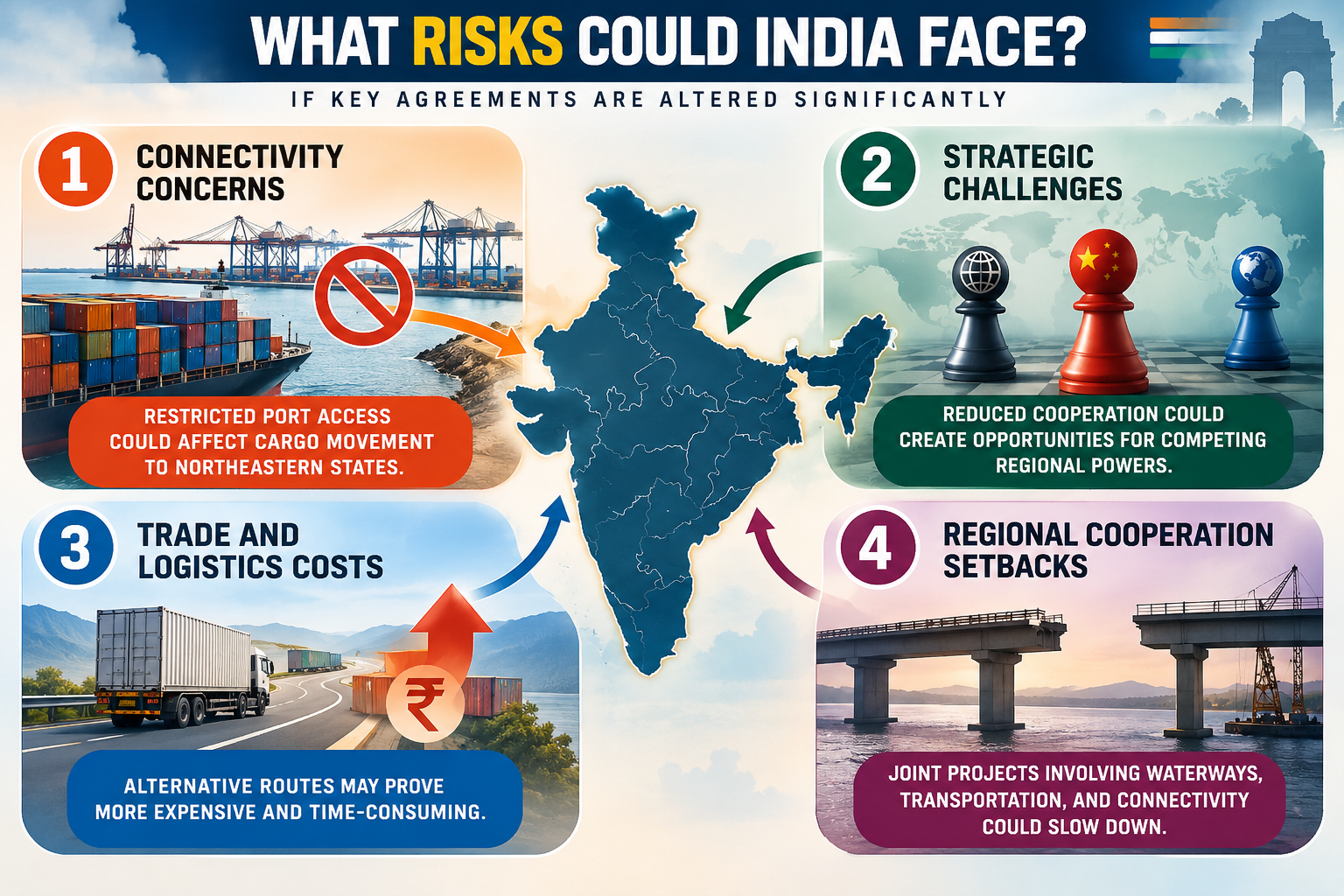
If key agreements are altered significantly, India could face several challenges:
1. Connectivity Concerns
Restrictions on port access could affect cargo movement to northeastern states.
2. Strategic Challenges
Reduced cooperation could create opportunities for competing regional powers to increase their influence.
3. Trade and Logistics Costs
Alternative routes may prove more expensive and time-consuming.
4. Regional Cooperation Setbacks
Joint projects involving waterways, transportation, and connectivity could slow down.
But Bangladesh Also Depends on India
While the review may create pressure on India, the relationship is far from one-sided. India remains a major partner for Bangladesh in several crucial areas:
1. Electricity supply
2. Trade and commerce
3. Infrastructure financing
4. Connectivity projects
5. Regional security cooperation
Over the years, India has extended significant lines of credit and supported multiple infrastructure initiatives involving roads, railways, and transport networks.
This mutual dependence suggests that both countries have strong incentives to avoid a complete breakdown in relations.
The Road Ahead
Bangladesh's review of more than 100 agreements with India is less about immediate confrontation and more about renegotiating leverage in a changing political environment.
Whether these agreements are ultimately revised, modified, or retained remains uncertain. However, the message from Dhaka is clear: future cooperation must align with Bangladesh's evolving national priorities.
For India, the challenge will be balancing strategic interests with diplomatic engagement while preserving one of its most important regional partnerships.
The coming months could determine whether this treaty review becomes a routine diplomatic exercise or the beginning of a significant reset in India-Bangladesh relations.
Stay Ahead of South Asia's Fast-Changing Geopolitics
Geopolitical shifts rarely happen overnight, but their impact can reshape entire regions. Follow us for in-depth analysis, strategic insights, and breaking developments on India, Bangladesh, China, BRICS, and South Asian diplomacy.
Bookmark this blog, share your views in the comments, and stay informed on the stories shaping Asia's future by exploring our featured blogs:
BRICS Snub or Diplomatic Strategy? Why Bangladesh Refused India’s Invitation and What It Reveals About a Growing Rift: https://mangalbhavana.com/article/brics-snub-or-diplomatic-strategy-bangladesh-india-relations
🚨 Bangladesh Sets Conditions: Diplomatic Crossfire Over PM Tarique Rahman’s India Visit: https://mangalbhavana.com/article/bangladesh-conditions-pm-tarique-rahman-india-visit-sheikh-hasina-extradition
🚨 Exile to Return: Is Bangladesh Ready for Sheikh Hasina’s Comeback From India? Here’s What the Former PM Has Said: https://mangalbhavana.com/article/sheikh-hasina-return-bangladesh-india-political-gamble
Bangladesh Goes Dark: Worst Power Crisis Escalates as Nation Turns to India for Help: https://mangalbhavana.com/article/bangladesh-power-crisis-india-help
Written by
Vedant BhardwajDiscussion (0)
Sign in to join the discussion.
Loading comments…